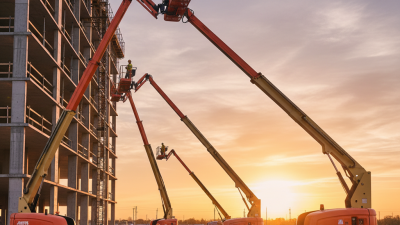
What Is the Top Articulating Boom Lift Rental?
Choosing the top articulating boom lift rental depends on more than platform height or a polished product photograph. On active construction sites, operators need dependable reach, smooth controls, and stable movement around obstacles. A machine may look impressive on paper, yet perform poorly on uneven ground or in tight work areas. That difference matters.
This guide examines rental choices through practical jobsite experience and verified equipment details. It considers working height, horizontal outreach, platform capacity, turning radius, drive speed, and power source. Electric models can suit indoor projects with low emissions and quiet operation. Diesel units may handle rough outdoor terrain more confidently. However, specifications can vary between manufacturers and model years. Check them carefully.
A reliable rental provider should explain inspection routines, maintenance records, delivery limits, and operator requirements. Look for fresh tires, responsive emergency controls, clean hydraulic connections, and a platform gate that closes securely. Ask how the lift behaved during recent use. That answer can reveal more than advertising language.
The best choice is not always the largest lift. Oversized equipment can damage finished surfaces, restrict access, or increase rental costs. Measure the work zone first. Mark overhead hazards. Confirm ground conditions and required reach before reserving an articulating boom lift rental. A site supervisor’s notes, photographs, and equipment checklist can prevent expensive surprises.
No machine is perfect. Even experienced teams can overlook clearance or battery limits. Recheck the plan. Safe operation, documented inspections, and honest communication should guide the final decision. This approach makes the search more practical, credible, and suited to the actual job.
What Defines a Top Articulating Boom Lift Rental: 30–185 ft Working Heights
What Is the Top Articulating Boom Lift Rental?
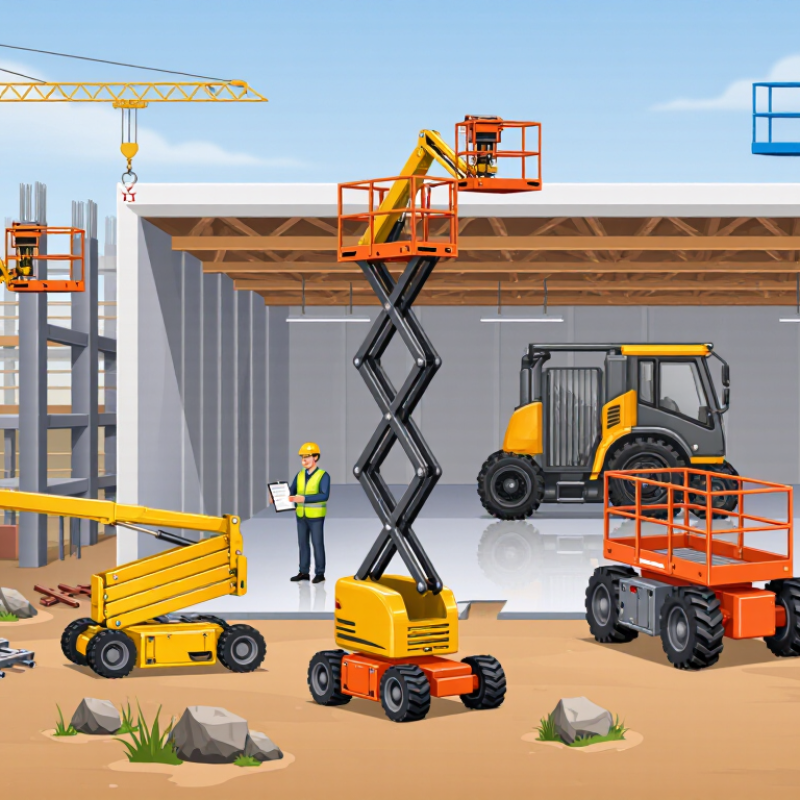
What Defines a Top Articulating Boom Lift Rental: 30–185 ft Working Heights
A top articulating boom lift rental matches the worksite, not just the requested height. Working heights from 30 to 185 feet support tasks ranging from indoor maintenance to large exterior construction. The correct machine must also provide enough horizontal reach, platform capacity, and safe positioning around obstacles. A 100-foot lift may reach the roof, yet fail to reach the work area from stable ground. Height is not the whole answer. Experienced rental planning considers the building layout, ground conditions, access width, and expected weather.
Tips: Measure the highest work point and the required side reach. Check doorway sizes, surface strength, slope limits, and platform load before delivery. Ask for recent inspection records, operating instructions, and emergency-lowering procedures. These details often prevent expensive delays.
Articulating boom lifts work well where branches, steel frames, or building edges block a straight approach. Electric units can suit clean indoor environments, while rough-terrain models handle uneven outdoor surfaces more effectively. However, the largest lift is not always the best rental. A wider chassis may restrict access, and extra height can increase setup demands. A common planning mistake is choosing by maximum reach alone. Recheck the basket load, outreach at full height, and clearance above the platform. Small measurement errors can become serious onsite problems.
How Articulating Boom Lift Capacity Varies from 500 to 1,000 lb
What Is the Top Articulating Boom Lift Rental?
Articulating boom lift capacity commonly ranges from 500 to 1,000 pounds. That range includes the operator, tools, and materials. A 500-pound rating may suit one worker with a light tool bag. A 1,000-pound model offers more flexibility for two workers and heavier installation materials. However, platform capacity often changes when the boom is fully extended. Check the load chart, not only the headline specification.
According to ANSI/SAIA A92 series requirements, operators must follow the machine’s rated capacity, platform limits, and stability instructions. Rental inspection records should also confirm recent maintenance and functional testing. The 2024 IPAF Global Safety Report recorded 118 powered access fatalities worldwide in 2023. Overloading was not the only hazard, but poor planning can quickly increase risk. Small details matter.
The American Rental Association’s 2024 forecast placed total United States equipment rental revenue near 78.7 billion dollars. This growth reflects continued demand for flexible access equipment across construction and industrial work. Still, choosing the largest lift is not always practical. A heavier unit may require wider access, stronger ground support, and more transport planning. I have found that capacity estimates are often optimistic before tools and workers are counted. Recheck every item. A suitable rental matches the real load, outreach, ceiling height, and site conditions.
Which Rental Features Meet ANSI A92.5 and ISO 16368 Requirements
What Is the Top Articulating Boom Lift Rental?
The strongest rental choice is not always the machine with the greatest reach. It should provide clear evidence of compliance with ANSI A92.5 and ISO 16368 requirements. These standards address design, stability, controls, guarding, emergency systems, and safe operation. A compliant articulating boom lift should include overload protection, emergency lowering, platform guardrails, controlled travel speeds, and reliable tilt warnings. Its rated platform capacity must remain visible near the controls.
Look for more than a clean appearance. Ask for the latest inspection record, maintenance history, operator manual, and pre-delivery function test. The International Powered Access Federation’s 2024 Global Powered Access Rental Market Report indicates that powered access rental fleets worldwide exceed one million units. That scale makes consistent inspection systems essential, not optional. Training also matters. The operator should receive site-specific familiarization, including controls, emergency descent, wind limits, and ground conditions.
A practical rental review should test smooth boom movement at low speed. Check whether the alarm is audible in a noisy work area. Confirm that the platform gate closes securely. Small failures can become serious quickly. I would also question vague claims such as “fully certified” without supporting documents. Standards change, and older equipment may satisfy a previous edition but miss current expectations. ISO 16368 compliance should therefore be verified against the machine’s exact model, configuration, and manufacturing year.
What Is the Top Articulating Boom Lift Rental?
A top rental should provide the safety features addressed by both ANSI A92.5 and ISO 16368 for mobile elevating work platforms.
The chart uses a binary standards-based assessment: 1 means the feature category is addressed by the applicable safety standard, and 0 means it is not identified as a shared feature category. Rental units should also have current inspections, operating instructions, rated-load information, and trained operators.
How Terrain, Outreach, and Power Source Shape Rental Selection
What Is the Top Articulating Boom Lift Rental?
How Terrain, Outreach, and Power Source Shape Rental Selection
The best articulating boom lift depends on the worksite, not the highest platform rating. On compact urban projects, a narrow electric model can pass through gates and reduce indoor fumes. IPAF’s 2024 Global Powered Access Rental Market Report highlights continuing rental demand for flexible, lower-emission access equipment. That trend matters in warehouses, schools, and enclosed renovation sites.
Terrain changes the decision quickly. Uneven ground may require four-wheel drive, oscillating axles, and automatic leveling. A 45-foot lift can feel useless when soft soil prevents safe positioning. Firm slabs create different problems, including limited turning space and overhead obstructions. Measure the entrance, aisle width, slope, and working height before requesting a quote.
Outreach is often misunderstood. A 60-foot working height does not guarantee 60 feet of horizontal reach. Check the manufacturer’s load chart, platform capacity, and the reach available at full basket weight. Grand View Research estimated the global aerial work platform market at about 9.8 billion dollars in 2023, reflecting broad demand for these machines. Still, market growth does not make every rental suitable. Diesel power may suit rough outdoor construction, while battery power fits quieter sites. Battery performance can drop in cold weather; I have seen schedules suffer when charging plans were treated as an afterthought. Safety training, inspection records, and rescue planning should influence the rental choice as much as height.
How to Compare Rental Cost, Availability, Safety, and Service Support
What Is the Top Articulating Boom Lift Rental?
The top articulating boom lift is not always the cheapest machine. It should match your working height, outreach, terrain, and daily workload. Compare at least three written quotes. Check the base rate, delivery, collection, fuel, damage waiver, and overtime charges. A low quote can become expensive after transport fees appear.
Availability matters when a project has fixed deadlines. Ask whether the rental company has the required lift nearby. Confirm its platform height, horizontal reach, basket capacity, and indoor or outdoor suitability. Request recent inspection records and maintenance history. According to the IPAF Global Safety Report 2024, 118 MEWP-related fatalities were reported across 15 countries in 2023. That figure deserves attention, not casual acceptance.
Safety support should include operator guidance, emergency contact access, and documented pre-rental checks. The U.S. Bureau of Labor Statistics recorded 395 construction deaths from falls to a lower level in 2022. A lift cannot remove every hazard. It can support better planning. Ask how quickly technicians respond to breakdowns and whether a replacement unit is available. I would also inspect the controls, tires, guardrails, alarms, and platform gate personally. Paperwork can look perfect. Machines still need careful judgment. Service quality is sometimes difficult to measure, which makes direct questions essential.
| Rental Category | Typical Working Height | Typical Rental Cost (U.S. Market) |
Common Applications | Typical Availability | Safety Equipment and Requirements | Transport and Setup | Service Support Considerations |
|---|---|---|---|---|---|---|---|
| Towable Articulating Boom Lift | Approximately 35–50 ft |
Daily: $200–$450 Weekly: $600–$1,200 Monthly: $1,500–$3,000 |
Tree trimming, light maintenance, signage, residential work, and locations with limited access. | Generally high for standard-height units. Availability may decrease during spring and summer landscaping seasons. | Outriggers, emergency lowering system, guardrails, harness anchor point, ground controls, and operator training are typically required. | Can often be transported by a suitable pickup truck or light commercial vehicle. Level ground and stabilizer deployment are required. | Confirm hitch requirements, battery condition, tire condition, and roadside assistance before collection. |
| Compact Electric Articulating Boom Lift | Approximately 35–45 ft |
Daily: $250–$500 Weekly: $750–$1,400 Monthly: $1,800–$3,500 |
Indoor construction, warehouses, schools, retail facilities, and finished surfaces where low noise is important. | Moderate to high in metropolitan areas. Demand is usually stronger for zero-emission indoor equipment. | Non-marking tires, proportional controls, tilt or overload alarms, emergency stop controls, and a compatible fall-protection system. | Usually delivered on a truck or trailer. Check doorway width, floor loading, turning radius, charging access, and maximum slope. | Ask about charger availability, battery inspection, indoor-use approval, and same-day technical support. |
| 40–45 ft Rough-Terrain Articulating Boom Lift | Approximately 40–45 ft |
Daily: $350–$700 Weekly: $1,000–$1,800 Monthly: $2,500–$4,500 |
Exterior construction, mechanical installation, facility maintenance, and uneven or partially developed sites. | Usually high, although regional construction activity can create short-term shortages. | Four-wheel drive, oscillating axle, platform overload protection, emergency descent, guardrails, and personal fall protection where required. | Typically requires commercial delivery. Verify ground bearing capacity, access width, turning space, and overhead clearance. | Prioritize suppliers offering pre-delivery inspection, field service, replacement equipment, and documented maintenance records. |
| 60–66 ft Rough-Terrain Articulating Boom Lift | Approximately 60–66 ft |
Daily: $500–$900 Weekly: $1,500–$2,700 Monthly: $3,500–$6,500 |
Structural steel, exterior cladding, industrial maintenance, large commercial buildings, and construction installation work. | Moderate. Advance reservation is recommended for multi-week projects and peak construction periods. | Platform load monitoring, emergency lowering, ground and platform controls, swing or travel alarms, guardrails, and trained operators. | Requires heavy-equipment delivery in most cases. A site inspection may be needed for access, slopes, soil conditions, and setup zones. | Confirm response times for breakdowns, service coverage at the jobsite, fuel policy, and the process for reporting faults. |
| 80–86 ft Rough-Terrain Articulating Boom Lift | Approximately 80–86 ft |
Daily: $700–$1,200 Weekly: $2,000–$3,500 Monthly: $5,000–$8,500 |
High-rise exterior work, industrial facilities, large warehouses, stadiums, and complex overhead installations. | Moderate to low compared with smaller models. Early booking and flexible delivery dates improve availability. | Load-sensing systems, platform leveling, emergency descent, interlocked controls, guardrails, fall protection, and documented operator qualification. | Requires specialized transport and substantial setup space. Review delivery routes, overhead hazards, soil stability, and wind limitations. | Select a provider with 24-hour emergency contact, qualified field technicians, replacement-unit access, and clear downtime policies. |
| Diesel-Free Hybrid Articulating Boom Lift | Approximately 40–60 ft |
Daily: $400–$850 Weekly: $1,200–$2,400 Monthly: $3,000–$6,000 |
Mixed indoor and outdoor work, campuses, hospitals, retail construction, and projects with noise or emissions limits. | Moderate. Fleet size is often smaller than for conventional diesel units. | Electric drive controls, emergency stop, platform overload protection, non-marking tires when specified, guardrails, and fall protection. | Delivery requirements are similar to other self-propelled lifts. Confirm charging or refueling arrangements and surface restrictions. | Verify battery and engine service capabilities, charging instructions, troubleshooting support, and replacement-unit availability. |
| Special-Access Articulating Boom Lift | Approximately 45–80 ft |
Daily: $650–$1,500 Weekly: $2,000–$4,500 Monthly: $5,500–$10,000+ |
Narrow aisles, sensitive floors, congested facilities, historic buildings, and projects requiring precise positioning. | Low to moderate. These units are less common and may require transfer from another service area. | Compact dimensions, automatic leveling or stabilization, emergency lowering, guardrails, rated anchor points, and site-specific risk assessment. | Delivery planning is critical. Confirm machine width, weight, floor protection, turning radius, access doors, and allowable surface pressure. | Use a supplier that can provide site consultation, operator orientation, floor-protection guidance, and rapid technical assistance. |
Related Posts
-
Top 5 Boom Lift Rental Services for Maximum Reach and Safety in 2023
-
2026 Best Boom Lift Rental Options for Global Buyers
-
10 Best Lift Rental Companies for Global Buyers?
-
7 Tips for Articulating Boom Lift Rental
-
Why Choose Bucket Truck Rental for Your Project?
-
Why Choose Man Lift Rental for Your Project?