skip to Main Content

Why Choose Man Lift Rental for Your Project?

Why choose man lift rental for your next project? The answer often begins with access, not ownership. A rented lift can place trained workers beside a high façade, warehouse rack, or overhead installation without tying capital to equipment that may sit idle. For many contractors, that flexibility matters when project schedules change quickly.

Industry data supports this practical approach. Grand View Research estimates that the global aerial work platform market was valued at approximately $9.7 billion in 2023. Its report also projects continued growth through 2030, driven by construction, maintenance, and infrastructure work. The figures suggest rising demand for safer and more efficient elevated access. They do not guarantee savings for every project.

That distinction matters. The International Powered Access Federation’s Powered Access Rental Market Reports consistently examine rental fleets, utilization, and market performance across major regions. These reports show why rental providers remain important to contractors managing variable workloads. A reputable supplier can provide current machines, delivery coordination, inspection records, and operator guidance. OSHA also emphasizes training, pre-use inspections, and fall protection when aerial lifts are used. Compliance cannot be outsourced completely.

Think about a narrow loading area, a seven-day repair window, and workers carrying tools above a busy floor. The right lift can reduce setup time and unnecessary climbing. Small details matter.

Still, rental is not automatically the best choice. Transport fees, weather delays, unfamiliar controls, and poor site planning can weaken the business case. A careful project review should compare height, reach, ground conditions, power source, rental duration, and operator qualifications. Experience helps, but assumptions fail. The safest decision is usually the one supported by site-specific evidence, supplier expertise, and documented equipment checks.
Why Choose Man Lift Rental for Your Project?

What Is a Man Lift and How Does It Support Project Work?

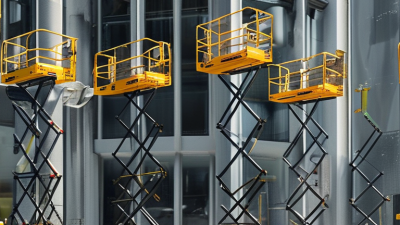
A man lift is a powered platform designed to raise workers and tools to elevated work areas. Depending on the model, it may move vertically, extend outward, or travel across a firm surface. Unlike ladders, it gives workers a stable platform with guardrails and controlled positioning. This can support lighting installation, building maintenance, warehouse repairs, and indoor construction tasks.

Rental equipment helps project teams match the lift to actual site conditions. A narrow platform may pass through a standard doorway, while a rough-terrain model can handle uneven outdoor ground. Before choosing, I check working height, platform capacity, outreach, access width, and floor strength. These details often matter more than appearance. A lift that reaches high but cannot enter the work area is not useful.

Safe operation requires trained users, pre-start inspections, and clear communication near the platform. Operators should check controls, tires, guardrails, alarms, and emergency-lowering systems before each shift. Weather and overhead hazards also deserve attention. In my experience, teams sometimes focus too heavily on height and overlook ground conditions. That mistake can delay work. A rental provider with maintenance records and practical equipment guidance can reduce uncertainty, although no rental choice replaces careful site planning.

Which Project Tasks Are Suitable for Man Lift Rental?

Why Choose Man Lift Rental for Your Project?

Man lift rental suits tasks that require safe, temporary access above ground level. Common examples include installing lighting, inspecting roofs, repairing façades, servicing HVAC systems, and fitting cables inside warehouses. These machines also help crews reach narrow aisles or uneven outdoor surfaces. A suitable lift can reduce ladder movement and improve working position. Still, height alone should not decide the rental.

The United States Occupational Safety and Health Administration reported 395 construction deaths from falls in 2022. That represented about 37% of all construction fatalities. The International Powered Access Federation recorded 118 MEWP-related fatalities worldwide in its 2024 Global Safety Report. These figures show why task planning matters. Choose based on working height, platform capacity, ground conditions, outreach, and indoor emissions requirements. A compact vertical lift may suit warehouse lighting. An articulated lift may better reach around pipes or structural obstacles. For short façade work, a self-propelled model can save setup time, though transport and rescue planning remain essential. The perfect match is rarely obvious at first.

Tips: Measure the highest work point, not just the building height. Check worker weight, tools, and materials together. Inspect floors, slopes, doors, and overhead hazards before delivery. Ask trained operators to review the rental plan. I have seen teams focus on reach and overlook ground pressure. That small mistake can disrupt an otherwise efficient job. Review the manufacturer’s operating instructions and local safety requirements before use.

What Are the Main Benefits of Renting a Man Lift?

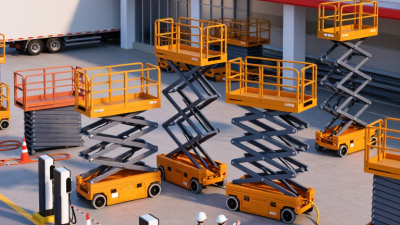
Renting a man lift gives project teams access to safe, elevated work without purchasing a machine. This matters when roof repairs, warehouse lighting, or exterior maintenance occur only a few times each year. Rental companies usually provide machines suited to different heights, platform sizes, and ground conditions. A compact lift may fit through a narrow doorway, while a rough-terrain model handles uneven outdoor surfaces.

The financial benefit is often immediate. Rental costs can cover equipment use, routine servicing, and storage needs within one project period. Your team avoids tying up money in a machine that may sit unused afterward. Delivery and pickup can also reduce transport planning, especially when the equipment arrives ready for inspection. Before work begins, operators should check guardrails, emergency controls, tires, batteries, and the surrounding ground. Small details matter.

Flexibility is another strong advantage. A contractor can rent a larger platform for material handling one week, then choose a smaller unit for indoor installation. This prevents workers from stretching ladders beyond their practical limits. It also helps managers match equipment to the actual task, rather than forcing every job around owned machinery. Still, renting is not automatically simple. Poor height estimates, weak site measurements, or rushed operator training can create delays. A careful pre-rental discussion about working height, outreach, access width, and surface conditions often prevents expensive mistakes. Safety rules and local requirements should be confirmed before operation.

How Should You Choose the Right Man Lift for Your Project?

Why Choose Man Lift Rental for Your Project?

How Should You Choose the Right Man Lift for Your Project?

Choosing a man lift starts with the work area, not the machine catalog. Measure the required working height and horizontal reach carefully. A platform that barely reaches the target can slow the entire job. Allow space for tools, materials, and safe worker movement. Check the platform’s rated load, including people and equipment.

Ground conditions matter more than many project planners expect. Smooth indoor floors may suit an electric lift, while uneven outdoor surfaces may require stronger traction and leveling features. Look for narrow dimensions when passing through doorways or crowded aisles. Review the power source, operating noise, and expected rental period. A trained operator should also understand controls, inspections, and emergency lowering procedures.

A common mistake is choosing by maximum height alone. That number does not describe real working reach. Wind, obstacles, overhead structures, and changing ground conditions can alter the plan. Recheck the measurements on site. The first estimate is often wrong. Ask the rental provider for inspection records, operating guidance, and a machine suited to your actual task. It is worth slowing down. A practical choice should support steady work without forcing operators to stretch, overreach, or reposition constantly.

What Safety and Rental Factors Should You Consider?

Why Choose Man Lift Rental for Your Project?

What Safety and Rental Factors Should You Consider?

Man lift rental can provide practical access for inspections, installation, lighting, and maintenance work. It avoids the storage and long-term maintenance costs of owning equipment. However, the lift must match the worksite, not just the required height.

Check platform height, horizontal reach, rated load, and ground conditions before booking. A compact lift may suit indoor flooring, while rough terrain requires stronger traction and stability. Confirm that operators have appropriate training and understand emergency lowering procedures. Inspect guardrails, controls, tires, alarms, and visible hydraulic lines before use. Never rely only on a recent inspection sticker. A second check can reveal damage caused during transport.

Rental details also matter. Ask for maintenance records, delivery instructions, insurance requirements, and clear responsibility for breakdowns. Discuss weather limits, charging or refueling needs, and the process for reporting faults. A rescue plan should be ready before anyone leaves the ground. It sounds obvious, but teams sometimes prepare the lift before preparing the rescue method.

Tips: Measure the narrowest access point. Keep the platform within its load limit. Use outriggers where required. Stop work during unsafe wind or lightning. Photograph existing damage at delivery. One overlooked detail can delay the entire project. Flexible planning is useful, but safety decisions should never be rushed.

Back To Top