skip to Main Content

7 Tips for Articulating Boom Lift Rental

Choosing an articulating boom lift rental is not simply a matter of selecting the highest platform. The machine must match the worksite, access route, ground conditions, and operator’s experience. A narrow indoor aisle needs different equipment from a rough outdoor construction area. Small decisions can affect safety, productivity, and the final rental cost.

Peter Douglas, a respected powered access specialist and former CEO of IPAF, puts the principle clearly: “Plan the work, assess the risks, and choose the right machine.” This advice guides the seven tips in this article. Each tip focuses on a practical rental decision, from measuring working height and side reach to checking platform capacity, tire type, power source, and delivery access. A machine may reach the roof, yet still fail to reach the work position safely. That happens more often than people admit.

Details matter. Check the surface before arrival. Wet soil, loose gravel, and polished floors can change the equipment choice. Confirm the lift’s width before sending it through a gate. Ask the rental provider about emergency lowering, daily inspections, weather limits, and operator training. Request clear records, not vague assurances.

There is no perfect rental choice. I have seen project teams prioritize reach, then discover the lift could not pass the entrance. That mistake wastes time and money. A careful comparison is slower at first, but usually cheaper overall. These seven tips will help you question assumptions, communicate with rental experts, and select an articulating boom lift rental that fits the real job.
7 Tips for Articulating Boom Lift Rental

Articulating Boom Lift Basics: 7 Rental Decisions to Make

Articulating Boom Lift Basics: 7 Rental Decisions to Make

An articulating boom lift is not chosen by height alone. Measure the highest work point, horizontal reach, and obstacles around it. Tip 1: Ask for the working envelope, not just platform height. Tip 2: Check platform capacity with workers, tools, and materials included. A small overload can reduce stability and create unsafe movement.

Tip 3: Match the machine to the ground. Four-wheel drive and rough-terrain tires help on compacted soil, but they do not fix deep mud. Tip 4: Confirm the power source. Electric models suit indoor work, while engine-powered units often support longer outdoor shifts. Tip 5: Review the rental period honestly. A rushed one-day booking may cost more than a flexible weekly rate. I have seen schedules fail because delivery windows were treated as minor details.

Tip 6: Inspect access routes before delivery. Measure gates, overhead services, turning space, and floor load limits. Tip 7: Verify operator competence, daily inspections, emergency lowering, and rescue planning. The IPAF Global Safety Report 2024 recorded 118 reported MEWP fatalities across 34 countries during 2023. That figure reinforces the need for documented controls, not informal confidence. OSHA also identifies falls as a leading cause of construction deaths. A rental decision should include the work method, weather limits, exclusion zones, and communication plan. The perfect machine on the wrong site remains the wrong machine.

Match Platform Height, Outreach, and 500–1,000 lb Capacity to the Job

7 Tips for Articulating Boom Lift Rental

Match platform height, outreach, and capacity before comparing rental prices. Platform height should exceed the work area slightly, not dramatically. Extra height can increase cost and reduce maneuverability. Measure the highest task point, then allow room for the operator and tools.

Outreach matters when obstacles block a straight approach. Sketch the building, trees, equipment, and restricted zones before selecting a lift. Articulating booms can bend over barriers, but every joint movement affects stability and positioning. Check whether the machine reaches sideways without resting on fragile surfaces.

Capacity typically ranges from 500 to 1,000 pounds. Include workers, tools, materials, and protective equipment in that calculation. A full platform can reach its limit quickly.

I have seen crews focus on height and overlook ground conditions. That mistake creates delays. Inspect slopes, soft soil, doorways, and overhead hazards during the site visit. Confirm platform dimensions and transport access with the rental specialist. Ask about wind limits, battery or fuel requirements, inspection records, and operator training. The first estimate may be wrong. Recheck measurements after reviewing the work sequence. Choose a lift that fits the real task, not an impressive number on paper. Keep clearance around the platform. Never assume maximum outreach means maximum capacity. When the job changes, stop and reassess the rental choice.

Check Ground Conditions, 4WD Needs, and Typical 30–50% Gradeability

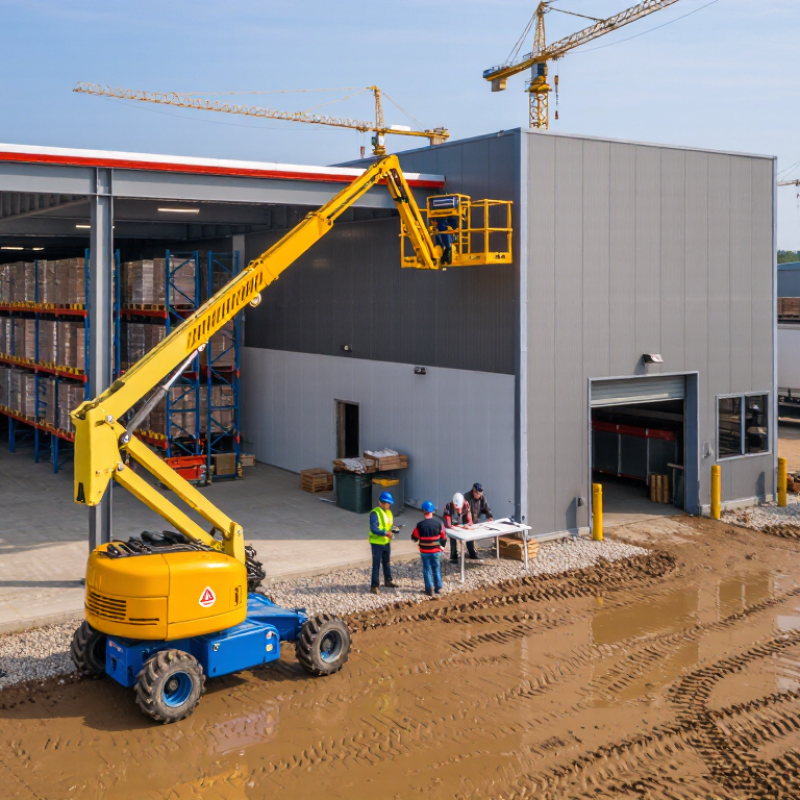
Choosing an articulating boom lift rental starts with the ground, not the platform height. Walk the work area and check for soft soil, loose gravel, drains, potholes, and hidden voids. A firm driveway may become unstable after rain. Mud changes everything.

Many rough-terrain models advertise typical gradeability between 30% and 50%. This figure is not a permission slip for every slope. It usually reflects controlled test conditions, limited load, and a specific travel position. A 30% grade rises about 30 feet over 100 horizontal feet. Use the rental company’s manual and measure the route before delivery. Do not guess.

Four-wheel drive can improve traction on wet ground, gravel, or uneven access paths. It cannot correct an unsafe slope or replace proper ground assessment. Keep the boom stowed while travelling, follow the permitted travel direction, and avoid sudden steering near an edge.

An experienced operator should check tire condition, controls, alarms, and emergency lowering equipment during handover. I have seen teams focus on reach and overlook a shallow trench beside the setup area. That mistake is easy to repeat.

Reconsider the route when rain, soil movement, or changing loads affects stability. The machine’s rated capacity, slope limits, and setup requirements must match the actual site conditions.

Verify ANSI A92.5 Compliance, OSHA Training, and Daily Inspection Records

7 Tips for Articulating Boom Lift Rental

Verify the lift’s ANSI A92.5 compliance before it reaches your site. Ask for the current certification and compare the machine’s identification plate with the rental paperwork. Confirm the platform height, outreach, and rated capacity match your planned work. Never estimate these limits from appearance alone. Check ground conditions, overhead obstructions, and nearby power lines before positioning the lift. A small slope can affect stability more than expected. Keep the operator manual inside the platform or in an accessible site file.

Require documented OSHA-compliant training for every operator. Training should cover controls, fall protection, emergency lowering, safe travel, and site-specific hazards. A short toolbox talk helps, but it does not replace formal qualification. Confirm workers understand the rescue plan before they ascend. Practice matters. Ask the rental provider about maintenance history, unresolved defects, and recent safety notices. A clean machine can still hide a serious issue.

Complete a daily inspection before each shift and after any event that may cause damage. Check tires, guardrails, gates, hydraulic hoses, pins, alarms, emergency controls, and visible structural welds. Test functions from ground level when the manual permits it. Record the date, machine ID, inspector, findings, and corrective action. Keep the record available for review. If a defect affects safe operation, tag the lift and remove it from service.

I once assumed a quiet hydraulic system meant everything was fine. That assumption was wrong. Ask a competent person to investigate unusual noises, leaks, or delayed movements before work continues.

Compare Rental Rates, Delivery Costs, Insurance, and Utilization Time

7 Tips for Articulating Boom Lift Rental

Compare the daily, weekly, and monthly rental rates before choosing a term. A low daily rate can become expensive when utilization changes. EquipmentWatch’s 2024 Rental Rate Guide shows why local market rates require careful comparison. Ask whether the quote includes attachments, charging, maintenance, and overtime. Request delivery and pickup costs separately. A short job may make transport a larger expense than expected. Measure the site entrance, turning space, and ground conditions before delivery. One missed measurement can create an avoidable second-trip charge.

Check insurance requirements, damage waivers, and liability limits in writing. Coverage terms differ between rental agreements. Speak with your project insurer before signing. IPAF’s Global Safety Report 2024 recorded 118 powered-access fatalities during 2023. That figure reinforces the value of trained operators, documented inspections, and realistic work planning. Confirm platform height, outreach, terrain capability, and indoor restrictions. Do not select a larger lift merely because it looks safer. Larger equipment may increase delivery costs and reduce access.

Estimate utilization by working hours, not calendar days.

Include setup, charging, weather delays, and idle periods. Track the lift with a simple daily log. Compare the planned hours with the actual hours after each shift. This exposes weak assumptions early. Ask about extension pricing before the original term ends. I would also challenge vague fuel, cleaning, or standby fees. The estimate may still be imperfect. That is useful. A transparent quote makes the remaining uncertainty easier to manage.

Back To Top