skip to Main Content

Why Choose Bucket Truck Rental for Your Project?

Choosing the right access equipment can shape a project’s safety, schedule, and overall cost. For many construction, maintenance, utility, and tree-care tasks, bucket truck rental offers practical elevation without requiring a permanent equipment purchase. A well-selected truck can place trained workers beside power lines, signs, roof edges, or tall branches with greater control.

The real advantage depends on matching the truck to the work. Consider platform height, outreach, weight capacity, ground conditions, and available parking space. A compact unit may suit a narrow residential street, while a larger model may handle heavier tools and wider work zones. Ask the rental provider about inspection records, operator controls, emergency systems, and delivery requirements. Reliable companies explain limitations clearly, rather than promising that one truck fits every job.

Experience also matters. A site supervisor should review overhead hazards, weather conditions, traffic movement, and daily operating procedures before work begins. The safest rental is not always the newest or cheapest option. It is the one that fits the task and the crew’s verified training. Small details matter.

There is no perfect choice. A truck can save labor, yet poor planning can erase those savings quickly. I have seen schedules change because access roads were narrower than expected or the ground could not support the machine. This article explores why bucket truck rental may be valuable, where it can reduce project pressure, and which practical questions deserve careful attention before signing an agreement.

Why Choose Bucket Truck Rental for Your Project?

What Is Bucket Truck Rental and How Does It Work?

Why Choose Bucket Truck Rental for Your Project?

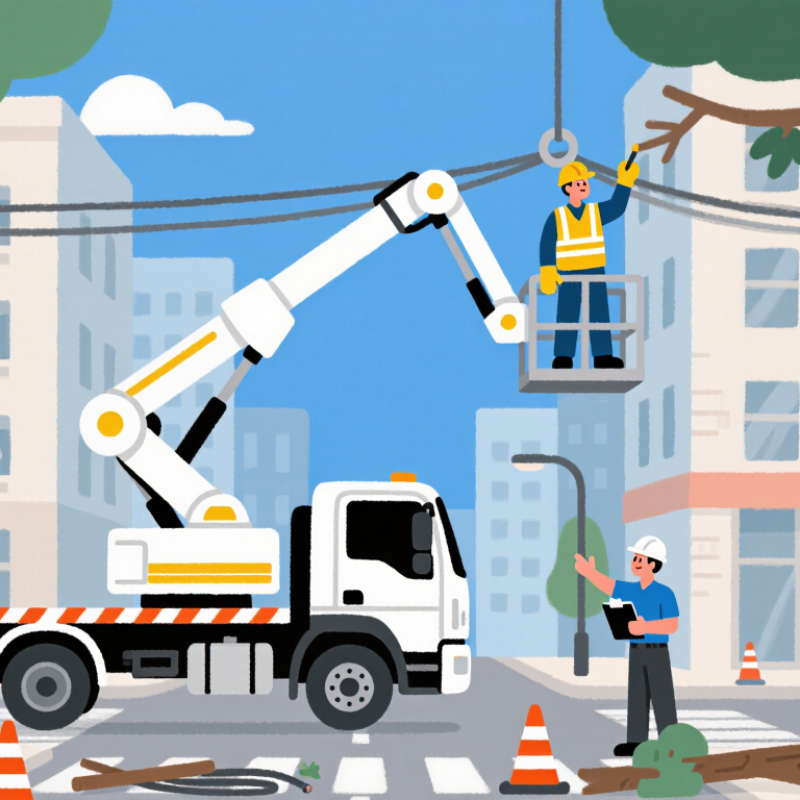
Bucket truck rental means hiring a truck equipped with a hydraulic boom and an elevated work platform. It helps crews reach overhead locations without building fixed scaffolding. Common tasks include tree trimming, lighting repairs, sign installation, and building maintenance. The truck normally includes stabilizers, safety rails, and controls near the platform.

The process starts with selecting the correct lift height, platform capacity, and working reach. A rental provider usually reviews the project details before assigning equipment. They should explain operating controls, inspection records, emergency lowering systems, and site limitations. The customer then schedules delivery or pickup, checks the truck, and confirms that a trained operator will use it. Some projects require a qualified operator, while others allow trained staff to operate the machine under applicable rules.

Ground conditions matter more than many people expect. Soft soil, slopes, overhead cables, and narrow access routes can change the rental choice. Operators should inspect the area, deploy stabilizers fully, and follow the machine’s load chart. Weather also deserves attention, especially wind and lightning. A bucket truck is useful, but it is not automatically the easiest option. A taller lift may seem efficient, yet limited access can make setup slow. Careful planning sometimes reveals that a smaller truck is safer and more practical. Mistakes happen. A second site check can prevent an expensive one.

When Is a Rental Bucket Truck the Right Project Choice?

A rental bucket truck is the right project choice when elevated work is temporary, specialized, or difficult to justify with owned equipment. It suits tree trimming, sign installation, exterior lighting, and storm-related repairs. A crew may need 45 feet of working height for only three days. Buying a truck for that schedule can leave expensive equipment idle for months.

Project conditions should decide the rental, not habit. Measure the working height, side reach, platform capacity, and access width before booking. Check the surface carefully. Wet soil, sloped driveways, and low branches can change the plan quickly. An experienced operator should also inspect outriggers, controls, tires, and emergency systems before use. The U.S. Bureau of Labor Statistics recorded 885 fatal work injuries involving falls, slips, and trips in 2023. That figure makes rushed planning difficult to defend.

Rental demand also reflects wider industry behavior. The American Rental Association’s 2024 forecast estimated U.S. equipment rental revenue at about $78.7 billion. This supports flexible access over permanent ownership for many contractors. Still, a rental truck is not automatically safer. OSHA guidance emphasizes operator training, fall protection, safe clearance from power lines, and daily inspections. I have seen schedules encourage poor decisions. That hesitation is useful. If the site changes, the truck’s reach or chassis may no longer fit. Recheck the plan before the wheels arrive.

Why Choose Bucket Truck Rental for Your Project?

A rental bucket truck is often the right choice when a project needs temporary aerial access, a specific working height, or equipment that would be costly to own and maintain year-round.

Short-Term Work

Renting avoids purchasing equipment for occasional jobs, seasonal maintenance, or one-time installations.

Variable Height Requirements

Choose a truck with a working height that matches the task instead of maintaining several vehicle types.

Lower Ownership Responsibility

Rental arrangements can reduce responsibilities for storage, scheduled maintenance, inspections, and depreciation.

The chart shows common working-height categories for vehicle-mounted bucket trucks. Actual specifications vary by equipment configuration, site conditions, and rental provider.

How to Match a Bucket Truck to Your Work Requirements

Matching a bucket truck to the job starts with reach, not price. Measure the required working height, side reach, and platform height separately. A 60-foot tree may need more than a 60-foot truck. Branches, slopes, and parked vehicles can change the working position.

Choose an insulated boom for tasks near electrical systems, but never treat insulation as permission to work carelessly. Check the manufacturer’s voltage rating, ground conditions, and wind limits before rental. OSHA regulations 1910.67 and 1926.453 emphasize trained operators, safe clearances, and daily equipment inspections. Those details matter beside a wet roadside or uneven gravel.

Capacity is another practical filter. Add the operator, tools, materials, and any protective equipment before comparing platform limits. IPAF’s Global Safety Report 2024 recorded 118 reported powered-access fatalities during 2023. Falls, overturns, and electrocution remained major concerns. A rental checklist helps, but it can still miss awkward access or changing weather. I have found that a short site walk often reveals more than a quick phone estimate. Ask about outriggers, turning space, transport height, and emergency lowering. Small oversights become expensive delays.

Why Choose Bucket Truck Rental for Your Project? - How to Match a Bucket Truck to Your Work Requirements

Work Requirement Typical Working Height Typical Horizontal Reach Typical Platform Capacity Recommended Bucket Truck Type Suitable Work Environment Key Selection Considerations
Streetlight and Sign Maintenance 30–45 ft 20–35 ft 300–500 lb Urban roads, parking areas, commercial properties Check road width, vehicle footprint, traffic-control requirements, and whether electrical insulation is required.
Tree Trimming and Arboricultural Work 45–75 ft 35–55 ft 500–700 lb Residential streets, parks, utility corridors Prioritize side reach, boom maneuverability, ground stability, and clearance from overhead power lines.
Building Exterior Repairs 40–75 ft 30–50 ft 500–700 lb Warehouses, offices, schools, and multi-story buildings Measure the distance from the setup area to the façade and confirm that outriggers can be fully deployed.
Roof, Gutter, and Exterior Cleaning 35–65 ft 25–45 ft 300–500 lb Residential and light commercial properties Choose a unit that can fit through access points while providing sufficient platform height and reach.
Utility Line Inspection and Maintenance 50–100 ft 40–70 ft 500–700 lb Utility rights-of-way and roadside work zones Verify required insulation rating, minimum approach distances, grounding procedures, and operator qualifications.
Large Facility Lighting Installation 60–120 ft 45–80 ft 500–700 lb Industrial sites, sports facilities, and large warehouses Confirm maximum height, outreach at the required height, wind limitations, and available ground space.
Telecommunications Equipment Service 60–100 ft 40–70 ft 500–700 lb Communication towers, rooftops, and roadside installations Account for tools and materials in the platform load, site access, overhead obstructions, and stabilization needs.
Indoor or Confined-Site Maintenance 25–60 ft 15–35 ft 300–500 lb Large indoor facilities, courtyards, and restricted-access areas Check doorway dimensions, floor loading, turning radius, exhaust restrictions, and available ventilation.

Typical ranges are provided for preliminary planning only. Actual specifications vary by equipment configuration, jobsite conditions, load requirements, and local safety regulations. Confirm the unit’s working height, side reach, platform capacity, insulation rating, access dimensions, and operating limitations before rental.

What Costs and Rental Terms Should You Evaluate?

Why Choose Bucket Truck Rental for Your Project?

Rental cost is more than the advertised daily rate. The American Rental Association’s 2024 Rentalytics forecast valued U.S. equipment rental revenue at about $68.1 billion. That scale reflects strong demand, but local pricing still varies widely. Ask about delivery, pickup, fuel, insurance, damage waivers, and cleaning fees. A low daily rate can become expensive after a week of weather delays.

Review the rental term carefully. Confirm the minimum period, overtime rate, cancellation window, and off-hire policy. Some agreements charge by day, while others use weekly or monthly billing. IPAF’s 2024 Global Powered Access Rental Market Report highlights utilization, fleet age, and rental rates as key market measures. An older truck may cost less, but maintenance interruptions can reduce useful working hours. I have learned to compare productive hours, not just the invoice total. That judgment is not always perfect.

Tips: Request a written, itemized quote. Check the truck’s inspection records. Measure your maximum working height first. Confirm whether an operator is included. Leave room for rain, traffic, and setup time. Also ask how quickly a replacement unit can arrive. Small contract details matter.

How to Use a Rented Bucket Truck Safely and Efficiently

Why Choose Bucket Truck Rental for Your Project?

A rented bucket truck can provide safe, practical access to elevated work areas without a long-term equipment commitment. Before pickup, match the truck’s platform height, side reach, and lifting capacity to the job. Ask the rental technician to explain every control. Confirm the inspection record, emergency lowering system, and operator manual. Small details matter.

Read the load chart before entering the platform. Include tools, materials, and each worker’s weight. Wear a properly fitted helmet, fall protection equipment, and high-visibility clothing. Park on firm, level ground, then engage the parking brake and stabilize the vehicle. Keep the platform away from overhead lines, tree branches, and moving vehicles. Maintain a clearly marked exclusion zone below.

Use a trained operator and a ground spotter whenever visibility is limited. Communicate with simple hand signals or a radio. Raise the platform slowly, watching for sway, shifting ground, and changing weather. Strong wind can turn a routine task into a serious problem. Stop work during lightning or unsafe visibility. Never climb the guardrails or place ladders inside the platform.

A rushed setup often causes avoidable mistakes. I would rather spend ten extra minutes checking clearance than correct a damaged panel or injured worker. After finishing, lower the platform fully, remove debris, and report unusual noise or control problems. The next user depends on accurate information.
Back To Top