skip to Main Content

Top 10 Crane Companies in the World

Cranes shape the skylines, ports, and industrial sites people rely on every day. Behind these machines are crane companies that design, manufacture, rent, and service equipment for demanding work. Their products range from compact truck-mounted cranes to massive crawler cranes built for heavy lifts. The differences matter. A tower crane suited to a city project may not fit a wind farm or a busy shipyard.

This overview of the top 10 crane companies in the world introduces prominent manufacturers and explains what distinguishes their offerings. It considers factors such as product range, lifting capacity, technology, global reach, and after-sales support. These details help readers understand why one company may suit a contractor’s needs better than another. A high-capacity machine is not automatically the right choice; site access, ground conditions, transport, and operator training also affect a project.

Rankings can vary. Market presence, available data, and regional demand all shape how companies are compared, so no single list tells the whole story. Even a strong list has blind spots. Use this guide as a starting point, then confirm specifications with current manufacturer information and qualified equipment professionals. Look closely at load charts, service networks, parts availability, and the conditions stated for each machine’s rated capacity. Those practical details can matter as much as brand recognition when schedules are tight and lifts must be planned carefully.
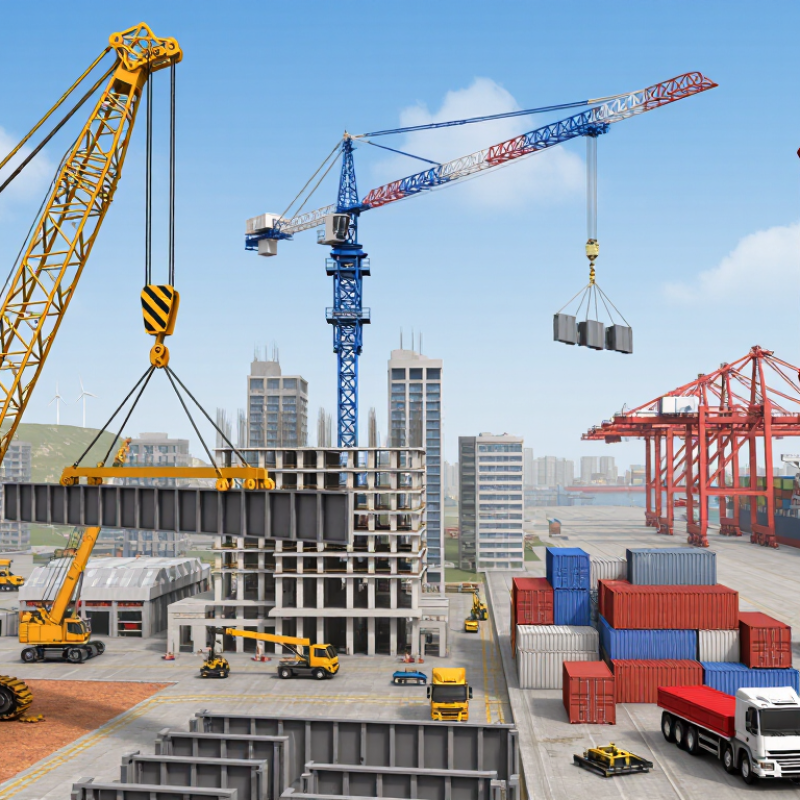
Top 10 Crane Companies in the World

What Defines a Leading Crane Company in the Global Market?

A leading crane company is defined by more than lifting capacity or fleet size. Its equipment must perform predictably across changing sites, from cramped urban projects to exposed industrial yards. Buyers should examine rated-load charts, stability controls, and how clearly operators can read the cab displays. Small details matter. A confusing alarm or poorly placed service panel can slow a shift.

Reliability also depends on the support behind each machine. Look for documented inspection routines, accessible replacement parts, and technicians who can explain maintenance findings in plain language. Training matters too; a capable supplier helps crews understand setup limits, ground conditions, and safe operating procedures. Ask how service response is handled during peak construction periods, not only under ideal conditions. Evidence is stronger than promises: request service records, performance data, and references from comparable projects. There is no perfect scorecard, and I may weigh after-sales support more heavily than some buyers do. Still, a crane that lifts smoothly but sits idle for days can become an expensive disappointment. The best choice fits the work, the site, and the people operating it.
How the Top Crane Manufacturers Are Ranked and Compared

A credible comparison of the world’s top crane manufacturers should look beyond headline lifting capacity. A crane rated for 500 tons may not suit a crowded urban site with limited setup space. Rankings should weigh product range, engineering performance, safety features, service coverage, parts availability, and long-term operating costs. Reviewers can compare published load charts, boom configurations, control systems, and maintenance requirements. Field experience matters, too: setup time on uneven ground can change a project’s schedule. Small details count.

Tips: Match the crane to the actual lift, not the largest load in the project brief. Check ground pressure, transport limits, and local technician access. Ask how quickly common replacement parts can arrive. Compare the same operating conditions across manufacturers; otherwise, the numbers can mislead.

A useful ranking explains its method and separates verified specifications from company claims. It should also consider performance across different job types, from bridge construction to factory installation. No scoring system is perfect. Public data can be incomplete, and service quality may vary by region. That uncertainty deserves a clear note, not a confident-looking score. Readers should treat a top-ten list as a shortlist, then confirm details against site conditions, operator needs, and independent technical documentation.

Profiles of the Top 10 Crane Companies Worldwide

Profiles of the Top 10 Crane Companies Worldwide

A credible profile of ten leading crane manufacturers should compare more than headline lifting capacity. Buyers need to examine machine type, rated load, boom reach, transport requirements, and local service coverage. A crawler crane suited to a wind farm may be impractical on a crowded urban site. Small details matter: outrigger setup, cab visibility, and how quickly technicians can source replacement parts. A ranking can mislead.

KHL’s Yellow Table 2024 reported that the 50 largest construction equipment manufacturers generated a combined US$243.4 billion in sales during 2023. This is a broad equipment-sector benchmark, not crane-only revenue, so it should not be treated as a direct ranking of crane businesses. For individual profiles, compare published load charts and product ranges with independent market data, then check support commitments and operator training. Strong specifications look good on paper. Field conditions are less tidy. A profile should also note where evidence is limited, since public disclosures vary and advertised maximum capacity rarely reflects every working configuration.

Major Crane Types, Technologies, and Applications

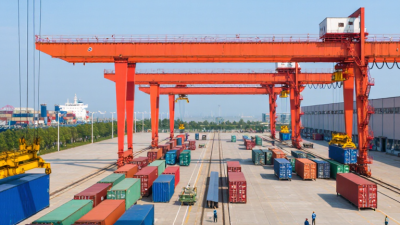
Crane selection depends on the load, reach, site access, and ground conditions. Tower cranes lift materials across dense building sites, while mobile cranes travel between jobs and set up quickly. Crawler cranes move on tracks and handle heavy loads on large projects. Overhead and gantry cranes serve factories, workshops, and ports, where loads follow repeatable routes.

The technology matters as much as the crane type. Load-moment indicators warn operators when a lift approaches rated limits. Cameras, anemometers, and anti-sway controls can improve visibility and load stability. Telematics may record equipment use and maintenance needs, but the data is only useful when someone reviews it. Small details matter. A soft patch beneath an outrigger can change a lift plan; so can wind pushing a suspended panel.

Applications range from placing steel beams to moving containers and positioning wind-turbine components. Before a lift, crews should confirm load weight, rigging points, lifting radius, and ground capacity. A plan can look sound on paper, yet site access or weather may force changes. That part is easy to underestimate. Technology supports good judgment, but it cannot replace clear communication between operators, riggers, and signalers.

Global Markets, Service Networks, and Competitive Strengths

The world’s leading crane companies compete across very different markets. A tower crane suited to a dense city center may be useless at a remote mine. Customers compare lifting capacity, setup time, parts availability, and local technical support. A strong product matters. So does getting a replacement hydraulic component to a jobsite before a shutdown grows costly.

Service networks often reveal a company’s real reach. Regional depots, trained technicians, and clear maintenance schedules help keep equipment working across borders. In coastal markets, ports and shipyards need reliable heavy-lift cranes and fast inspections. Construction firms may value compact machines that fit narrow streets and can be assembled with limited site access. Those needs change by region, and not every supplier serves them equally well.

Competitive strength also depends on financing, operator training, and digital tools that track machine condition. These advantages can reduce downtime, but they are not guarantees. Data systems still need accurate inputs. Local teams may be stretched thin. That part is easy to overlook. A useful comparison of ten global companies should therefore examine service coverage and customer support, not just headline lifting capacity. Even impressive specifications can disappoint when parts arrive late or instructions do not match conditions on site.

Top 10 Crane Companies in the World - Global Markets, Service Networks, and Competitive Strengths
Rank Anonymous Profile Headquarters Core Crane Segments Major Markets Served Service Network Competitive Strengths
1 Profile 01 Germany Mobile, crawler, tower, and maritime cranes Construction, infrastructure, energy, ports, and industrial projects International sales and service operations, supported by regional subsidiaries, service centers, and parts support Broad in-house product range; engineering capability across multiple crane types; strong presence in complex heavy-lift applications
2 Profile 02 Finland Industrial overhead cranes, port cranes, and material-handling equipment Manufacturing, process industries, ports, terminals, and logistics Global service organization providing maintenance, inspections, modernization, and equipment support Strong industrial and port-crane expertise; lifecycle service offering; capabilities in automation and modernization
3 Profile 03 United States Crawler, all-terrain, rough-terrain, and tower cranes Commercial construction, infrastructure, power, and heavy industry Dealer and service coverage across major markets, with parts and technical support for equipment owners Established North American presence; experience with lattice-boom crawler cranes and a varied mobile-crane portfolio
4 Profile 04 Japan All-terrain, rough-terrain, truck, and crawler cranes Construction, infrastructure, utilities, and industrial lifting International subsidiaries and distributors provide sales, parts, maintenance, and technical assistance Specialized mobile-crane engineering; broad road-mobile product coverage; established presence in Japan, North America, and Europe
5 Profile 05 China Truck, all-terrain, crawler, tower, and rough-terrain cranes Domestic construction and infrastructure, with exports serving international project markets Extensive home-market dealer and service coverage, complemented by overseas distributors and regional support operations Large product range; high-volume manufacturing capacity; competitive positioning across several crane categories
6 Profile 06 China Truck, crawler, tower, and all-terrain cranes Construction, infrastructure, mining, energy, and municipal projects Broad domestic service reach and an international network of distributors, service partners, and parts channels Scale in construction machinery; wide model selection; growing international sales and support footprint
7 Profile 07 China Truck, crawler, tower, and all-terrain cranes Building construction, infrastructure, energy, and industrial projects Domestic service infrastructure supported by overseas subsidiaries and distributor networks in export markets Broad construction-equipment portfolio; substantial manufacturing scale; experience across lifting and heavy-equipment categories
8 Profile 08 Japan Hydraulic crawler cranes Foundation work, civil engineering, infrastructure, and heavy construction Regional distributors and service partners support equipment maintenance, parts, and technical assistance in export markets Focused expertise in crawler cranes; strong fit for demanding ground conditions and construction applications
9 Profile 09 Japan Lattice-boom crawler cranes and foundation equipment Heavy construction, infrastructure, energy, and foundation engineering Home-market support and international distribution provide parts and service access across selected overseas markets Specialized crawler-crane engineering; established experience in large-capacity lifting and infrastructure work
10 Profile 10 Austria Loader cranes, marine cranes, and truck-mounted lifting equipment Transport, construction, forestry, municipal services, and marine operations International sales and service network supported by distributors, local service partners, and parts availability Strong specialization in truck-mounted lifting; product integration with commercial vehicles; broad range of application-specific equipment

Note: Company names and product brands are intentionally omitted. The order is a qualitative global-market overview, not a ranking by a single audited revenue or shipment metric. Market and service descriptions summarize publicly reported business activities and may vary by region.

Back To Top