Best Crane Companies in China for Global Buyers
Choosing among crane companies in China requires more than comparing price lists. Global buyers need to assess lifting capacity, engineering support, component quality, and service after delivery. A low quotation may look attractive. It may not tell the whole story.
A practical buying principle is captured by this original illustrative line from a fictional composite adviser, Dr. Wei Chen: “A crane is only as dependable as the engineering, service, and people behind it.” This is not a verified quotation from a real person. It reflects the checks buyers should make: review product specifications, request relevant project references, and clarify commissioning, spare-parts access, and warranty terms. Ask for details, not broad assurances. A clear answer matters.
This guide introduces Chinese crane manufacturers and suppliers serving international markets, while recognizing that no single company fits every project. Some buyers need a port crane for heavy, repeated lifts. Others need a compact overhead crane for a workshop, where runway dimensions and headroom can decide the purchase. Compare suppliers against your actual operating conditions, not just brochure figures. Also examine communication quality and technical documentation; these can be overlooked until a project is underway. No shortlist is perfect. Company capabilities change, and published claims should be checked directly with the supplier. The sections ahead offer a grounded starting point for evaluating crane companies, asking sharper questions, and narrowing options with care.
China’s Crane Industry and Its Main Equipment Categories
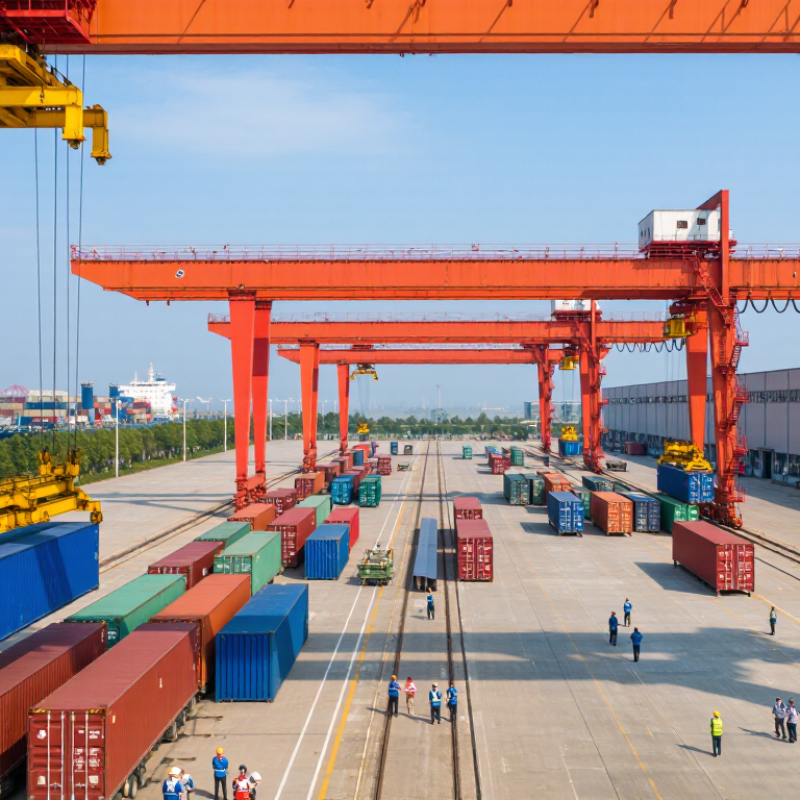
China’s crane industry covers a broad range of lifting equipment for construction, manufacturing, ports, and infrastructure projects. Buyers may encounter overhead cranes inside factories, gantry cranes in yards, tower cranes on building sites, and mobile cranes for changing work locations. Each category solves a different lifting problem. Details matter.
Overhead cranes travel along elevated runway beams and suit repetitive indoor handling. Gantry cranes stand on legs and can move across open ground, making them useful for shipyards and storage areas. Tower cranes provide height and reach on dense construction sites. Truck-mounted and crawler cranes offer mobility or stability, but their setup needs differ. Hoists and winches also form part of many lifting systems, though they are not complete cranes by themselves.
For global buyers, equipment selection should begin with load weight, lifting height, span, duty cycle, and site conditions. A clear specification helps suppliers propose suitable configurations. Request drawings, component details, inspection records, and test documentation before comparing quotations. Check whether electrical controls, language labels, and service support match the intended operating environment. Catalog descriptions can sound precise while leaving important limits unclear. I would verify those limits directly, especially for frequent or near-capacity lifts.
Fit comes first. A crane that looks impressive may still be poorly matched to the building, workflow, or maintenance skills available on site.
How to Evaluate Crane Manufacturers for Global Procurement
A crane purchase should begin with the job, not the catalogue. Define the required capacity, lifting height, span, duty cycle, and operating environment. A crane handling steel coils in a coastal yard faces different demands from one serving an indoor workshop. Share actual drawings and load patterns with suppliers. Vague specifications invite mismatched proposals.
Ask for evidence behind key claims. Review design calculations, component lists, inspection records, and load-test procedures. Check whether the proposed configuration matches your site’s power supply, runway, and control preferences. Request references for comparable applications, then verify what equipment was delivered and how support was handled. A polished brochure can still leave gaps. Ask direct questions.
Compare more than the quoted price. Clarify installation assistance, operator training, spare-parts availability, warranty terms, and expected response times. Confirm which documents accompany shipment, and arrange an independent inspection when the order’s size or risk justifies it. No checklist catches everything. Even a factory visit may show only a prepared production area, so discuss routine quality checks and how defects are recorded. Keep written answers beside the offer. If a technical detail remains unclear, pause before approving the design.
Leading Chinese Crane Companies and Their Product Strengths
Chinese crane manufacturers compete through distinct product strengths: truck cranes suit road-based lifting, crawler cranes handle heavy loads on prepared sites, and tower cranes serve dense urban projects. Buyers should compare rated capacity, boom length, transport dimensions, and service access—not just headline lifting figures. A 70-tonne crane may look capable on paper, yet ground conditions and setup time can change the job.
The China Construction Machinery Association reported construction machinery exports of about US$50.6 billion in 2023. This is a sector-wide figure, not crane-only, but it signals substantial export experience.
KHL’s 2024 Yellow Table placed the combined 2023 sales of the world’s 50 largest construction equipment manufacturers at US$243.4 billion, reflecting the scale of the wider equipment market.
China-based suppliers often offer broad model ranges, local component networks, and competitive production capacity. That helps with availability. It does not guarantee easy maintenance overseas.
For global buyers, product strength should include parts support, operator documentation, and clear load charts in the destination language. Ask for duty-cycle references and real project records, then check whether parts can reach your site promptly. A brochure cannot show everything. Even a technically strong crane can disappoint when dealer training or spare-parts planning is thin; this is an area buyers should examine carefully.
Comparing Suppliers by Applications, Certifications, and Export Support
Choosing a crane supplier in China starts with the worksite, not the catalogue. A gantry crane for an outdoor yard faces different loads, weather, and travel distances than an overhead unit inside a steel plant. Share the required lifting capacity, span, duty cycle, operating hours, and site conditions before comparing quotations. A tidy price sheet is useful, but it cannot reveal every design assumption.
Check whether the supplier has completed similar installations, and ask for references involving comparable capacities and operating conditions. Review drawings, load-test records, and quality documents for the specific equipment offered. Certification names alone are not enough; confirm the issuing body, scope, and model coverage. Details matter. A certificate may cover a factory process, not every crane configuration.
Export support can shape the move from workshop to site. Ask who prepares packing lists, shipping dimensions, installation guidance, spare-parts schedules, and remote commissioning support. Confirm response times and what the quotation excludes. Request manuals in the language your maintenance team uses. Some suppliers respond quickly before payment, then slowly after delivery. Put support arrangements in writing; even careful buyers can miss a gap while comparing prices.
How Global Buyers Can Verify and Select a Crane Supplier
Choosing a crane supplier in China starts with evidence, not polished brochures. Ask for the exact model’s technical drawings, rated capacity, span, lifting height, and duty classification. Compare these details with your site conditions and operating schedule. A five-tonne rating alone tells you little about performance during repeated shifts.
Request current quality certificates and confirm their scope, issuing body, and validity independently. Ask for inspection records, load-test procedures, and material or component traceability for the proposed crane. A live video walkthrough can show the workshop, assembly area, and identification plates. It cannot replace an independent inspection. That distinction matters.
Speak with overseas customers who operate similar equipment, and ask specific questions about commissioning, spare parts, and response times. Check whether the quotation clearly lists freight, installation support, documentation, warranty terms, and exclusions. Have a qualified engineer review the design before approval. Small details count. Cable routing and access to limit switches can affect maintenance on a crowded floor. A checklist helps, but it may miss a practical issue; ask your operators to review the layout too. If answers stay vague or documents do not match the quoted model, pause and request clarification in writing.
Related Posts
-
10 Essential Tips for Mastering Telehandler Operation
-
How to Choose the Right Construction Lift Rental for Your Project Needs
-
How to Estimate Crane Rental Cost for Your Next Project?
-
What is a Machinery Movers Guide for Global Buyers?
-
Discover the Ultimate Guide to Lift Rental: Essential Tips for Your Next Project
-
7 Tips for Choosing the Best Crane Rentals?