
7 Mobile Crane Rental Tips Every Buyer Should Know
A mobile crane rental decision can shape a project’s schedule, cost, and safety from the first lift. The right crane is not always the largest one. It is the machine that can reach the load, fit the site, and work within the planned setup. A narrow access road, soft ground, or overhead obstruction can change the plan quickly. Small details matter.
Before comparing prices, define the lift. Record the load’s weight, dimensions, pick-and-place locations, and required radius. Share site photos, ground conditions, and access measurements with the rental provider. Crane-industry educator Mike Parnell is a useful technical reference for buyers planning lifts. To avoid putting unverified words in his mouth, the quotation below is an editorial guiding principle, not a statement attributed to him: “Match the crane to the lift, the site, and the plan.”
This outline covers seven practical checks: capacity, reach, ground support, operator qualifications, equipment condition, rental terms, and communication. Ask who supplies rigging, who confirms setup requirements, and what happens if weather or site access changes. Request written details. Then read them closely. A low daily rate may not include delivery, setup, or additional equipment. Even careful planning has limits; site conditions can differ from early estimates. Recheck them before the crane arrives. These steps help buyers compare options clearly and reduce avoidable surprises.
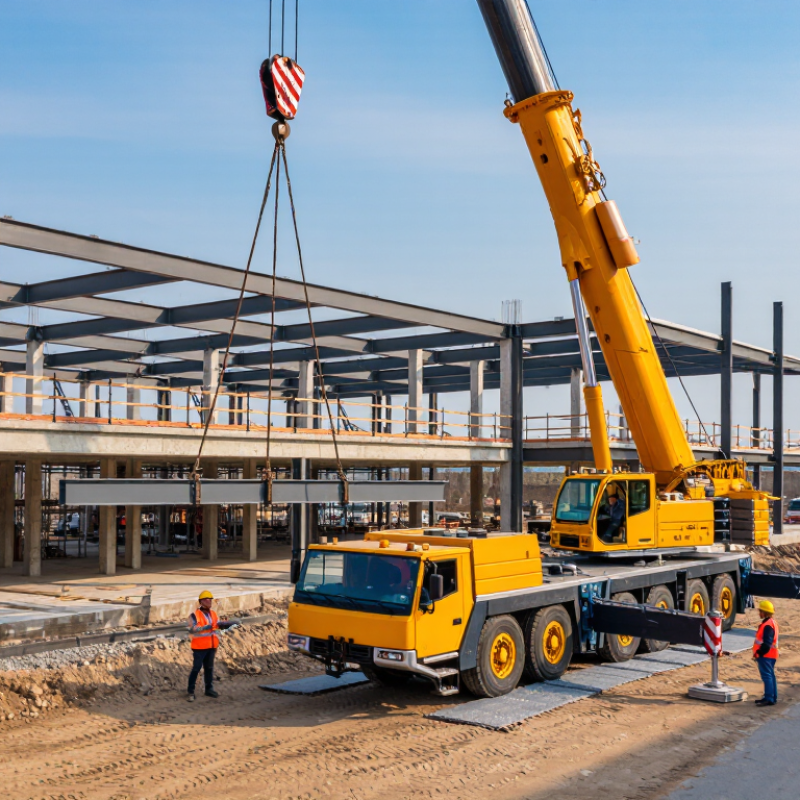
Define the Lift Plan: Load Weight, Radius, Height, and Duty Cycle
Before requesting a mobile crane, write down the load’s verified weight, including rigging, hooks, and any lifting frame. A pallet marked “about two tonnes” is not enough for a safe capacity check. Confirm the actual weight from shipping records or a reliable measurement. Small additions matter.
Measure the working radius from the crane’s center of rotation to the load’s pickup and placement points. Capacity can drop sharply as the radius grows, even when the load stays the same. Check the crane’s load chart for the planned boom length and outrigger setup. Also record the required hook height, overhead obstructions, and any space needed to position the boom. A quick site sketch helps expose awkward clearances. It may still miss something.
Duty cycle deserves attention, too. One lift is different from repeated picks throughout a shift. Note how often the crane will lift, how long loads will remain suspended, and whether repositioning is expected. These details help the rental provider assess a suitable crane and operating setup. Ground conditions matter: soft fill or buried services can affect outrigger support. Share site information with a qualified lift planner, then confirm the plan against current equipment data before work begins. I have seen schedules drive decisions too quickly; a short pause to recheck the radius can prevent a costly mismatch.
Match Crane Capacity to the Load Chart Under OSHA 29 CFR 1926.1417
7 Mobile Crane Rental Tips Every Buyer Should Know
A crane’s advertised capacity is not the capacity available for every lift. Under OSHA 29 CFR 1926.1417, the operator must not exceed the equipment’s rated capacity. Check the crane’s load chart for the exact configuration planned: boom length, working radius, counterweight, outrigger position, and parts of line. Small setup changes can alter allowable capacity. The chart matters.
Before the rental arrives, share the heaviest load’s verified weight and planned lift path with the rental provider and site team. Include rigging, hooks, and other below-the-hook equipment when determining the lifted weight. Measure the radius from the crane’s center of rotation to the load—not from a convenient spot nearby. That is easy to misjudge. Compare the resulting chart capacity with the total load, and confirm the ground can support the crane in its planned setup. If the chart is unclear or the configuration differs from the plan, pause and get qualified guidance rather than relying on a rough estimate. I’ve seen careful teams miss a detail when the work area changes; a fresh check before lifting is worthwhile.
Check Ground Conditions and Setup Requirements Under OSHA 29 CFR 1926.1402
Before a mobile crane arrives, inspect the full setup area—not just the spot beneath its outriggers. OSHA 29 CFR 1926.1402 addresses ground conditions, including firmness, drainage, grading, and support for the crane’s load. A compacted-looking surface can still hide a soft shoulder or buried utility. Check for recent backfill, standing water, slopes, underground structures, and nearby excavations.
Tip: Walk the planned route and setup footprint with the site contact. Compare the ground with the crane manufacturer’s support and level requirements. Confirm who will provide mats or other supporting materials, and share known subsurface hazards with the crane crew. Take photos of questionable areas. Small details matter.
Conditions can change overnight. Rain may soften a gravel pad, while delivery trucks can rut an access lane before setup. Recheck the area on arrival, especially around outrigger positions, and pause if the surface shifts or settles. A plan may look sound on paper but miss one muddy corner. Do not guess; ask the responsible site representative to clarify ground information and required preparation before lifting begins.
Verify Operator Qualifications Under OSHA 29 CFR 1926.1427
Before booking a mobile crane, verify the operator’s qualifications under OSHA 29 CFR 1926.1427, where applicable. Ask for current certification or licensing records that match the crane’s type and capacity. A credential alone may not show the operator has been evaluated on the specific equipment. The employer must also ensure the operator can safely operate that crane. Paperwork matters. So does practical competence.
Tip: Ask the rental provider to confirm who is responsible for the operator’s evaluation and to share the relevant records before delivery. Check names, dates, crane category, and capacity details. If anything is unclear, resolve it before the crane reaches a busy site.
Compare the documents with the actual lift plan and equipment configuration. A crane arriving with a different setup may call for a fresh check of the operator’s experience and authorization. Keep the verification record with site documents, and make sure the supervisor knows whom to contact with concerns. A neat certificate can be reassuring, but it cannot answer every question about judgment under changing site conditions. If the operator’s qualifications or evaluation are uncertain, pause the rental process and confirm the requirements with the employer or a qualified safety professional.
Compare Rental Terms and Check OSHA’s 12-Month Inspection Interval (1926.1412)
A low rental rate can hide costly gaps. Compare the written terms for delivery, setup, operator support, fuel, and downtime. Ask who pays if a mechanical fault stops the lift, and how quickly a replacement crane can arrive. Get the answers in writing. A phone promise is easy to forget.
Check the crane’s inspection records before it reaches the site. Under OSHA 29 CFR 1926.1412, a qualified person must conduct a comprehensive inspection at least every 12 months. The inspection must follow the applicable requirements, and the employer must keep documentation. Ask the rental provider for the latest report, its date, and any unresolved deficiencies. A fresh-looking cab proves very little.
Match the records to the actual crane: confirm its identifying number, not just the model. Also ask how the provider handles repairs and required inspections during your rental period. The 12-month interval is a baseline, not a reason to ignore new damage or unusual operation. Photograph visible issues at delivery, including worn tires, damaged rigging, or leaking fluid, and report them promptly. I once focused too much on the hourly rate; the idle day cost more than the paperwork ever would.
| 7 Mobile Crane Rental Tips Every Buyer Should Know - Compare Rental Terms and Check OSHA’s 12-Month Inspection Interval (1926.1412) | |||
|---|---|---|---|
| Tip | What to Compare or Check | Questions to Ask Before Booking | Why It Matters |
| 1. Match capacity to the lift | Confirm the load weight, lift radius, required hook height, boom configuration, and ground conditions. Check the crane’s load chart for the exact configuration and planned lift. | Can you provide a lift plan or confirm the crane configuration against the load chart? What load weight and radius are being used? | Crane capacity depends on factors such as radius and configuration; a crane’s headline capacity alone does not establish that it can safely perform a specific lift. |
| 2. Compare the complete rental terms | Review the rental period, minimum charge, overtime rules, delivery and collection charges, standby rates, fuel terms, and cancellation or weather provisions. | Which charges are included in the written quote, and how are delays, extensions, or a cancelled lift billed? | Quotes may use different billing periods and include different services. Comparing itemized terms makes the total expected cost clearer. |
| 3. Confirm what the rental includes | Identify whether the arrangement includes an operator, signal person, rigging, transport, setup, outrigger mats, and any required permits. Confirm responsibilities in writing. | Who supplies each worker, accessory, and service? Who is responsible for site preparation and permits? | Clearly assigned responsibilities help prevent gaps in equipment, staffing, and site readiness on lift day. |
| 4. Check the inspection records | Ask for the crane’s applicable inspection documentation and confirm that required inspections are current. Under OSHA 29 CFR 1926.1412, inspections include shift, monthly, and annual inspections, as applicable. | Can you provide the latest applicable inspection records, including the annual comprehensive inspection date and any identified deficiencies? | Inspection records help verify equipment condition and support compliance. An annual inspection does not replace required shift or monthly inspections. |
| 5. Verify site access and setup needs | Check access routes, overhead obstructions, underground utilities, ground-bearing conditions, setup space, and the planned position of outriggers. | What site information do you need before delivery? Are there clearance, ground-support, or access limits for the selected crane? | Site constraints can affect whether the crane can reach the work area and be set up safely in the planned configuration. |
| 6. Confirm operator and lift coordination | Clarify who provides a qualified operator and who directs the lift. Agree on communication methods, signaling responsibilities, and the lift sequence before work starts. | Who is the lift director or signal person, and how will the operator receive signals if direct communication is not possible? | Defined roles and reliable communication help coordinate crane movements and the people working around the lift. |
| 7. Plan for schedule changes and contingencies | Compare availability, delivery windows, weather-related arrangements, replacement-equipment procedures, and the process for reporting a defect or breakdown. | Who is the contact for a delay or equipment issue, and what are the response, replacement, and billing terms? | A written contingency plan helps clarify next steps if site conditions, weather, or equipment issues disrupt the scheduled lift. |
Related Posts
-
7 Best Mobile Crane Rental Companies for 2026
-

10 Best Mobile Crane Rental Services for Your Construction Needs?
-

What is Crane Truck Rental and How Does It Work?
-

Top 10 Benefits of Lift Equipment Rental for Your Project Needs?
-

Why Choose Mobile Crane Rental for Your Next Project?
-
7 Tips for Choosing the Best Crane Rentals?