
7 Best Mobile Crane Rental Companies for 2026
Choosing a mobile crane rental company can shape a project’s schedule, lift plan, and total cost. A crane that arrives late—or lacks the required reach—can leave crews waiting beside an unfinished structure. Small details matter. For 2026, this guide examines seven providers using practical considerations: fleet range, service areas, operator support, equipment condition, and quote transparency. These factors can help contractors narrow their options, but the right choice depends on the lift and location.
Before requesting quotes, define the load, lift height, working radius, site access, and expected rental period. Share those details with each provider. Ask how delivery, setup, fuel, standby time, and operator services affect the estimate. Check whether the proposed machine’s capacity suits the lift at the required radius; maximum capacity alone can be misleading. A lower initial quote may not include every service your site needs.
No comparison is perfect. Availability, rates, and support can vary by region and project timing, so confirm current details directly with each company. Field conditions can change, too. Treat this list as a starting point, not a substitute for a site-specific lift plan or qualified review. The companies featured here offer different strengths, and the best fit may be the one that communicates clearly, explains equipment limits, and can meet your project’s practical requirements.
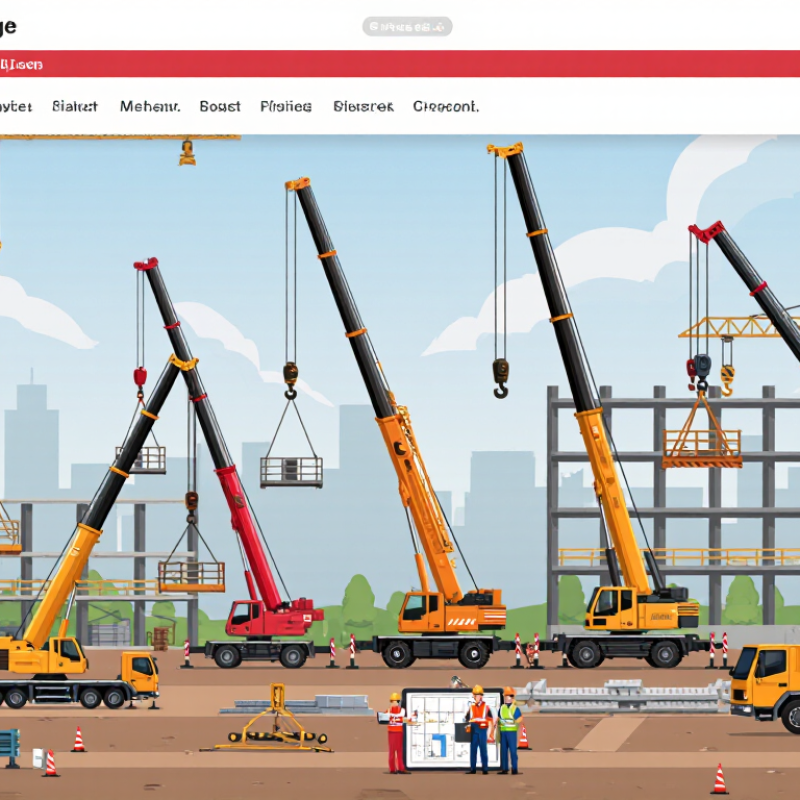
What Mobile Crane Rental Companies Provide
Mobile crane rental companies provide more than lifting equipment. They help match a crane’s capacity and boom reach to the load, working radius, and site conditions. A rental package may include delivery, assembly, an operator, rigging support, and scheduled maintenance. Before booking, customers should share load weights, lift locations, access limits, and ground conditions. A small detail matters: a crane that fits through the gate may still lack safe room to deploy its outriggers.
The American Rental Association’s 2024 Rental Market Monitor projected U.S. equipment and event rental revenue of $78.2 billion for 2024. That figure covers a broad rental sector, not crane rentals alone, but it reflects the scale of rental services and equipment logistics. For a specific lift, ask for the crane’s load chart, setup requirements, operator qualifications, and a written lift plan where appropriate. The Occupational Safety and Health Administration’s crane standard, 29 CFR 1926 Subpart CC, addresses operator qualifications, inspections, and safe operation on construction sites.
A useful provider also explains what the quote excludes, such as traffic control, site preparation, or additional rigging. Compare total job costs, not just the hourly rate. And verify timing: transport and setup can take longer than expected. Even a careful plan can miss something, so confirm site measurements before the crane arrives.
7 Best Mobile Crane Rental Companies for 2026 - What Mobile Crane Rental Companies Provide
| Crane Type | What It Typically Provides | Common Applications | Important Planning Considerations |
|---|---|---|---|
| All-terrain mobile crane | A road-capable crane designed to travel between sites and operate on a range of prepared surfaces. | Construction lifts, industrial maintenance, and projects that require travel between locations. | Confirm route access, setup space, ground bearing capacity, lift radius, and required permits. |
| Rough-terrain crane | A mobile crane configured for maneuvering and working on uneven or unpaved job sites. | Building sites, infrastructure work, and industrial locations with challenging ground conditions. | Assess access routes, soil conditions, slope, outrigger placement, and site preparation needs. |
| Truck-mounted hydraulic crane | A hydraulic crane mounted on a truck chassis, commonly used for transport between jobs and lifting at accessible sites. | Equipment placement, building materials handling, and general construction lifts. | Check road and site access, overhead obstructions, setup footprint, and the load chart at the planned radius. |
| Boom truck | A truck-based lifting option that combines a boom with a vehicle suited to transporting materials or equipment. | Roofing materials, HVAC equipment, building supplies, and deliveries requiring placement at height. | Verify boom reach, load weight, delivery access, placement accuracy, and whether a separate rigging crew is needed. |
| Carry-deck crane | A compact crane with a load-carrying deck, suited to maneuvering in confined work areas. | Indoor industrial work, plant maintenance, and lifts in restricted spaces. | Check doorway and aisle clearances, floor loading limits, ventilation requirements, and indoor operating rules. |
| Crawler crane | A tracked crane that can travel on site and is commonly assembled or configured for the lift and ground conditions. | Large construction projects, infrastructure work, and lifts requiring substantial on-site movement or reach. | Plan for transport, assembly and dismantling, ground preparation, mobilization time, and the full operating area. |
| Hydraulic truck crane | A road-going crane using hydraulic boom systems, available in configurations suited to different lift requirements. | Commercial construction, utility work, and scheduled equipment installation. | Provide the load weight, lift height, working radius, access details, and any rigging or operator requirements when requesting a quote. |
Equipment availability, capacities, included services, and rental terms vary by provider, location, and job conditions. Confirm the crane configuration and lift plan with the rental provider before booking.
Related Posts
-
How to Choose the Best Mobile Crane Rental for Your Construction Project
-
Best Mobile Crane Rental Options for Your Construction Needs in 2023
-
Why Choose Gantry Crane Rental for Your Business Needs?
-
How to Rent a Boom Truck for Your Next Project?
-
2026 Top Small Crane Rental Companies and Costs?
-
Top 10 Mobile Crane Rental Companies Leading the Industry with Market Insights