skip to Main Content

Why Choose Bucket Lift Rental for Your Project?

When a project requires work above ground, choosing the right access equipment can affect schedules, costs, and crew confidence. A bucket lift provides a stable platform for tasks such as trimming trees, maintaining lights, or repairing building exteriors. With bucket lift rental, teams can select equipment for a specific job instead of purchasing a machine they may rarely use. That matters.

Rental options vary in working height, platform capacity, reach, and power source. A compact electric lift may suit an indoor facility, while an outdoor site with uneven ground may need a different machine. Matching the lift to the task is essential. Before booking, confirm the required reach, the combined weight of workers and tools, access width, and ground conditions. Ask the rental provider about inspection records, operating instructions, delivery, and available support. Check the equipment yourself before use, and follow the manufacturer’s guidance.

Rental is not automatically the best choice. A long-term project, frequent use, or limited delivery access can change the cost and practicality. Not always. A realistic schedule, clear site measurements, and a trained operator help prevent avoidable delays. If project details are uncertain, discuss them with a qualified rental professional before selecting a model. The best choice is not simply the tallest lift or the lowest price. It is the machine that fits the work, site, and crew. That trade-off deserves careful thought.
Why Choose Bucket Lift Rental for Your Project?

What a Bucket Lift Is and How It Works

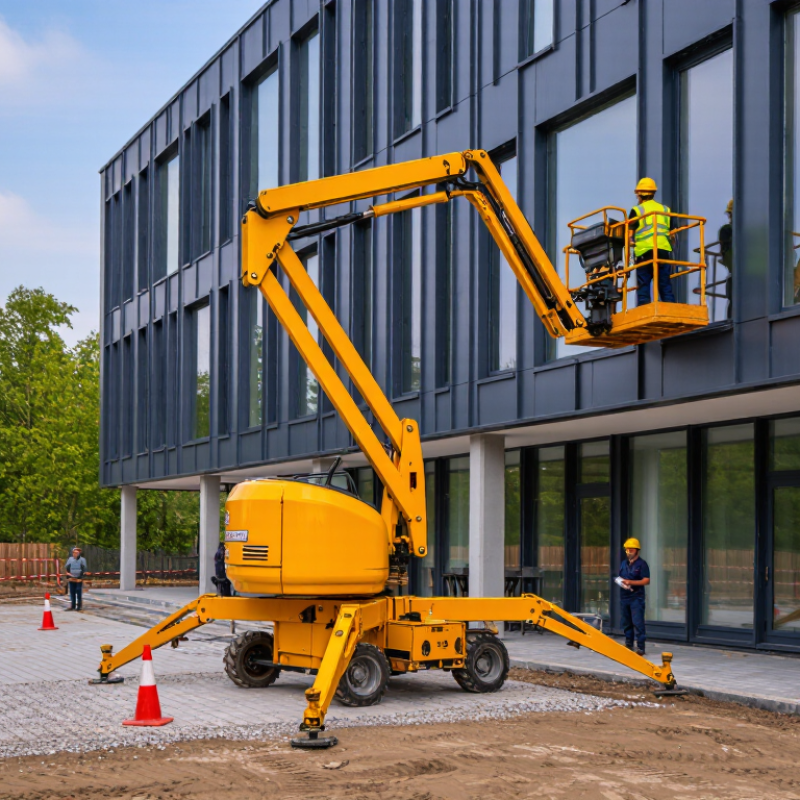
A bucket lift is a powered machine that raises a worker in a guarded platform, often called a bucket. A boom connects the platform to a wheeled or tracked base. Unlike a ladder, it can reach over obstacles and position workers beside elevated work areas. The platform may move vertically, swing, or extend outward, depending on the lift’s design. That reach is useful. It also changes how the machine must be positioned.

Most bucket lifts use hydraulic power to raise and move the boom. The operator controls movement from the platform, while some models also have ground-level controls for emergencies. Before work begins, a trained operator should check the controls, tires, platform gate, and visible hydraulic lines. The ground matters too. Soft soil, slopes, and overhead wires can affect safe operation. A level-looking surface is not always stable.

With a rental, match the lift’s working height and outreach to the actual task, not just the building height. Think about access through gates and the space needed to turn. A machine that reaches high may still fail to reach around a roof edge. Wind limits and platform capacity also matter, especially when tools or materials are carried. It is easy to overlook setup time; that is worth admitting when planning a job. Rental staff can help compare specifications, but the site conditions still need a careful check.

Projects and Tasks Suited to Bucket Lift Rental

Bucket lift rentals are useful for projects that need temporary access to elevated work areas. Common tasks include exterior painting, gutter repairs, window cleaning, lighting maintenance, and installing signs. They can also help crews inspect roof edges or reach branches during routine tree care. A stable work platform matters when workers need both hands for tools and materials.

Consider the work area before choosing a lift. Measure the required height and horizontal reach, then check whether the machine can fit through gates or around landscaping. A narrow driveway may limit access. So can soft soil. Confirm the ground is firm and level, and keep the platform’s load limit in mind. Small details matter.

For outdoor jobs, wind, overhead obstructions, and nearby traffic can change the plan. Keep clear of power lines; work near them requires qualified professionals and appropriate precautions. Review the equipment instructions, inspect the lift before use, and make sure operators are trained. Rental time can be wasted when access or reach is guessed incorrectly. It happens. A quick site walk-through, even an imperfect one, often reveals obstacles that a written work order misses.

How to Select a Lift for Site and Height Requirements

Choosing a bucket lift starts with the work area, not the machine’s advertised reach. Measure the platform height needed, then allow room for the worker, tools, and safe positioning. Do not confuse platform height with working height; rental listings may use either term. Ask the rental provider to confirm the measurement. That detail matters. On a paved warehouse floor, a compact electric lift may suit narrow aisles and reduce exhaust concerns indoors. Uneven gravel, soft soil, or a sloped driveway may require a rough-terrain model with suitable tires and stabilizers. Check the route, too. Doorways, overhead pipes, turning space, and ground conditions can all limit access.

Before booking, compare the platform capacity with the combined weight of people, tools, and materials. Review the operating manual and inspection records, and ask who will explain the controls and emergency lowering. For overhead lines or fragile paving, pause and ask a qualified site lead to assess the setup. Bucket lifts can feel stable at ground level, yet slopes and extended reach affect positioning. It is easy to underestimate setup space, and that mistake can cost time. Leave room for corrections. If the site is unusually tight, share photos and measurements with the rental provider before choosing a model.

Rental Planning: Costs, Access, and Equipment Availability

Why Choose Bucket Lift Rental for Your Project?

Rental Planning: Costs, Access, and Equipment Availability

A bucket lift rental can reduce upfront spending, but the daily rate is only part of the cost. Include delivery, pickup, fuel, operator training, and possible rental extensions in your estimate. The American Rental Association’s 2024 Rentalytics forecast projected U.S. equipment and event rental revenue of $78.7 billion, up about 7.1% from 2023. That growth signals a busy rental market, not a guarantee that a suitable lift will be available when you need it. Reserve early for seasonal work, and confirm the exact model, working height, and reach in writing.

Access details can change the equipment choice. Measure the narrowest gate, note overhead obstructions, and check whether the ground can support the machine. A lift that reaches the roof may still fail to pass a muddy entrance or fit beside stacked materials. A neat estimate can miss these details. That is worth admitting before delivery, not after.

Tips: Share site photos and measurements with the rental team. Ask about delivery windows, weather delays, and extension rates. Book early. Recheck access on the morning of delivery.

Safe Setup, Operation, and Return of a Rental Lift

Why Choose Bucket Lift Rental for Your Project?

A rental bucket lift can match the working height and access needs of a short-term project without requiring long-term storage. Before delivery, confirm the lift’s platform height, capacity, ground conditions, and access route with the rental provider. Measure narrow gates and overhead clearance. Small details matter.

At the site, follow the operator manual and inspect tires, controls, guardrails, and emergency-lowering equipment. Set the lift on firm, level ground, away from edges and overhead hazards. Use stabilizers only as directed. Keep people clear while positioning the machine, and never exceed its rated load. Slow down. Weather can change quickly, so pause work if wind or other conditions exceed the manual’s limits. Operators should be trained on that specific lift. A rushed checklist is not much of a checklist; it is worth taking another minute.

Before returning the lift, lower and secure the platform as instructed. Remove tools and debris, then note any damage or unusual behavior for the rental provider. Check the return terms for cleaning, charging, or refueling requirements. Take a few clear photos during handoff. It may feel fussy, but a careful return helps resolve questions and keeps the next setup safer.

Back To Top