What Is a Boom Truck Rental and How Does It Work?
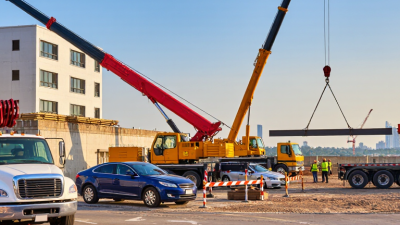
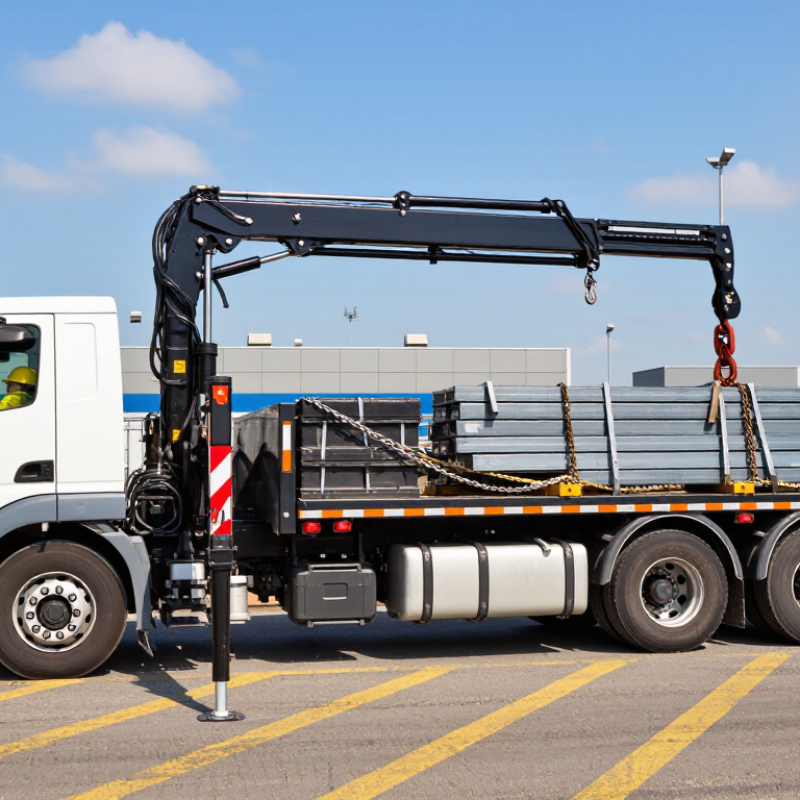
A boom truck rental combines a truck-mounted crane with a hydraulic boom and, in some models, an aerial work platform. It can lift materials, position equipment, or raise trained workers near elevated work areas. Picture a flatbed arriving with outriggers folded, steel components secured, and a boom resting above the cab.
The rental process usually begins with a site review. You identify the required lifting height, reach, load weight, ground conditions, and available clearance. The rental company then recommends a suitable truck, confirms delivery access, and explains operating procedures. Before work begins, the crew should inspect tires, controls, outriggers, hooks, chains, and warning systems. The load chart matters. So does the weather.
Patrick Kapust, a former OSHA official and workplace-safety authority, states, “Only trained and authorized workers may operate an aerial lift.” That principle applies directly to safe boom truck rental decisions. A machine may look straightforward, but small errors can create serious instability. A sloped driveway, a hidden utility line, or an underestimated load can change the entire plan.
This guide explains what a boom truck rental includes, how pricing and scheduling commonly work, and which questions deserve attention before signing an agreement. It also examines operator qualifications, delivery conditions, equipment limits, and practical safety checks. Some rental descriptions sound more certain than real job sites allow. That is worth questioning. The right truck is not always the largest one. It is the machine that matches the load, reach, terrain, crew, and work plan with measurable confidence.
What Is a Boom Truck Rental?
A boom truck rental is a truck-mounted aerial lift with a hydraulic boom and work platform. It combines transportation and elevated access in one machine. The boom may telescope outward or articulate around obstacles. Crews commonly rent it for tree work, building maintenance, utility tasks, and construction installation.
The rental process starts with a site review. Consider working height, horizontal reach, ground strength, overhead lines, and access width. The rental provider then matches the task with a suitable capacity and platform type. Delivery follows, but the customer remains responsible for jobsite controls. Operators need documented training, pre-use inspections, and fall protection where required. IPAF’s 2024 Global Safety Report recorded 118 powered-access fatalities in 2023 across 20 countries. That number is difficult to ignore. A rented machine still demands disciplined planning.
Tips: Measure twice. Check the surface. Confirm the machine’s rated capacity, not only its maximum reach. Inspect tires, outriggers, controls, emergency lowering systems, and harness points before use. Keep the platform clear of loose tools. Never treat wind as a minor detail. Manufacturer limits can change the safe working height quickly. A common field mistake is choosing reach first and stability second. That decision may look efficient, but it can create expensive delays and serious exposure. Ask for the inspection record and operating manual before signing. Availability matters, yet suitability matters more.
| Data Dimension | Typical Information | How It Applies to a Rental |
|---|---|---|
| Definition | A boom truck is a truck-mounted vehicle fitted with a hydraulic lifting boom, crane, or aerial work platform. | The rental provides temporary access to lifting or elevated-work equipment without purchasing a vehicle. |
| Common Boom Types | Telescopic booms extend in sections; articulating booms bend at one or more joints; bucket trucks use an aerial platform or bucket. | The selected type depends on whether the job requires material lifting, vertical access, or movement around obstacles. |
| Typical Working Height | Many rental units provide approximately 40–135 feet of platform or working height, depending on the equipment class. | The required height should be measured from the ground to the actual work area, not only to the building roofline. |
| Typical Lifting Capacity | Small units may lift several hundred pounds, while larger truck cranes can lift several tons. Capacity decreases as the boom reaches farther from the truck. | The load weight, distance from the vehicle, boom angle, and ground conditions must be checked against the manufacturer’s load chart. |
| Typical Applications | Roofing, construction, utility maintenance, tree work, sign installation, lighting maintenance, and positioning materials at height. | A boom truck is useful when a standard forklift, ladder, or fixed crane cannot safely reach the work location. |
| Rental Periods | Rental periods commonly include hourly, daily, weekly, and monthly options. | Longer rental periods may reduce the average daily rate, but transportation, fuel, operator, and damage-waiver charges can be separate. |
| Operator Options | The equipment may be rented as self-operated equipment or with a trained operator, depending on the rental terms and local requirements. | An operator-assisted rental can be appropriate for lifting work that requires qualified personnel and documented site planning. |
| Site Requirements | The site generally needs firm, level ground, adequate access width, sufficient overhead clearance, and space for stabilizers or outriggers. | Before delivery, check slopes, underground utilities, overhead power lines, traffic controls, and the truck’s turning radius. |
| Basic Rental Process | Define the task, select the equipment, confirm availability, review the rental agreement, arrange delivery, complete the safety inspection, and return the unit. | Accurate job details help match the truck’s height, reach, capacity, access requirements, and operating method to the project. |
| Main Cost Factors | Equipment size, rental duration, delivery distance, operator service, fuel use, permits, insurance, and optional damage protection affect the total price. | A written quotation should identify base rental charges and any additional fees before the equipment arrives. |
| Safety Checks | Inspect tires, controls, hydraulic lines, emergency systems, harness points, outriggers, load charts, and warning labels before operation. | Operators should follow the equipment manual, maintain required clearances, respect rated capacity, and use fall protection where required. |
How Does a Boom Truck Work?
A boom truck combines a truck chassis, hydraulic lifting system, and mounted boom. The boom extends upward and outward from a rotating platform. A trained operator controls its movement from the ground or an onboard station. Hydraulic cylinders create the lifting force. Stabilizer outriggers spread the load and help keep the truck balanced.
When the operator raises the boom, hydraulic pressure moves the cylinders through controlled valves. The platform can rotate, while the boom changes angle and reach. A bucket may carry workers, or a hook may lift materials. The truck’s load chart shows safe capacities at different distances. A heavier load becomes more difficult as the boom extends. This detail is easy to underestimate. Even experienced crews can misjudge wind, ground strength, or the load’s center of gravity.
Tips: Inspect the truck, controls, tires, and hydraulic lines before use. Place outriggers on firm, level ground with suitable pads. Check overhead lines and nearby structures before positioning the boom. Keep workers outside the swing area. Never exceed the rated capacity or rely on appearance alone. Weather can change quickly, and a calm morning may not remain calm. Ask the rental provider for operating guidance when controls or load charts seem unfamiliar. A short briefing can prevent a costly mistake.
What Is a Boom Truck Rental and How Does It Work?
How Does a Boom Truck Work?
A boom truck combines a truck chassis with a hydraulically operated boom. The boom rotates and extends to lift materials or position workers. This chart shows how the theoretical horizontal reach of a fixed 60-foot boom changes as its operating angle increases.
The values are calculated using the horizontal-reach relationship: reach = boom length × cosine of the boom angle. Actual rental capacity and reach also depend on the load chart, truck stability, boom extensions, ground conditions, and manufacturer limits.
What Types of Boom Trucks Can You Rent?
What Is a Boom Truck Rental and How Does It Work?
A boom truck rental provides a truck-mounted lifting arm for temporary work. The vehicle usually arrives with a trained operator or clear operating instructions. The best rental depends on the task, working height, load weight, and ground conditions. A longer boom is not always better. Excess reach can reduce lifting capacity and stability.
What Types of Boom Trucks Can You Rent?
Bucket trucks, also called aerial lift trucks, carry workers in an enclosed platform. They suit tree trimming, exterior repairs, sign installation, and utility maintenance. Telescopic boom trucks extend in a straight line and offer precise vertical reach. They work well beside buildings or over open areas. Articulating boom trucks use several hinged sections. Their jointed design helps workers reach around roofs, walls, and other obstacles.
Material-handling boom trucks use a crane-style arm to lift equipment, pipes, or construction materials. They are not automatically suitable for carrying people. Always confirm the machine’s approved purpose. Knuckleboom trucks fold into a compact shape and often help load or unload materials from the truck bed. They can be useful in tight spaces, but their lifting chart requires careful attention.
Before renting, check the maximum load at the required reach. Check the ground. Soft soil, slopes, and overhead lines can change the plan. Ask for inspection records, operating limits, and operator qualification requirements. A common planning mistake is measuring height but ignoring side clearance. That choice can create delays. Personally, I would rather choose a slightly smaller truck with clear capacity than rely on optimistic estimates.
How to Choose the Right Boom Truck for a Job
A boom truck combines a truck chassis with a hydraulic boom, allowing workers or materials to reach elevated areas. Rental companies usually deliver the vehicle, provide basic instructions, and charge by time, usage, or both. The right choice depends on the job, not just the truck’s lifting height.
Start by measuring the required working height and horizontal reach. Add space for the worker, tools, and materials. Check the truck’s rated capacity at that exact reach, because lifting power often decreases when the boom extends. A platform lift suits personnel work, while a knuckle boom may handle materials more effectively. Do not assume one model can safely perform both tasks.
Study the worksite before booking. Narrow gates, low branches, soft soil, overhead lines, and sloped ground can make a suitable truck unusable. Measure access points carefully. Ask about stabilizer width, turning radius, and ground pressure. A qualified operator may also be necessary, depending on the equipment and local requirements. Request inspection records, emergency controls, and maintenance details from the rental provider. Small details matter.
Weather deserves attention. Wind can affect platform stability and load control, even when the forecast seems mild. I would rather choose extra capacity than operate at the limit. Still, more capacity can mean a larger truck, higher costs, and difficult access. The best decision balances reach, load, terrain, operator skill, rental duration, and the site’s real constraints. Some planning errors only become obvious after delivery.
What Are the Main Rental Costs and Safety Requirements?
What Is a Boom Truck Rental and How Does It Work?
A boom truck combines a truck chassis with a hydraulic crane or aerial platform. Rental pricing depends on reach, lifting capacity, location, and rental duration.
Recent EquipmentWatch rental-rate benchmarks commonly place basic boom truck hire near $500–$1,200 per day. Larger units may exceed $2,000 daily.
Delivery, fuel, operator labor, insurance, damage waivers, and overtime can increase the invoice. A weekly rate may appear cheaper, but transport charges can quietly change the calculation.
Safety costs more than convenience.
OSHA 1926.1407 and 1926.1408 require planning around overhead power lines, including minimum clearance controls. OSHA 1926.453 also addresses aerial lift use, inspections, and worker protection. ANSI A92.2-2021 provides additional design and operating guidance for vehicle-mounted elevating platforms.
OSHA’s construction fatality data show that falls, struck-by incidents, electrocution, and caught-in hazards remain major risks. A truck parked on soft gravel can look stable and still shift under load. That detail is easy to underestimate.
Tips:
A spotter is useful, but a spotter cannot replace a documented lift plan. I would also price delivery separately; rental advertisements often make this unclear. Never rely on yesterday’s site measurements. Slope, traffic, and overhead hazards may have changed.
Related Posts
-
2026 Top Boom Truck Rental Types for Global Buyers
-
Top 10 Lift Rental Services for Your Construction Projects?
-
How to Choose the Best Towable Boom Lift Rental?
-
2025 Top 5 Aerial Lift Rental Companies You Need to Know
-
What is a Machinery Movers Guide for Global Buyers?
-
7 Cherry Picker Rental Tips for Global Buyers