skip to Main Content

7 Best Towable Boom Lift Rental Options for Global Buyers?

Choosing the right towable boom lift rental can shape project costs, site safety, and schedule reliability. Global buyers often compare reach, platform capacity, towing weight, power source, and transport support. A compact unit may fit through a narrow gate, while a larger model can reach upper façades without frequent repositioning. Small details matter. Tyre condition matters.

Market evidence supports careful equipment selection. Fortune Business Insights valued the global aerial work platform market at approximately USD 10.49 billion in 2023. Its report projects continued growth through 2032, driven by construction, maintenance, and infrastructure investment. Estimates differ between research firms because market definitions vary. That uncertainty deserves attention.

Safety must remain central. The International Powered Access Federation’s Global Safety Report highlights planning, operator training, pre-use inspections, and emergency rescue procedures. These requirements influence rental value, not just compliance. Buyers should request inspection records, operator guidance, delivery terms, and breakdown response times before signing. A low daily rate can become expensive when a machine arrives late or lacks suitable attachments.

This guide reviews seven towable boom lift rental options for international buyers. It compares working height, horizontal outreach, basket capacity, towing practicality, battery or engine configuration, and supplier support. The best option is rarely the newest machine. It is the unit that matches the worksite, crew skill, terrain, and transport plan.

Still, no shortlist replaces a site assessment. Wind exposure, overhead power lines, ground conditions, and local access restrictions can change the decision. The final choice should combine manufacturer specifications, rental-company expertise, and documented safety practices. That approach is more reliable than trusting a headline price alone.
7 Best Towable Boom Lift Rental Options for Global Buyers?

Understanding Towable Boom Lifts and Their Main Rental Applications

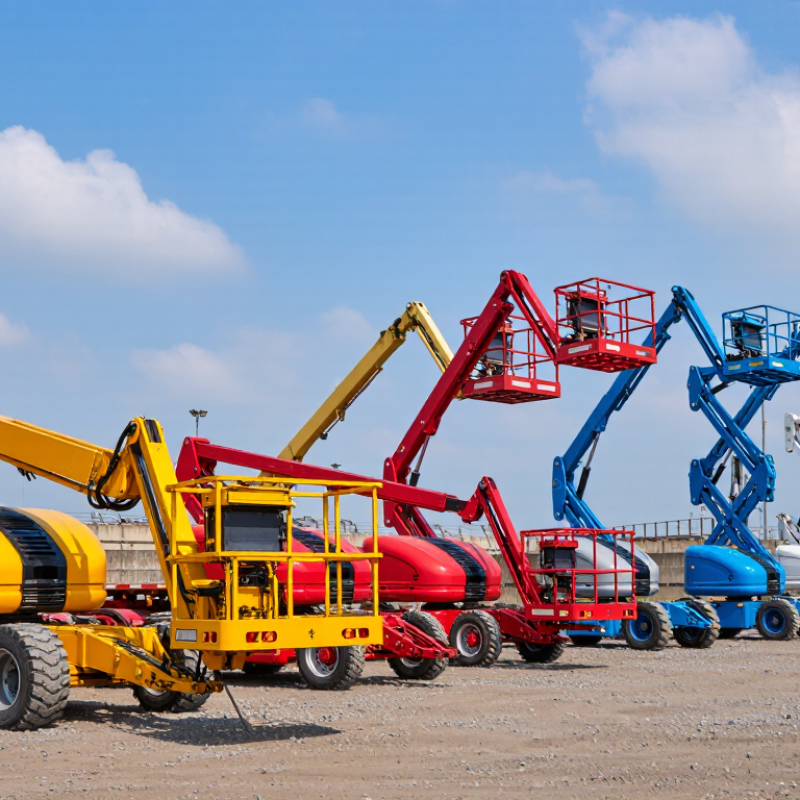
Towable boom lifts combine compact transport with useful aerial reach, making them practical for many temporary work sites. Their trailer design allows contractors to move them between buildings without using a large delivery truck. Common rental applications include roof repairs, exterior painting, sign installation, tree maintenance, warehouse lighting, and event preparation. Electric models suit indoor or quiet areas, while engine-powered units may handle rougher outdoor conditions. Platform height matters, but horizontal outreach can determine whether the machine actually reaches the work area.

Tips: Check the required height, outreach, platform load, and ground conditions before booking. Measure gates, driveways, and storage spaces carefully. Measure twice. Ask about delivery equipment, hitch requirements, braking systems, and regional operating rules. Request recent inspection records and confirm that emergency lowering controls work properly. Operators should receive suitable training and review the manual before use. Wet soil, strong wind, and uneven paving can change a safe plan quickly.

Experienced rental teams also examine the lift’s age, battery condition, tire wear, outrigger pads, and maintenance history. A clean machine is encouraging, but appearance alone proves little. I have seen planning focus too heavily on platform height while ignoring limited side reach. That mistake can cause delays and extra rental days. Global buyers should compare technical data, service support, replacement procedures, and insurance requirements rather than choosing by daily price alone. A towable lift is not automatically suitable for every vehicle, surface, or climate.

Seven Leading Towable Boom Lift Rental Options for Global Buyers

Seven Leading Towable Boom Lift Rental Options for Global Buyers

Global buyers usually compare seven towable boom lift options: compact electric, hybrid, diesel, articulating, telescopic, tracked, and low-clearance models. Each suits a different worksite. Electric units fit indoor maintenance and reduce local emissions. Hybrid machines offer better flexibility across mixed sites. Diesel models handle rough outdoor ground, while articulating booms reach around obstacles. Telescopic booms provide longer horizontal reach. Tracked units improve stability on soft surfaces. Low-clearance models work beneath doors, ceilings, and service structures.

The International Powered Access Federation reported 2023 global rental activity through its market reports, showing continued demand for powered access equipment. Its safety reporting also recorded thousands of serious incidents involving mobile elevating work platforms. That data makes operator training and daily inspections essential. EN 280 and local safety rules should guide equipment selection, but requirements differ by country. Check towing weight, braking systems, platform load, working height, and transport width before booking. A 12-metre lift may sound sufficient. Obstacles can quickly reduce its practical reach.

Tips: Ask for recent inspection records, service history, and ground-pressure information. Confirm the towing vehicle’s legal capacity locally. Request delivery photos, not only catalogue images. Battery life estimates can be optimistic in cold weather. I have seen rental plans fail because users measured platform height, not working height. Leave a margin for uneven ground, tools, and wind. Keep a backup option available when project timing is critical.

7 Best Towable Boom Lift Rental Options for Global Buyers? - Seven Leading Towable Boom Lift Rental Options for Global Buyers

Option Typical Rental Configuration Platform Height Working Height Maximum Outreach Rated Platform Capacity Typical Machine Weight Usual Towing Requirement Best Rental Applications Typical Power Arrangement
1 Compact towable boom lift 8–10 m 10–12 m 5.5–7 m 120–200 kg 1,000–1,400 kg 1,500 kg braked trailer rating Indoor maintenance, small warehouses, residential work and narrow access areas Electric or battery drive with auxiliary petrol engine
2 Standard 12 m towable boom lift 10–12 m 12–14 m 6.5–8 m 200 kg 1,300–1,700 kg 1,800–2,000 kg braked trailer rating General building maintenance, lighting, signage and tree-care preparation Battery-electric with mains charging and engine backup
3 14 m articulated towable boom lift 12–14 m 14–16 m 7.5–9 m 200–230 kg 1,500–2,000 kg 2,000–2,500 kg braked trailer rating Work requiring upward-and-over access, façade inspection and industrial maintenance Battery-electric, hybrid or petrol-assisted hydraulic system
4 16 m long-reach towable boom lift 14–16 m 16–18 m 8–10 m 200–250 kg 1,800–2,300 kg 2,500–3,000 kg braked trailer rating High-level exterior repairs, construction finishing, airport and facility maintenance Diesel or petrol hydraulic power with electric site mode
5 17–18 m heavy-duty towable boom lift 16–18 m 18–20 m 9–11 m 200–250 kg 2,000–2,500 kg 3,000 kg or higher braked trailer rating Commercial construction, warehouse exteriors, bridge inspection and utility support Engine-driven hydraulic system with optional electric operation
6 Low-emission electric towable boom lift 10–14 m 12–16 m 6.5–9 m 200 kg 1,400–2,100 kg 2,000–2,500 kg braked trailer rating Indoor projects, hotels, hospitals, schools and low-noise urban work Rechargeable battery with 110–240 V charging compatibility
7 Rough-terrain towable boom lift 12–16 m 14–18 m 7–10 m 200–250 kg 2,000–2,800 kg 3,000 kg or higher braked trailer rating Uneven construction sites, landscaping, agricultural facilities and remote maintenance Diesel or petrol hydraulic system; some units include battery mode

Note: Specifications are typical rental-market ranges for towable articulated boom lifts. Actual dimensions, capacities, towing limits and operating requirements vary by configuration, local regulations, terrain and attachment selection.

Comparing Lift Height, Reach, Capacity, Power, and Transport Features

Choosing among seven towable boom lift rental options requires more than comparing advertised height. A 40-foot model may suit indoor maintenance, while a 60-foot unit offers greater access around trees, warehouses, or construction façades. Check both platform height and horizontal outreach. A machine reaching 35 feet upward may extend only 25 feet outward.

Capacity affects every decision. Include workers, tools, harnesses, and materials in the platform load. Many rental users underestimate equipment weight. A 500-pound capacity can disappear quickly with two workers and a compact tool set.

Articulating booms improve access around obstacles, while telescopic booms usually provide straighter, longer reach. Neither design wins every job.

Power and transport features can change the rental cost. Battery-powered units reduce noise and exhaust, making them practical for enclosed or noise-sensitive areas. Engine-powered models may handle extended outdoor work better, but fuel planning matters.

Examine towing weight, hitch compatibility, brake requirements, tire condition, and stabilizer setup before collection. I have seen crews lose time because the lift fit the task but not the trailer. That mistake is avoidable. Turning radius and storage width deserve attention too. Specifications can vary with battery size, platform configuration, and local safety equipment, so confirm the current rental sheet and request an on-site demonstration when the work is complex.

How to Choose the Right Towable Boom Lift Rental by Project Needs

Choosing the right towable boom lift rental starts with the worksite, not the rental yard. Measure required platform height and horizontal outreach carefully. A 45-foot lift may reach high enough, yet fail to clear a roof edge or tree canopy. Check the platform capacity, machine width, towing weight, and vehicle rating. Narrow gates and soft ground can quickly change the best option.

Surface conditions matter. Compact towable models suit paved sites, warehouses, and light landscaping tasks. Rougher ground may require larger tires, stabilizers, or a different access platform. Battery power can reduce noise indoors, while engine-powered units may perform better during long outdoor shifts.

Ask for recent inspection records, emergency-lowering checks, and operator guidance. Do not accept vague answers.

Safety deserves measurable attention. The 2024 Global Safety Report recorded 118 powered-access fatalities during 2023, with falls, overturns, and entrapment among major causes. That figure makes setup quality more important than a low daily rate. A common field mistake is choosing by maximum height alone. I would also review wind exposure, overhead lines, ground loading, and the towing route. The 2024 equipment rental industry forecast placed U.S. rental revenue near 80 billion dollars, showing how widely rental access is used. Still, availability does not equal suitability. A perfect checklist can miss a sloped driveway or an awkward landing point. Walk the route before booking.

Global Rental Costs, Safety Standards, Delivery, and Contract Considerations

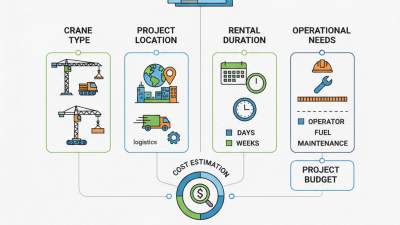
Global buyers should compare towable boom lift rentals by total cost, not daily price alone. A compact electric model may suit indoor maintenance and quiet urban work. A diesel unit offers stronger reach for rough outdoor surfaces. Articulating options help workers access roof edges, trees, and irregular structures. Rental rates often depend on lift height, location, season, and rental duration. Ask for a written quote covering tax, insurance, fuel, cleaning, and damage deposits. Currency changes can also affect the final amount.

Safety documentation deserves careful attention. Request inspection records, load charts, emergency lowering instructions, and operator training requirements. Equipment should match applicable local rules and recognized standards, such as ANSI or EN requirements. However, standards are not identical everywhere. Confirm acceptance with the worksite manager or local safety authority. Check the tires, outriggers, harness points, alarms, and control panel before signing delivery paperwork. Small defects become expensive delays.

Delivery planning is often overlooked. Measure gate widths, confirm towing access, and identify a firm unloading surface. Ask whether transport includes pickup, setup, and collection. The contract should state working hours, weather delays, breakdown response, replacement equipment, and repair liability. Clarify who pays for lost keys, tire damage, or unauthorized relocation. A cheap contract may hide strict penalties. I have seen comparisons focus too heavily on reach and price. That approach needs reconsideration. Availability, technical support, and clear responsibilities can matter more than a small daily saving.

Back To Top