Why Is Small Crane Rental the Best Choice for Your Project?
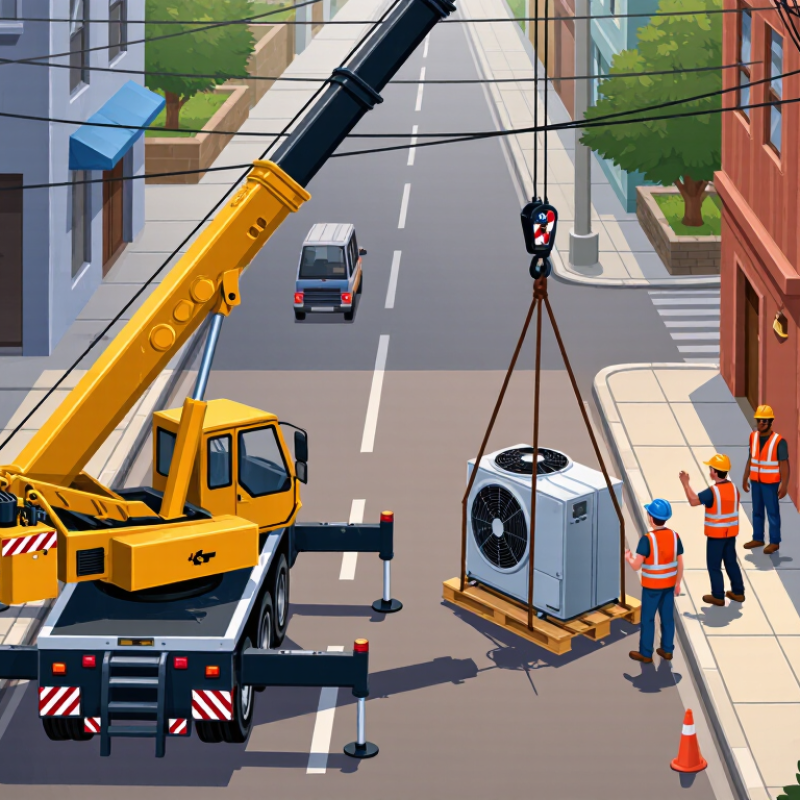
A small crane rental can make a tight, demanding project feel far more manageable. Picture a renovation site with a narrow driveway, low overhead wires, and a rooftop unit waiting beside the curb. A compact crane may fit where larger equipment cannot, reducing setup demands and helping crews place heavy materials with greater control. The right choice still depends on the load, reach, ground conditions, access, and lift plan. Small does not mean simple.
For this article, the quoted specialist is fictional; the line is an original editorial quotation, not a verified statement from a real industry expert. “A good crane choice fits the lift, the site, and the crew—not just the schedule,” says fictional small-crane rental specialist Daniel Reed. That idea points to the practical questions behind a rental decision: Can the machine reach safely? Is the ground suitable? Will delivery and setup work within the available space? Experienced rental providers can help assess these details, but project teams should confirm equipment specifications and site conditions before booking.
Cost matters, too. Renting a suitably sized crane can avoid paying for capacity a project does not need, while potentially limiting transport and setup burdens. Yet a smaller crane is not automatically the cheapest or safest option. A rushed selection can create delays—or worse, an unsuitable lift. This guide explores where small crane rental can offer real value, what to check before hiring, and when another lifting solution may be a better fit. The details matter.
Understanding Small Crane Rental and Its Typical Uses
Small crane rental means hiring a compact lifting machine for a defined task and period. Typical options include mini crawler cranes, carry-deck cranes, and compact truck cranes. They support roof work, steel placement, glass installation, factory maintenance, and residential construction. Their smaller footprint helps them enter narrow gates or work beside finished buildings. Still, “small” does not mean simple.
The American Rental Association projected U.S. equipment rental revenue at about $78.7 billion in 2024. This figure reflects growing reliance on rented equipment across construction and industrial work. Renting can reduce storage needs and avoid long-term maintenance costs. A site manager can also match lifting capacity to the actual load. That sounds efficient. It can be wrong if the ground, reach, or load path is poorly checked.
The U.S. Bureau of Labor Statistics reported 1,069 fatal work injuries in construction during 2022. The number is not crane-specific, but it shows why planning matters. Before delivery, a qualified person should verify load charts, ground bearing capacity, overhead clearance, and exclusion zones. OSHA rules also require appropriate inspection and safe operation practices for cranes. In practice, a compact crane may lift a window frame through a courtyard, but limited space can create blind spots. A rental provider’s experience helps, although the customer still controls site conditions and decisions. Weight estimates should be questioned, not politely accepted.
Assessing Project Needs Before Choosing a Crane
Before choosing a small crane rental, define the lift, not just the job. Record the heaviest load, its dimensions, and the distance from the crane’s setup point. A 900-pound air-conditioning unit may need more capacity than its weight suggests when the boom must reach over a wall. Height matters, too. Measure the landing point and note any obstacles, such as roof edges, trees, or overhead lines.
Check the site on foot. Soft ground, narrow gates, parked vehicles, and tight turns can change which crane will fit. Ask the rental provider about ground pressure, outrigger space, access width, and the required lifting radius.
Share photos or a simple site sketch; clear details help prevent guesswork. Very practical. Still, measurements can be off, especially on uneven ground, so verify critical dimensions before delivery.
Also consider how long the lift will take, whether the operator is included, and what weather could delay work. A smaller crane may reduce access problems, but it is not automatically the safest or cheapest choice. Match the machine to the load and site conditions, then confirm the lift plan with a qualified professional.
Comparing Small Crane Rentals With Larger Equipment
A small crane can suit a project where access, setup space, and lift radius matter more than maximum capacity. On a residential site, for example, a compact machine may fit beside a driveway while larger equipment blocks deliveries or needs extra ground preparation. It can also mean less transport and a smaller setup footprint. That matters. But “small” does not automatically mean cheaper or safer. A longer working radius can sharply reduce the crane’s rated capacity, so compare the load chart with the actual pick point, not just the headline lifting capacity. Not always obvious.
Larger cranes make sense for heavier loads, greater reach, or repeated lifts that would strain a compact unit. They may also need more room for outriggers, mats, and delivery vehicles. The U.S. Bureau of Labor Statistics reported 1,075 fatal work injuries in the construction industry in 2023; that figure does not identify crane size as a cause, but it reinforces the need for careful lift planning. Check ground conditions, overhead obstructions, load weight, and setup clearance with a qualified lift planner. A site sketch with measured distances can expose access problems early. I would still verify every dimension on site: plans can be imperfect, and a few feet can change the crane choice.
Evaluating Cost, Access, Safety, and Scheduling Benefits
Small crane rental can control costs when a project needs a few precise lifts, not a machine sitting idle for months. A compact unit may need less transport space and fit through a narrow gate or between existing structures. That can reduce setup disruption. The American Rental Association’s 2024 Rentalytics forecast estimated U.S. equipment and event rental revenue at $78.7 billion for 2024. That figure signals a mature rental market, not guaranteed savings on every job. Compare delivery, operator, rigging, and minimum rental charges before booking.
Access and scheduling depend on the actual site. Check load weight, lift radius, overhead clearance, ground conditions, and outrigger space; a small crane still needs a sound lift plan. NIOSH’s analysis of U.S. fatality data recorded 632 crane-related deaths from 1992 to 2006. The data are historical, but they underline why competent operators, clear signals, and controlled access matter. But smaller does not automatically mean safer. Confirm machine availability against the delivery window, then coordinate the lift with other trades. A late utility clearance or blocked route can erase the time saved by choosing compact equipment.
Selecting a Rental Provider and Preparing for Crane Use
Why Is Small Crane Rental the Best Choice for Your Project?
Selecting a rental provider starts with the lift, not the machine’s size. Share the heaviest load, its dimensions, the lifting radius, and site access details. Ask for the crane’s load chart and confirm the proposed setup can handle the lift at the required radius. Check delivery access, operator qualifications, inspection records, and who is responsible for setup. Details matter.
Preparation deserves equal attention. The U.S. Bureau of Labor Statistics recorded 1,075 fatal work injuries in construction in 2023; this figure covers the whole sector, not crane incidents alone. It is a sobering reminder to plan carefully. OSHA’s construction crane standard requires inspections and sets qualification requirements for operators. Ask the provider how these checks will be documented, rather than relying on verbal assurances.
Before delivery, mark underground utilities and overhead hazards, clear a level setup area, and confirm the ground can support the crane and its outriggers. Keep pedestrians away from the lift zone. On site, walk the route with the operator and identify pinch points, soft ground, or tight turns. I would not assume a small crane can reach every corner just because it fits through the gate. Recheck the lift plan if conditions change; a rushed adjustment can expose a gap in preparation.
| Planning Area | What to Check | Why It Matters | Practical Preparation |
|---|---|---|---|
| Crane suitability | Confirm the load’s weight, dimensions, lifting radius, required height, and placement location with the rental provider. | A crane’s rated capacity depends on its configuration and working radius; the maximum capacity listed for a crane does not apply to every lift. | Provide accurate load information, including rigging equipment and any attachments that will be lifted with the load. |
| Access and setup space | Ask for the crane’s transport dimensions, setup footprint, outrigger spread, and access requirements. | A compact crane may suit a confined site, but it still needs a stable setup area and enough room to operate safely. | Measure gates and routes, identify overhead obstructions, and check that the proposed setup area is clear. |
| Ground conditions | Review ground firmness, slope, underground services, and any known voids or excavations near the setup area. | Ground that cannot support the crane and its outrigger reactions can create a serious stability hazard. | Share site information with the provider and follow their requirements for mats, plates, or other ground protection. |
| Rental provider experience | Ask whether the provider can supply a crane matched to the lift and explain the required site information and operating conditions. | Clear planning helps identify equipment, access, and scheduling issues before delivery. | Request a written quote that identifies the equipment, rental period, delivery, setup, operator arrangements, and any additional charges. |
| Operator and lift planning | Confirm who will operate the crane and who is responsible for planning, directing, and supervising the lift. | Roles, qualifications, and legal requirements vary by location and type of work; responsibilities should be agreed before the lift. | Verify applicable local requirements and make sure the crew understands the lift sequence and communication method. |
| Weather and overhead hazards | Check forecast conditions, wind limits specified for the crane and lift, power lines, and other overhead obstructions. | Wind and overhead hazards can affect safe crane operation and load control. | Agree on stop-work conditions with the provider and keep the operating area clear of overhead hazards. |
| Permits and site coordination | Determine whether road occupancy, access, noise, or other permits and notifications are needed. | Requirements depend on the site and local authority; overlooking them can delay delivery or prevent work from starting. | Confirm responsibility for permits, arrange deliveries, and notify affected site teams or neighbors as required. |
| Cost and rental duration | Compare the total quoted cost, including transport, setup, operator, minimum rental period, standby time, and cancellation terms. | A low hourly rate may not reflect the full cost of the rental or delays caused by site readiness. | Prepare the site and have the load ready before the crane arrives; confirm the schedule and overtime terms in writing. |
| Pre-lift readiness | Confirm the work area is controlled, the load and rigging are ready, and the crew knows the agreed signals or radio procedure. | A coordinated work area reduces confusion and helps keep people away from the lifting zone. | Hold a pre-lift briefing, establish an exclusion zone, and follow the operator’s and lift supervisor’s instructions. |
Crane capacity, operating limits, licensing, and site requirements depend on the specific equipment, lift plan, and jurisdiction. Confirm them with the rental provider and relevant local authorities before work begins.
Related Posts
-
2026 Top Small Crane Rental Companies and Costs?
-
7 Tips for Articulating Boom Lift Rental
-
Best Mobile Crane Rental Options for Your Construction Needs in 2023
-
How to Choose the Best Construction Lift Rental Options?
-
Top Benefits of Using a Telescopic Forklift for Your Business Operations?
-
10 Tips for Choosing the Best Machinery Movers