skip to Main Content

How to Choose the Right Lift Machine Rental?

Choosing the right lift machine rental starts with the work, not the equipment catalog. A machine that looks suitable in a yard may struggle in a narrow aisle or on soft ground. Picture the jobsite: a low doorway, overhead pipes, and workers carrying tools. These details shape the safest, most practical choice.

An illustrative lift-equipment specialist, Daniel Mercer, puts the guiding principle this way: “Match the lift to the task, the access route, and the ground—not just the daily rate.” Use that as a prompt, not a substitute for a qualified assessment. Check the required working height and outreach, platform capacity, indoor or outdoor use, floor conditions, and available power. Include workers, tools, and materials when estimating the load. Small oversights matter.

Then compare rental terms and support. Ask what delivery, pickup, operator familiarization, maintenance, and replacement arrangements include. Confirm that the machine can pass through site entrances and reach the work area before booking. A few measurements can prevent a costly mismatch. This guide explains how to assess lift types, site conditions, safety needs, and rental costs. The best lift machine rental is not necessarily the biggest or cheapest. It is the one suited to the job, the site, and the people using it. If a specification is unclear, pause and ask the rental provider to clarify it. That extra check is worthwhile.
How to Choose the Right Lift Machine Rental?

Define the Lift Machine and the Work Requirements

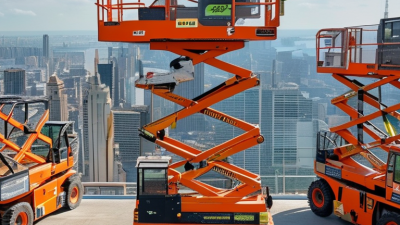
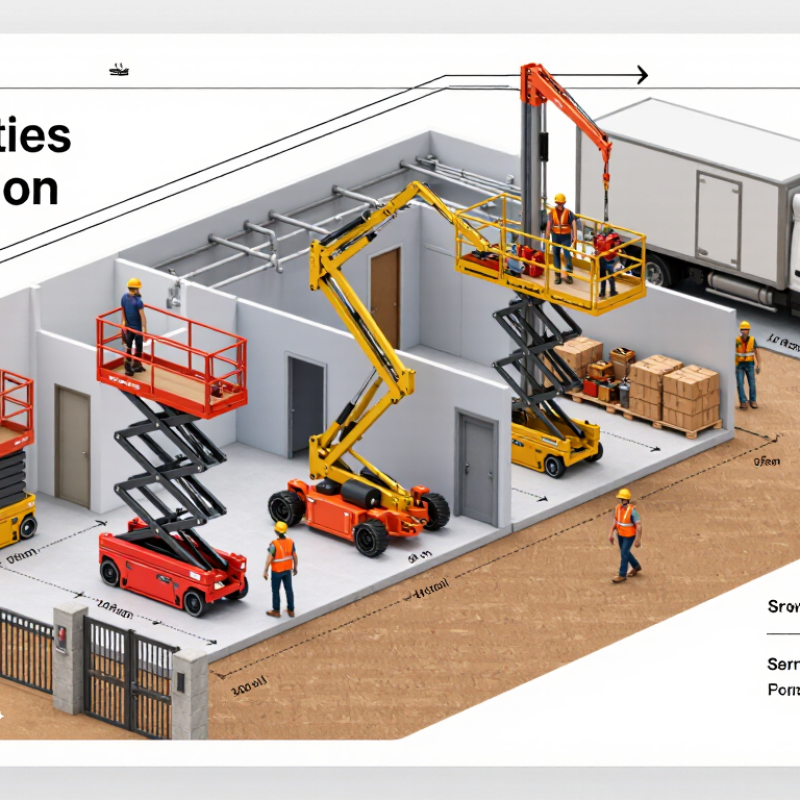
Before comparing rental rates, define the lift machine you actually need. A mobile elevating work platform (MEWP) may be a scissor lift for straight-up indoor access, a boom lift for reaching over obstacles, or a compact mast lift for narrow aisles. Names can mislead. Check the required platform height, horizontal reach, and access route—not just the advertised working height. Measure doorways, ceiling clearance, and the distance from the machine’s parking position to the task. A machine that reaches the work area on paper may not fit around a pipe rack or across a crowded floor.

Then describe the work itself. Record the number of workers, tools, and materials; their combined weight must remain within the platform’s rated capacity. Note ground slope, floor loading, overhead hazards, wind exposure, power availability, and how long the lift will be used. These details affect machine type and safe operating limits. The International Powered Access Federation’s 2024 Global Safety Report recorded 100 fatalities across 84 reported incidents in 20 countries during 2023. The figures reflect reported data, not every incident worldwide, but they underline why task planning matters. Measure twice. A tidy checklist can still miss a low beam or soft patch of ground, so walk the route before requesting a rental.

Match Machine Types to Height, Capacity, and Site Conditions

Match the lift to the work height, not just the building’s roofline. Measure twice. A scissor lift suits straight-up work on firm, level floors, such as installing lights across a warehouse aisle. For tasks above obstacles, a boom lift’s outreach can reduce repositioning, but confirm both platform height and horizontal reach in the rental specifications. Working height and platform height are not the same.

Capacity includes workers, tools, and materials. Add their weights before choosing a model, and leave room below its rated limit. Not just height. Check doorways, turning space, floor loading, slopes, soft ground, and overhead obstructions such as beams or power lines. A rough outdoor surface may require a machine designed for that terrain; tires alone do not make a lift suitable. The U.S. Bureau of Labor Statistics reported 885 fatal work injuries involving falls, slips, and trips in its 2023 Census of Fatal Occupational Injuries. That figure covers all industries and is not lift-specific, but it underlines why stable positioning and suitable access matter. A site walk can reveal surprises, and even a careful estimate may miss a low cable or buried soft patch. Recheck the route, surface, and load with the rental provider before delivery.

Compare Rental Terms, Costs, and Equipment Availability

When comparing lift machine rentals, ask for the complete rate, not just the daily figure. Check the minimum rental period, delivery and collection fees, fuel or charging costs, cleaning charges, and fees for late returns. Small print matters. The American Rental Association’s 2024 Equipment Rental Industry Forecast estimated U.S. equipment and event rental revenue at $80.5 billion. That shows the market’s scale, but it cannot tell you whether a suitable lift is available near your site.

Compare like with like. A 40-foot platform height is not the same as 40 feet of working height. Confirm required reach, platform capacity, ground conditions, doorway width, and whether the machine can operate indoors. Ask when the rental clock starts and stops, and who pays if a breakdown causes downtime. A low quote may not include the delivery window your crew needs. Get the terms in writing.

Availability deserves its own check. Ask the rental provider to confirm the exact model, delivery date, and an acceptable substitute before booking. Request recent inspection details and the service response process. The International Powered Access Federation’s 2024 Global Safety Report recorded 4,374 reported incidents and 118 fatalities across 34 countries in 2023. Those figures are not a measure of rental quality, but they underline why equipment condition and operator readiness should not be treated as afterthoughts. A rate sheet alone is never the whole picture.

Check Safety Features, Operator Needs, and Inspection Records

How to Choose the Right Lift Machine Rental?

Safety features matter most when work moves above ground level. Check that guardrails are secure, controls are clearly labeled, and emergency lowering works. For rough terrain, ask about tilt alarms and pothole protection. Small details matter. OSHA reports that 1,380 workers were injured and 87 were killed in aerial lift incidents from 2011 to 2014. That record is a practical reminder to test the machine, not just admire its specifications. Ask the rental provider to demonstrate emergency controls before the lift leaves the yard.

Match the lift to the operator and the job. Confirm the required platform height, working reach, floor or ground conditions, access width, and combined weight of workers, tools, and materials. Check that each operator has the training and authorization required for the equipment and site. Then look closer. Request inspection and maintenance records, including the latest inspection date, reported defects, and documented repairs. Compare the serial number on the machine with the paperwork. A neat inspection form is useful, but it cannot prove that a fault was fixed; ask how outstanding issues were closed. If records are missing or controls behave oddly, pause the handover and request clarification.

Arrange Delivery, Setup, and Return Before the Rental Period

A lift rental can go smoothly on paper and still lose time at the site. Confirm the delivery window before booking, then check gate width, overhead clearance, ground firmness, and the distance from unloading point to work area. A tape measure and a few clear photos can prevent a truck arriving where it cannot safely unload. Small details matter.

Agree on who will receive the machine and review its controls and safety features during setup. Ask what the operator needs to provide, and allow time for a practical walk-through rather than squeezing it between other tasks. The schedule may still shift; weather or site access can complicate even careful plans. I once treated “delivery by morning” as a precise appointment. It was not. Get a time range and a contact number.

Set the return date and pickup window before the rental period begins. Confirm whether the lift must be parked, charged, or otherwise prepared, and where it should wait for collection. Keep the route clear, and take photos of the machine’s condition when it arrives and leaves. If work may run late, ask about extensions early. A rushed call at closing time is rarely a good plan.

How to Choose the Right Lift Machine Rental? - Arrange Delivery, Setup, and Return Before the Rental Period
Planning Step When to Arrange It What to Confirm Why It Matters
Choose the lift type Before requesting a rental quote Working height, platform capacity, indoor or outdoor use, surface conditions, and access width. Match the machine to the task and site. A lift that cannot reach the work area or fit through the access route can delay the job. Capacity must account for workers, tools, and materials.
Check the delivery route Before booking delivery Gate and doorway clearances, overhead obstructions, turning space, ground conditions, unloading area, and any site access restrictions. The delivery vehicle needs a safe place to unload, and the lift needs a suitable route from the unloading point to the work area.
Schedule delivery Confirm the date and delivery window with the rental provider Delivery address, on-site contact, required arrival window, unloading arrangements, and whether the site will be ready to receive the machine. Coordinating delivery with site access and crew availability helps avoid waiting time or a missed handoff.
Plan setup and familiarization Before the first work shift Who will inspect and operate the lift, how controls and safety features will be reviewed, and where the machine will be parked or charged. Operators should follow the machine’s instructions and applicable workplace safety requirements. Battery-powered lifts may need access to suitable charging arrangements.
Set the return plan When booking, then reconfirm before pickup Rental end time, pickup booking process, return location, required machine condition, fuel or battery expectations, and any cleaning or damage-reporting rules. Return terms and pickup procedures vary by rental agreement. Confirming them in advance helps prevent avoidable charges and scheduling issues.
Allow for schedule changes Before the rental period begins Extension procedure, notice required for a date change, after-hours contact method, and availability of the machine if the project runs long. Weather, site readiness, or work progress can affect the schedule. Ask about changes before the original rental period ends.
Planning note: Delivery windows, setup services, operating requirements, and return conditions depend on the machine, site, and rental agreement. Confirm details directly with the rental provider before the rental period starts.
Back To Top