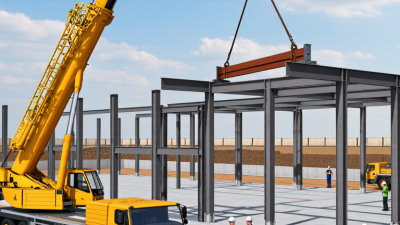
How to Choose the Right Crane Lift Rental?
Choosing a crane lift rental starts with the lift, not the machine. Identify the load’s weight, dimensions, pickup point, landing point, and required working radius. A load that looks manageable beside the truck may need greater capacity once the boom reaches across a building or obstacle. Check the manufacturer’s load chart with a qualified lift planner, and share accurate site details with the rental provider. Small details matter. Ground conditions, overhead obstructions, access roads, and space for setup can all change which crane is suitable.
A useful rental comparison should cover more than hourly price. Ask what equipment, operator support, delivery, setup, and rigging are included, and confirm how schedule changes are handled. Review the proposed lift plan, communication method, and weather limits before the work begins. For example, a narrow entrance or soft shoulder may require a different setup than a clear, paved yard. A plan can look complete on paper, yet miss a tight turn at the gate. That deserves a second look. The right crane lift rental balances capacity, reach, site access, and dependable support—not just the lowest quote. Clear measurements and early questions help you make a safer, better-informed choice.
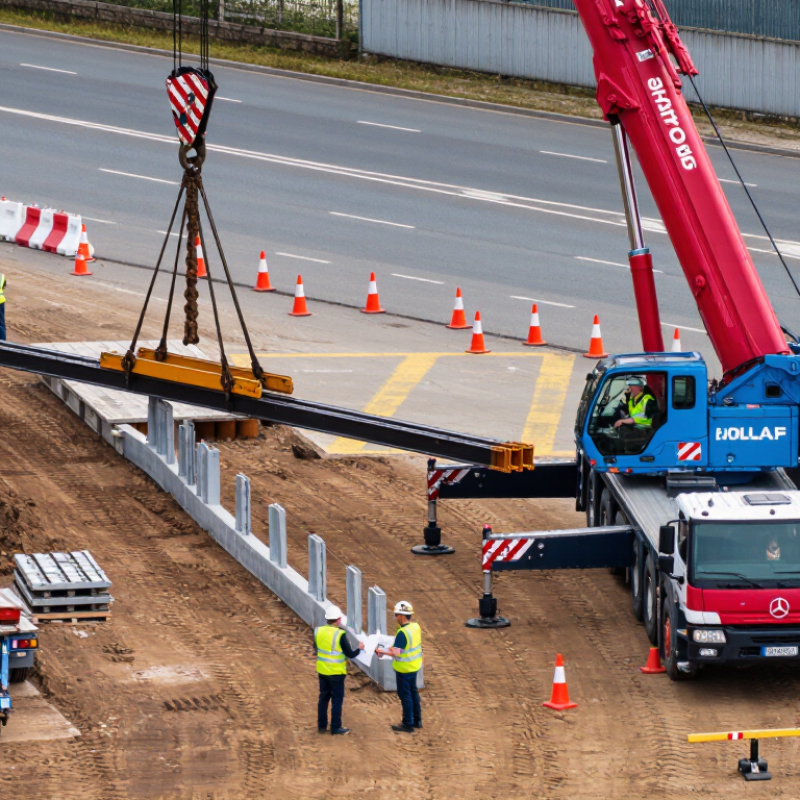
Define the Lift Requirements and Site Conditions
Before requesting a crane rental, define the lift in numbers: load weight, dimensions, pickup point, landing point, and maximum radius. Include rigging and attachments in the total load; a small omission can change the required crane capacity. Measure the full route, too. A truck that fits the entrance may still lack room to set outriggers or swing its boom. Check overhead lines, ground slope, buried utilities, and nearby structures with the site team. Mark the setup area. Then verify ground bearing capacity with a qualified professional, not a guess based on dry-looking soil.
The U.S. Bureau of Labor Statistics reported 1,075 fatal work injuries in construction in 2023. That figure covers the whole sector, not crane incidents alone, but it underscores why planning deserves care. Share a site sketch, load details, and schedule with the rental provider so its lift planner can assess crane configuration and access. Confirm whether traffic control, permits, or a signal person are needed for your specific site. Conditions change. Rain can soften ground; a delivery delay can introduce new obstacles. I once thought a clear pavement pad was enough. It wasn’t: underground services still needed checking. Use current measurements, and revise the plan when the site changes.
Select a Crane Type and Capacity for the Job
How to Choose the Right Crane Lift Rental?
Select a Crane Type and Capacity for the Job
Start with the load, not the crane. Confirm the heaviest item’s weight, including rigging, then calculate the working radius from the crane’s center of rotation to the load. A compact hydraulic crane may suit a paved, confined site. A crawler crane can work better on softer ground or longer-duration lifts, but needs room for assembly. Check the lift height, overhead obstructions, access route, and ground-bearing capacity before comparing rental options.
Capacity is not one number. The crane’s load chart changes with boom length, counterweight, outrigger position, and radius. A load that looks manageable at short reach may exceed capacity when the boom extends. The U.S. Bureau of Labor Statistics counted 297 fatal occupational injuries involving cranes from 2011 through 2017. That figure does not explain each incident, but it reinforces why lift planning and verified load data matter. A tidy estimate can still miss a detail.
Tips: Give the rental provider the load weight, pick-and-place locations, required reach, site photos, and ground information. Ask them to verify the configuration against the load chart and identify any setup limits. If the weight is uncertain, pause and confirm it; guessing is not a plan.
Verify Rental Provider Qualifications and Equipment Condition
Before booking a crane lift rental, ask who will operate and maintain the equipment. Request current operator training records and relevant qualifications, then confirm they match the crane type and lift conditions. Ask the provider for recent inspection and maintenance documentation. Dates, recorded defects, and completed repairs should be easy to follow. Paperwork matters, but it cannot show every issue.
Inspect the crane before it reaches the work area, or arrange a documented check with the provider. Look for damaged wire rope, leaking hoses, worn tires, cracked welds, and secure hooks with functioning safety latches. Check that the load chart is present and legible, and that required alarms and outrigger controls work. Small signs count. A fresh oil stain beneath a parked machine deserves a question, not a shrug.
Discuss the lift radius, load weight, ground conditions, and setup space with the rental team. Ask how the selected crane’s capacity changes at the planned reach, and whether suitable mats or outrigger support are included. Keep the agreed equipment details and inspection notes in writing. I once treated a tidy inspection sheet as complete reassurance; now I compare it with the machine itself. A careful provider should welcome that conversation.
Compare Rental Costs, Terms, and Included Services
A crane quote is more than an hourly rate. Compare the same lift plan, rental period, and site conditions across providers. The American Rental Association’s 2024 forecast put U.S. equipment and event rental revenue at $78.2 billion, reflecting how established rental is across industries. But a large market does not make every quote comparable. Ask whether the rate includes the operator, delivery, setup, fuel, rigging, and travel time. A low base price can grow quickly. Check minimum hours, overtime rules, weather delays, and cancellation charges in writing.
Look closely at what the rental company provides before the crane arrives. Confirm who handles permits, ground-bearing checks, lift planning, and traffic control; responsibilities can vary by contract and site. OSHA’s crane standard, 29 CFR 1926 Subpart CC, outlines requirements for construction crane operations, so confirm that the proposed crew and work plan address applicable duties. Ask for the crane’s capacity chart and verify that the planned radius and load fit the lift. Small details matter: a blocked access road or soft ground can change the setup. I have seen estimates miss these realities. Compare the full delivered cost, not just the headline rate.
Plan Lift Logistics, Safety Measures, and Operator Requirements
How to Choose the Right Crane Lift Rental?
Plan Lift Logistics, Safety Measures, and Operator Requirements
A successful lift starts with a site plan, not just a crane selection. Record the load’s weight, dimensions, pick radius, and landing point. Check ground bearing capacity, overhead obstructions, access routes, and room for outrigger mats. A delivery truck that cannot turn around can disrupt the whole schedule. It happens.
Ask the rental provider for the crane’s load chart and confirm capacity at the planned radius and configuration. Include rigging weight and account for wind limits. CPWR’s analysis of U.S. Bureau of Labor Statistics data recorded 297 crane-related construction deaths from 2011 to 2017. That figure does not predict the risk of one lift, but it underlines why lift planning and clear communication matter. Assign one signal person, agree on hand signals or radio protocols, and keep nonessential workers outside the lift zone.
Confirm who supplies the operator and who directs the lift. In the United States, OSHA requires crane operators to meet applicable certification or qualification requirements; requirements can vary by equipment and task. Verify credentials, site orientation, and familiarity with the specific crane setup. Review inspection records, maintenance concerns, and emergency procedures before work begins. A checklist can miss a detail. Pause if the ground feels soft, the load differs from the estimate, or signals are unclear; revise the plan before lifting.
Plan the lift before choosing a crane rental. Confirm power-line voltage with the utility and include required clearances in the lift plan. The chart shows OSHA Table A minimum approach distances; additional requirements may apply. For lines over 1,000 kV, determine the distance with the utility owner or a qualified registered professional engineer.
Related Posts
-
7 Tips for Choosing the Best Crane Rentals?
-
Best China Crane Lift Rental for Global Buyers?
-
How to Rent Crane Lifts for the 139th Canton Fair?
-
Why is Boom Truck Rental Essential for Your Next Project?
-
7 Tips for Choosing Reliable Crane Rentals?
-
How to Choose the Best Mobile Crane Rental for Your Construction Project