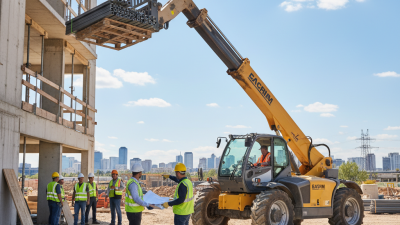
How to Choose the Best Telehandler Forklift Rental for Your Needs?
Choosing the right telehandler forklift rental can significantly impact construction and logistics efficiency. According to a report by industry expert John Marsh, “Selecting the wrong equipment can lead to delays and increased costs.” The telehandler market has seen substantial growth, with a projected CAGR of over 6% through 2027, indicating its increasing role in lifting and transporting heavy materials.
When considering telehandler forklift rental, it’s crucial to assess your specific needs. Factors such as load capacity, height reach, and site conditions must guide your decision. An incorrect choice may not only hinder productivity but also elevate safety risks on the job site. Reports indicate that improper equipment can lead to accidents, which may result in costly downtime.
As you navigate your options, be mindful of rental service reputation and customer feedback. It's wise to seek out providers with proven records in the telehandler forklift rental space. A reliable source can offer insights into equipment performance and maintenance. Reflection on these elements can lead to a more informed and successful rental decision.
Understanding the Different Types of Telehandlers Available for Rent
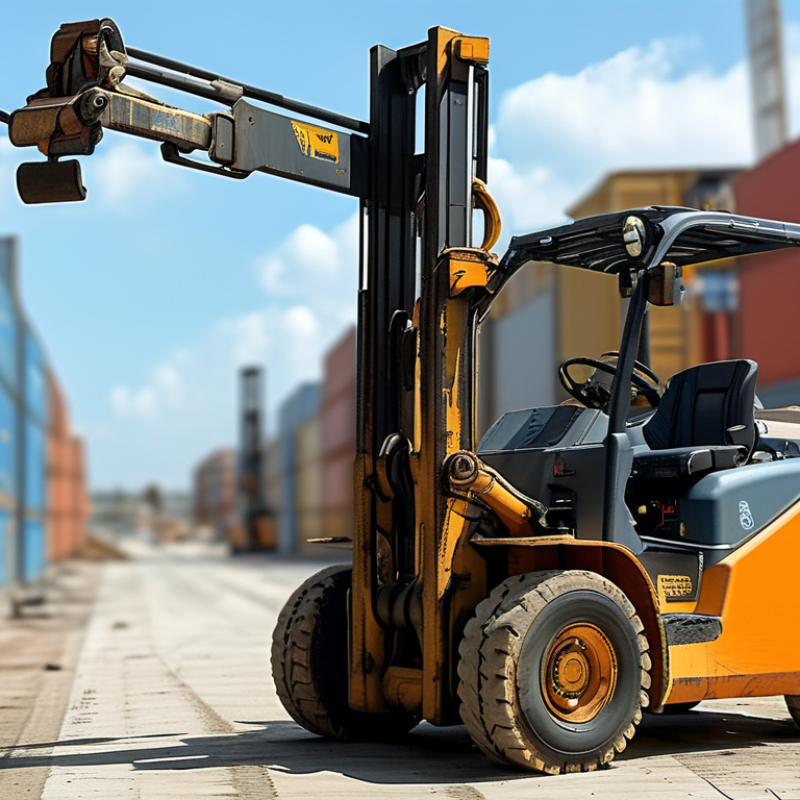
When renting a telehandler forklift, understanding the different types available is crucial. There are three main categories: compact, standard, and heavy-duty telehandlers. Compact models are ideal for tight spaces. They offer flexibility and ease of maneuvering, which can be a major advantage on crowded job sites.
Standard telehandlers provide a balanced option for many projects. They combine lift capacity and height, making them suitable for general construction. Heavy-duty telehandlers offer the highest lifting capacity and are designed for tough terrains. These might be necessary for heavy lifting in industrial setups or large construction sites.
Assess your specific needs before choosing a model. Consider the weight of materials you'll lift. Reflect on the site conditions as well. If your project involves narrow spaces or uneven ground, a compact or heavy-duty telehandler might be more appropriate. Knowing these details can help optimize your rental decision.
Identifying Your Specific Project Requirements and Needs
When selecting a telehandler forklift rental, understanding your specific project requirements is crucial. Assess the size and weight of materials you'll be handling. A common mistake is underestimating the load capacity needed. Larger loads might require a more robust machine. Think about the lift height as well. Projects involving elevated placements demand a telehandler with sufficient reach.
Identify the environment where the telehandler will operate. Is it rough terrain or a smooth surface? This can impact your choice significantly. For instance, rough outdoor conditions may need large tires and stronger frames. The decision between a standard and a compact model may also depend on site dimensions. Doing a site assessment can reveal hidden challenges.
Finally, consider your budget while ensuring you have the right specifications. It's easy to overspend on features you might not use. However, choosing a model that isn't powerful enough could slow your project. Balance is key here. Before finalizing your choice, verify rental agreements and equipment conditions carefully. This can save you from unexpected headaches later on.
Evaluating Rental Companies and Their Fleet Options
Choosing the right telehandler forklift rental is crucial for various projects. Evaluating rental companies requires assessing their fleet options. A reliable rental company should offer a diverse range of telehandlers. This includes models with different lifting capacities and attachments. The American Rental Association reports that about 70% of contractors prefer versatile equipment. Companies with a wide selection cater to varying job site needs.
When reviewing rental fleets, examine each model's specifications. Consider load capacity and lifting height. Some telehandlers can lift up to 12,000 pounds and reach heights of 56 feet. However, not all rental fleets keep their equipment updated. Equipment age affects performance and safety. Check the rental company’s maintenance records to ensure reliability.
Customer reviews play an essential role in evaluating rental companies. Look for feedback on responsiveness and support. About 40% of businesses report challenges with equipment availability and service quality. Identifying companies with high customer satisfaction can reduce risks. While data provides insights, personal assessments and site visits offer a clearer picture of fleet conditions.
Telehandler Forklift Rental Options Evaluation
This chart illustrates the availability of various telehandler forklift rental options categorized by type. Compact models have the highest availability, followed by standard and then heavy-duty units. Accessories also play a significant role in rental offerings.
Comparing Rental Rates and Contracts for Telehandler Forklifts
When selecting a telehandler forklift rental, rental rates play a critical role in the decision-making process. Rates often vary significantly between providers. It's essential to compare not just the base rental cost but also additional fees. These can include delivery charges, insurance, and maintenance. Understanding the total cost will help you avoid surprises later.
Rental contracts can be complex. You should read through the terms carefully. Some contracts may have hidden fees or strict conditions regarding the duration of the rental. Flexibility is important, especially if project timelines are uncertain. You might find a provider willing to negotiate. Being open to discussions can lead to a more favorable agreement.
Consider asking for references from previous customers. Their experiences can shed light on the reliability of both equipment and service. Some providers might present impressive rates but deliver subpar machines. Checking for maintenance records can also be revealing. Knowing the equipment's history helps you make an informed choice. Evaluating these aspects is vital to ensure your telehandler rental meets your project's requirements.
Assessing Safety Features and Maintenance Records of Rentals
When selecting a telehandler forklift rental, assessing safety features is crucial. Look for machines equipped with features like overload protection and stability systems. These attributes can significantly reduce on-site accidents. A well-maintained telehandler with effective safety technology can enhance productivity. Failing to consider safety features can lead to costly mistakes and potential injuries.
Maintenance records are equally important. Request documentation showing regular servicing and inspections. Equipment that has been neglected may pose serious risks. A rental company with a strong maintenance routine reflects a commitment to safety. It’s wise to question how often and what type of maintenance is performed. Gaps in maintenance can indicate deeper issues.
Always verify the rental company’s safety protocols. Ask about their training for operators. Safe operation hinges on user competence. An operator unfamiliar with safety features might not utilize the equipment effectively. Understanding the balance between cost and safety is vital. Sometimes, a lower-priced rental can lead to higher long-term costs due to accidents or breakdowns.
Related Posts
-
How to Choose the Best Telehandler Rental for Your Project?
-
How to Choose the Best Telehandler Forklift Rental for Your Project Needs
-
2025 Top 5 Telehandler Forklift Rental Services You Can Trust
-
2026 How to Choose the Best Telehandler Rental for Your Project?
-
Top Mobile Crane Rental Options for Your Global Projects?
-
Why Choose Gantry Crane Rental for Your Business Needs?