skip to Main Content

How to Choose the Best Telehandler Rental for Your Project?

Choosing the right telehandler rental for your project can be overwhelming. With so many options available, it's crucial to make an informed decision. A telehandler can significantly enhance your site's efficiency. However, selecting the wrong model can lead to delays and added costs.

Consider your specific needs. What materials will you be handling? Do you require a machine with specialized attachments? Think about the terrain and space constraints. All these factors will help you narrow down your choices. It's also important to check the reputation of rental companies. A reliable provider should have a good track record and offer well-maintained equipment.

Many people overlook the importance of customer support. Reliable service is essential, especially if you encounter issues during your rental period. A company that responds promptly to inquiries can save you time and frustration. The goal is to find the best telehandler rental that fits your project requirements while ensuring a smooth and efficient process.
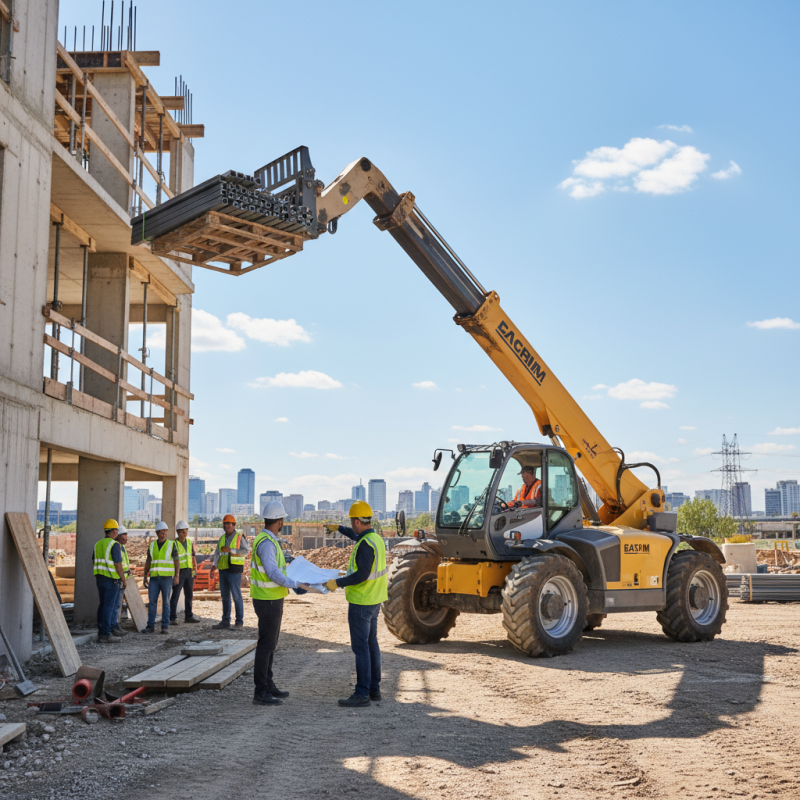
How to Choose the Best Telehandler Rental for Your Project?

Understanding the Basics: What is a Telehandler?
How to Choose the Best Telehandler Rental for Your Project?

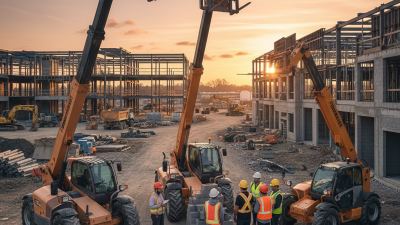
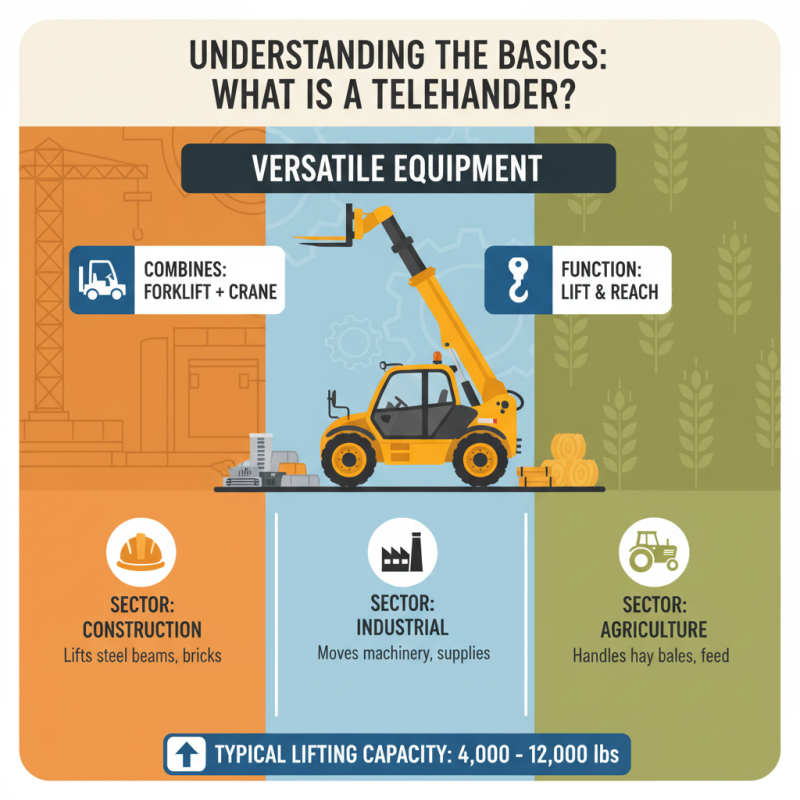
A telehandler, short for telescopic handler, is a versatile piece of equipment. It combines the features of a forklift with a crane. This machinery is essential in construction, agriculture, and industrial sectors. A telehandler can lift heavy materials to great heights. The typical lifting capacity ranges from 4,000 to 12,000 pounds, depending on the model.

Telehandlers have unique attachments, including forks and bucket scoops. Their ability to extend their reach is crucial for accessing tight spaces. According to a 2022 report by the Construction Equipment Association, telehandlers made up 15% of the equipment rental market. Yet, many users overlook maintenance needs, which can lead to operational failures. Regular checks can prevent costly downtime.

Choosing the right telehandler for your project is not straightforward. Factors like the job site's terrain and load requirements must be considered. Many operators find themselves struggling with selection complexity, unsure of the right specifications. Understanding these basics is essential to avoid mistakes and enhance project efficiency.
Identifying Your Project Needs: Assessing Required Specifications

How to Choose the Best Telehandler Rental for Your Project?

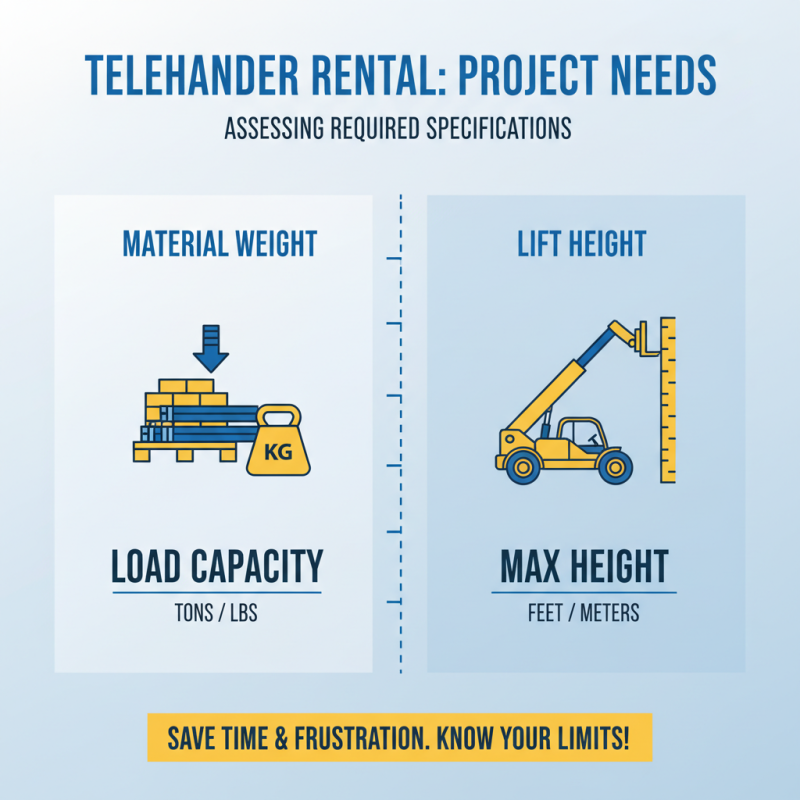
When considering a telehandler rental, it's crucial to assess your project's specific needs. Start by evaluating the weight and height of the materials you’ll be moving. Telehandlers are designed differently, and each has load capacities that vary significantly. Knowing the maximum height and weight can save you time and frustration during the project.

Another important factor is the terrain where the telehandler will operate. Different models are equipped for various surfaces, from uneven ground to paved environments. Identify whether you'll need four-wheel drive for rough landscapes, as this will impact your choice. Furthermore, think about attachments. Forks, buckets, or even lifting platforms can enhance the versatility of your telehandler.

It's also wise to consider how long you need the rental. Short-term courses often come at a different rate than long-term leases. Additionally, reflect on your team’s experience with telehandlers. A less experienced crew may require more time to operate the equipment safely and efficiently. Balancing these specifics helps in making informed decisions. Recognizing potential gaps in abilities and knowledge can prevent costly mistakes.

Exploring Rental Options: Types of Telehandlers Available

When exploring rental options, it's essential to understand the types of telehandlers available. Telehandlers come in various sizes and capacities, each suited for specific tasks. Compact telehandlers are ideal for smaller sites with limited space. These models excel at navigating tight spots while lifting lighter loads. They are often preferred for agricultural projects and small construction sites.

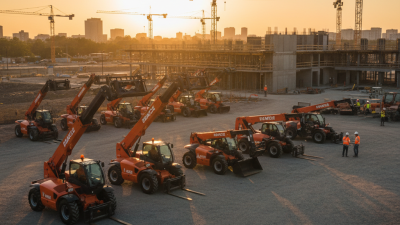
On the other hand, heavy-duty telehandlers are designed for larger tasks. They can lift substantial weights and reach impressive heights. These machines are perfect for extensive construction projects where heavy materials need to be moved. It's crucial to consider the lifting capacity and height requirements before making a selection. A wrong choice can lead to inefficiencies and potential safety hazards.

Renting a telehandler also involves understanding the controls and features of each model. Some may offer advanced technology to enhance performance and safety. However, not all operators may be familiar with these features. Operators should be trained adequately, or they might struggle to use the equipment correctly. Careful evaluation of the available options can ensure you choose the right telehandler for your project.

Telehandler Rental Options by Load Capacity

Evaluating Rental Companies: Key Factors to Consider

When evaluating rental companies for telehandlers, several key factors come into play. The first is the company's reputation in the industry. A 2022 survey by Construction Equipment Rental Association found that 78% of contractors prioritize rental companies with strong industry reviews. Look for testimonials and case studies. They offer insights into customer experiences and equipment reliability.

Next, consider the range and quality of equipment offered. A broad inventory often indicates that a company understands diverse project needs. According to a report from the American Rental Association, companies with diverse fleets can reduce downtime by up to 40%. Additionally, ensure that the telehandlers are well-maintained and meet safety standards. Examination of maintenance records can reveal how often equipment is serviced.

Pricing is also crucial, but it should not be the only criterion. A lower price may signal older, less reliable equipment. Transparency in pricing indicates professionalism. A 2023 report from Rental Management suggested that hidden fees can increase overall costs by 15% unexpectedly. Establishing clear communication with the rental company will help prevent misunderstandings and ensure a smoother rental experience.

Budgeting for Your Rental: Cost Considerations and Hidden Fees

When renting a telehandler, budgeting is crucial. The average rental cost can range from $1,000 to $3,000 per week, depending on the model and specifications. However, it's essential to look beyond the base price. Hidden fees can add up quickly. Some rental companies impose additional charges for delivery, maintenance, or fuel. According to a recent industry report, these hidden costs can increase the total rental price by up to 30%.

Regular telehandler rentals include basic insurance. But, additional coverage might be necessary depending on your project. This can result in further expenses. If a telehandler is damaged or needs repairs, you might be liable for those costs as well. These liabilities can prompt renters to think carefully about their choices. A transparent rental contract is vital to avoid unexpected charges.

Always read the fine print. Some companies also ask for a deposit. This could be a few hundred dollars, or up to 10% of the rental cost. Understanding the full scope of these charges is essential for budgeting effectively. An informed decision can save your project from unnecessary complications and costs. Be diligent and thorough.

How to Choose the Best Telehandler Rental for Your Project? - Budgeting for Your Rental: Cost Considerations and Hidden Fees
Rental Company Telehandler Model Daily Rental Rate ($) Weekly Rental Rate ($) Deposit Required ($) Insurance Cost ($) Delivery Fee ($) Total Estimated Cost ($)
Company A Model 1 150 900 200 50 100 1400
Company B Model 2 175 1050 250 75 120 1670
Company C Model 3 160 960 225 60 110 1355
Company D Model 4 190 1140 275 80 150 1645
Back To Top