skip to Main Content

How to Choose the Right Telehandler for Your Project?

Choosing the right telehandler for your project can be a daunting task. With various options available, it's essential to understand your specific needs. A telehandler, or telescopic handler, offers unique benefits for handling materials. This equipment supports lifting, reaching, and stacking safely and efficiently.

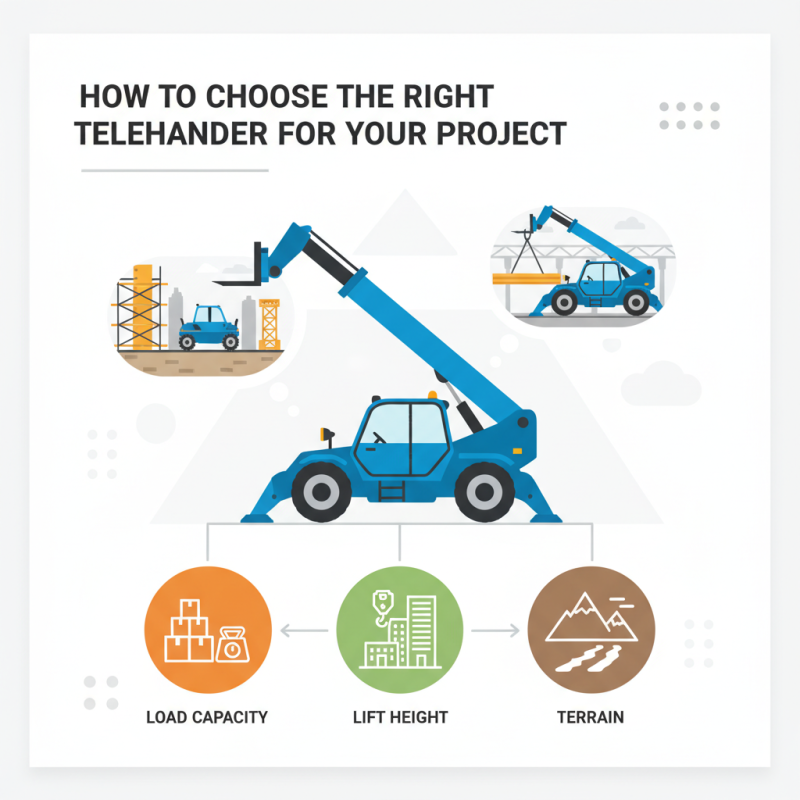
When selecting a telehandler, consider factors such as load capacity and lift height. Each project has its requirements, and knowing these can guide your decision. For instance, if you are working on a construction site with tight spaces, a compact model may be ideal. Alternatively, a more robust telehandler may be necessary for larger operations.

It’s also crucial to reflect on the terrain. A telehandler suited for rough ground can enhance safety and performance. Analyzing your project environment will help improve your choice. While it might seem simple, the nuances of telehandler selection can significantly impact productivity. Make sure to weigh each option critically before making a decision.
How to Choose the Right Telehandler for Your Project?

Identifying Project Requirements for Telehandler Selection
How to Choose the Right Telehandler for Your Project?

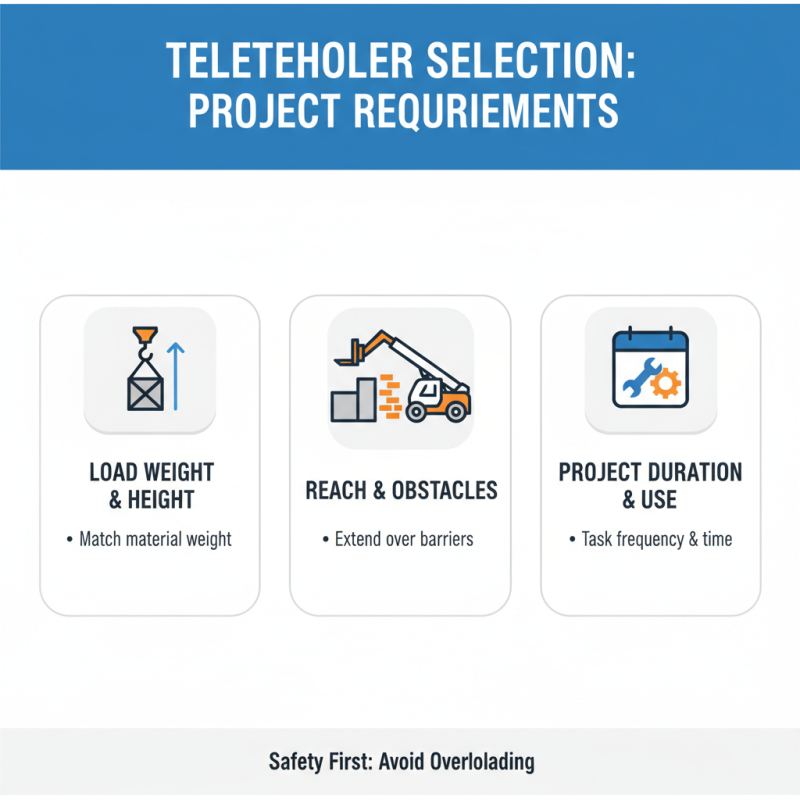
When selecting a telehandler for your project, understanding its requirements is crucial. Begin by defining the load weight and height. Different projects will have varying demands on equipment capacity. A telehandler must match the weight of materials it will lift, as exceeding this may lead to safety hazards. Consider the reach needed for your project. Will the telehandler need to extend its boom over obstacles? Planning for this helps avoid last-minute adjustments that can waste time and resources.

Tips: Determine whether the site has space limitations. If the project site is cramped, a compact telehandler may be necessary. Assess ground conditions too. Is the terrain hard or soft? This will affect the choice of wheels or tracks on the telehandler.

Another aspect is the lifting attachments. Depending on materials handled, forks or buckets may be needed. Choosing the right attachment can optimize performance and efficiency. It’s important to evaluate operator experience as well. A less experienced operator may need a more straightforward machine to avoid risks. Reflect on these factors to ensure a well-informed selection process.

Understanding Different Types of Telehandlers Available

When selecting a telehandler, understanding the different types available is crucial. Telehandlers come in various configurations, each tailored for specific tasks. For example, compact telehandlers are ideal for tight spaces, offering maneuverability without sacrificing lift height. Their smaller frame allows access to areas larger machines can't reach.

Rough terrain telehandlers are designed for outdoor projects where stability is essential. These models typically feature larger tires and more robust frames, making them suited for uneven ground. However, they can be cumbersome in confined areas. Consider your job site conditions carefully before deciding.

Electric telehandlers present another option. They produce less noise and emissions, making them suitable for urban environments. Yet, their shorter operational time might limit heavy lifting tasks. It's important to weigh these factors against your project's needs. Each telehandler type has strengths and weaknesses, reflecting different operational demands and site-specific challenges. Understanding these nuances will guide you toward the right choice.

How to Choose the Right Telehandler for Your Project? - Understanding Different Types of Telehandlers Available

Telehandler Type Lift Capacity (lbs) Max Lift Height (ft) Reach (ft) Applications
Compact Telehandler 5,500 12 24 Landscaping, small construction
Standard Telehandler 8,000 16 30 Construction, warehouse
Heavy-Duty Telehandler 12,000 20 35 Heavy construction, industrial
Rough Terrain Telehandler 10,000 18 28 Outdoor, uneven terrain

Assessing Load Capacity and Reach for Your Specific Needs

When choosing a telehandler, understanding its load capacity and reach is essential for your project. Load capacity refers to the maximum weight a telehandler can safely lift. If your project involves heavy materials, select a model that can handle those loads without compromising safety. Misjudging this can lead to costly accidents and delays. Always consider what you will be lifting.

Reach, on the other hand, measures how far the telehandler can extend upwards and outwards. Assess the height of your worksite and the distance needed to move loads. In some cases, longer reach may seem appealing, but it can also decrease stability. Finding the right balance is crucial. You may discover that a model with a shorter reach offers better control and safety for your tasks.

It's wise to consult with professionals who understand your specific needs. Their experience can help you avoid common pitfalls. Reflect on your project requirements carefully. A small oversight in capacity or reach could jeopardize your entire operation. Prioritizing these factors will lead to a more efficient workflow.

Evaluating Additional Features and Attachments for Enhanced Functionality

How to Choose the Right Telehandler for Your Project?

Choosing the right telehandler involves more than just horsepower. Additional features and attachments can significantly enhance functionality. When evaluating these aspects, consider the specific needs of your project.

For instance, if you’re frequently lifting materials to high elevations, a telehandler with a high lift capacity is crucial. Different attachments can transform basic operations. Forks, buckets, and winches can expand the machine’s versatility. Think about the types of tasks you will perform. Choose attachments that align with these requirements to maximize efficiency.

Tips: Always assess the weight you expect to lift. Overloading can lead to safety hazards. Review the machine's stability features. A stable telehandler can prevent accidents and improve productivity. Remember that some attachments may require additional training. Invest time in understanding how to use them effectively for better results.

Considering Operating Environment and Terrain Constraints

When choosing a telehandler, the operating environment is key. Consider the ground conditions at your site. Is it muddy or rocky? These factors directly affect the telehandler's performance. If the terrain is uneven, a telehandler with good stability is crucial. This can prevent tipping and ensure safety.

Also, consider the height and reach needed for your project. Working in tight spaces? A compact telehandler will be more suitable. Conversely, for open areas with tall structures, invest in one with greater lift height. Always analyze site-specific needs.

Don’t underestimate weather conditions. Rain or snow can make operations tricky. If you're in such environments, look for telehandlers with all-terrain features. Keep in mind that weather can change suddenly. Adaptability should be part of your decision process. Reflect on your project's unique demands to choose wisely.

Telehandler Selection Criteria for Various Terrain Types

Back To Top