skip to Main Content

2026 Best Telehandler Forklift Options for Your Construction Needs?

The construction industry is rapidly evolving, and telehandler forklifts are gaining traction. According to industry reports, the demand for telehandler forklifts is expected to grow by 5% annually through 2026. These machines are essential for handling materials in tight spaces and rugged terrains. They combine the features of a forklift and a crane, enhancing versatility on job sites.

Telehandler forklifts excel at lifting loads to significant heights, making them crucial for construction projects. A recent survey revealed that 85% of contractors prefer telehandlers for their adaptability and efficiency. However, not all models are created equal. Choosing the right telehandler forklift requires a careful evaluation of specific project needs and potential challenges.

While many options exist, each telehandler has unique specifications, which could lead to unintended limitations. For instance, some units may struggle with heavy loads or steep terrains. Reflecting on these factors is vital to maximizing efficiency while minimizing risks on the job site. Understanding the best telehandler forklift options will ensure your construction projects run smoothly and successfully.
2026 Best Telehandler Forklift Options for Your Construction Needs?

Overview of Telehandler Forklifts in the Construction Industry

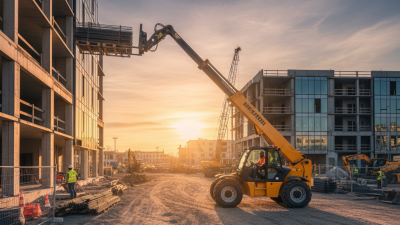
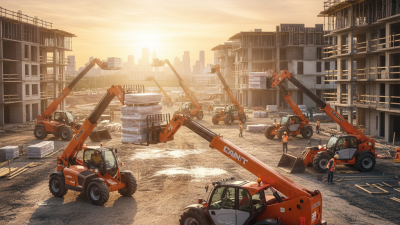
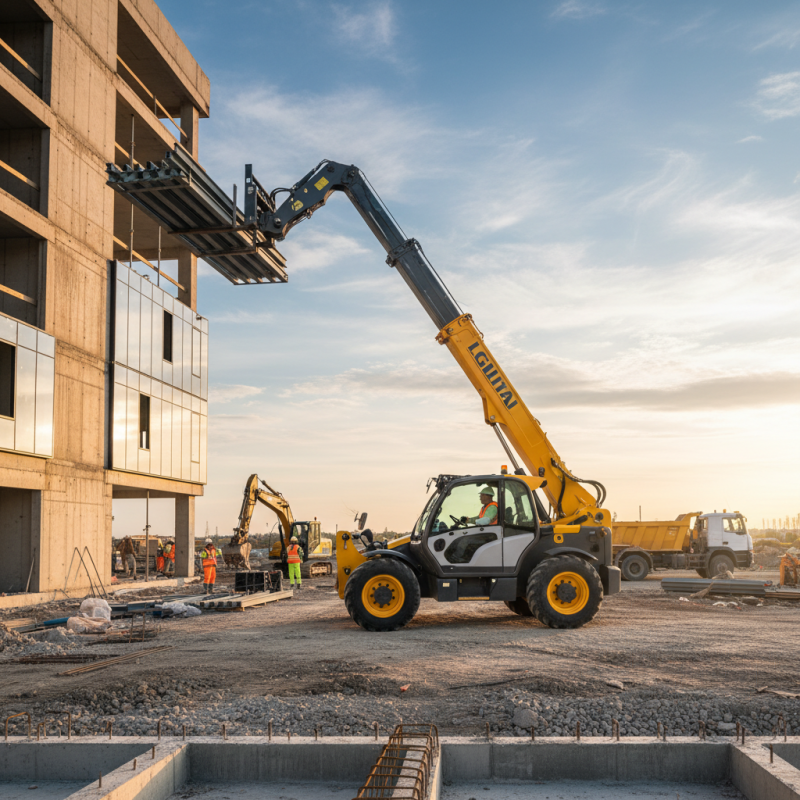
Telehandler forklifts play a crucial role in the construction industry. They provide versatile lifting solutions for various tasks. With the ability to lift heavy loads and extend reach, they are essential on job sites. These machines often maneuver in tight spaces, which traditional forklifts cannot handle. Their unique design allows for better visibility, enhancing safety.

Operators must have proper training to maximize efficiency. Mistakes can lead to accidents, causing project delays. It's essential to choose the right attachments for specific tasks. Not every telehandler is suitable for every job. The choice of fork size, boom length, and load capacity matters significantly.

Maintenance is another area often overlooked. Regular checks ensure equipment longevity and performance. Neglecting maintenance can lead to breakdowns, which stall progress. Understanding these aspects is vital for project managers and operators alike. They need to weigh the costs against the benefits to make informed decisions.
Key Features to Consider When Choosing a Telehandler Forklift

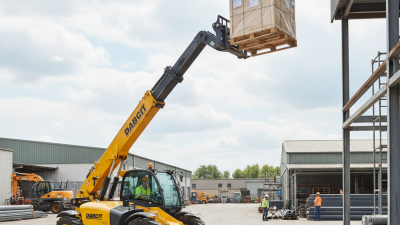
When selecting a telehandler forklift, several key features should guide your decision. The lifting capacity is paramount. Determine the maximum weight you plan to handle. Many telehandlers offer capacities ranging from 5,000 to 12,000 pounds. A higher capacity allows for more versatility on the job site. Pay attention to the reach as well. This is vital for accessing those hard-to-reach areas. Models with a lifting height of 30 feet or more can be indispensable.

Another critical feature is the turning radius. A tighter radius enables better maneuverability in confined spaces. If your construction site is tight, choose a model with a small turning radius. The transmission type also matters. Hydraulic or mechanical options provide different benefits. Hydraulic systems often yield smoother operation. Additionally, consider the attachment options available. Forks, buckets, and booms can increase functionality. Flexibility in attachments can lead to improved job efficiency.

The stability of the telehandler should not be overlooked. Features like outriggers can enhance safety and prevent tipping. Lastly, reflect on the comfort of the operator’s cabin. A well-designed cabin enhances productivity, especially during long shifts. Personal comfort can often influence overall output. Selecting the right telehandler involves balancing these features against your specific needs. It requires thought and consideration to make the best choice.

2026 Best Telehandler Forklift Options for Your Construction Needs

Model Lift Capacity (lbs) Max Lift Height (ft) Engine Power (HP) Dimensions (L x W x H) Weight (lbs)
Model A 5,500 20 75 15' x 7' x 8' 11,500
Model B 7,000 18 90 16' x 8' x 9' 12,000
Model C 8,500 22 100 17' x 7.5' x 10' 13,500
Model D 10,000 25 120 18' x 8.5' x 11' 15,000

Top Telehandler Forklift Brands and Models for 2026

2026 Best Telehandler Forklift Options for Your Construction Needs?

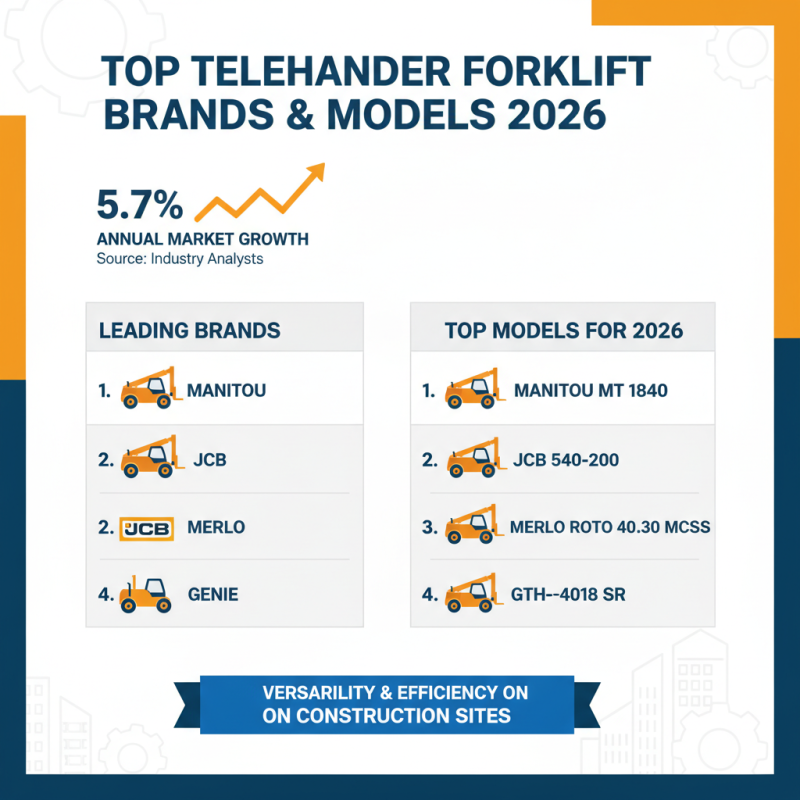
When selecting a telehandler forklift in 2026, it's essential to consider top brands and models. Industry analysts predict an annual growth rate of 5.7% in the telehandler market. This growth reflects the increasing demand for versatile machinery on construction sites. The right telehandler can improve efficiency and productivity in material handling.

Leading models in the market focus on lift height, capacity, and maneuverability. Models offering lift heights of up to 60 feet cater to diverse construction needs. High-capacity options above 12,000 pounds are increasingly popular for heavy lifting. A recent survey highlighted that operators prefer telehandlers with enhanced visibility and safety features.

While many brands are known for reliability, some models have received mixed reviews on maintenance costs. Some users report higher downtime for repairs, affecting project schedules. It's crucial to weigh these factors against the potential benefits of advanced features. Telehandlers are more than a convenience; they can significantly impact project timelines.

Comparative Analysis of Telehandler Forklifts for Various Construction Tasks

When assessing telehandler forklifts for construction tasks, various factors come into play. Different projects require specific features. For example, lift height and weight capacity are crucial for tasks involving heavy materials. Each forklift type serves a unique purpose. For example, some excel in tight spaces while others are designed for rough terrain.

Maneuverability can be a double-edged sword. While some models offer great agility, they may compromise on stability. Operators must find a balance between these traits. Additionally, ease of operation plays a significant role. A complex control system may lead to inefficiencies. Workers may struggle to adapt, leading to delays and safety risks.

Investing in the right telehandler involves careful consideration of these factors. Not every option will suit every task. It's essential to engage with operators and gather feedback. This process will illuminate the strengths and weaknesses of different models. Awareness of the telehandler's limitations is vital for making informed decisions.

Cost Factors and Budgeting for Telehandler Forklift Purchase or Rental

When considering telehandler forklift options for construction, understanding cost factors is crucial. Whether you decide to purchase or rent, factor in the initial costs, maintenance, and insurance. A new telehandler may cost significantly more than a used one, impacting your budget. Renting can be flexible but usually adds up over time, especially for long-term projects.

Tips for budgeting include researching various financing options. Compare prices from different suppliers to find the best rate. It's common to overlook operational costs like fuel and repairs, but these can make a big difference. Ensure you have a clear understanding of all potential expenses.

Before making a decision, assess your specific construction needs. A reliable telehandler should match your workload and environment. A mismatch can lead to inefficiencies and unexpected costs. Don't rush; take the time to evaluate both your project requirements and budget constraints. Having a clear plan is essential for making the right choice in the long run.

Back To Top