
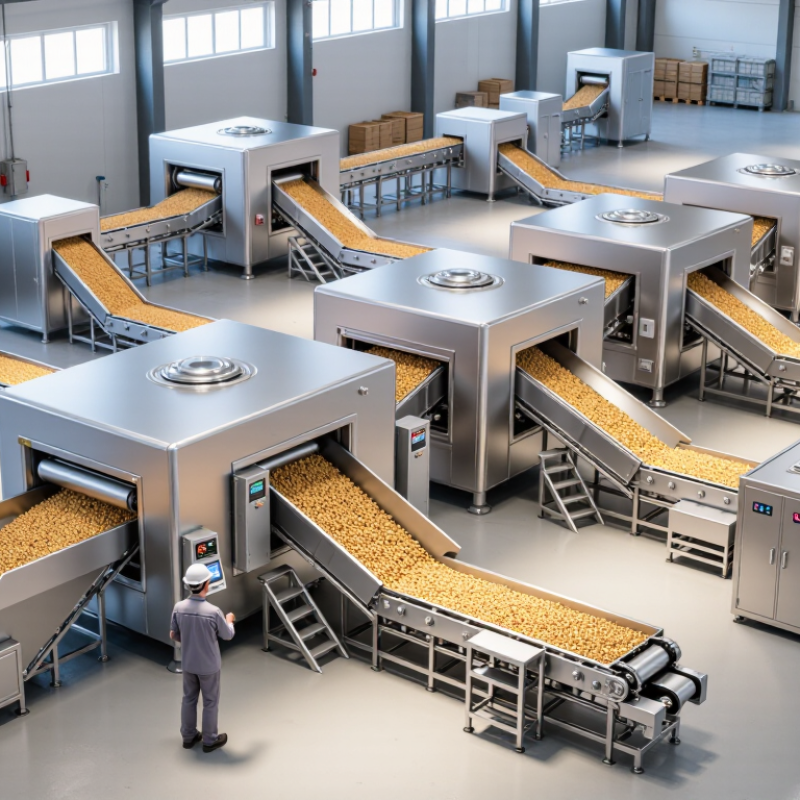
An oilseed pretreatment equipment manufacturer designs and builds systems that prepare seeds before pressing or solvent extraction. Its role begins with practical process knowledge, not just machinery fabrication. Typical lines remove stones, dust, metals, and light impurities. They may also crack, dehull, condition, flake, and cook seeds. Each step affects oil yield, meal quality, energy use, and equipment wear.
Scale makes this work increasingly important. The USDA Foreign Agricultural Service’s Oilseeds: World Markets and Trade report estimated global oilseed production above 680 million metric tons in the 2024/25 marketing year. The OECD-FAO Agricultural Outlook 2024–2033 also identifies continuing growth in vegetable oil demand.
A capable manufacturer should therefore provide measurable control points, such as seed moisture, flake thickness, cooking temperature, and feed rate. Operators need clear instruments, accessible maintenance areas, and hygienic material contact surfaces. Small errors become expensive.
Experience still matters.
A pretreatment line may look efficient during testing but perform poorly with variable seed sizes or high foreign-material loads. Manufacturers should validate capacity using representative samples, not ideal laboratory batches. They should document energy consumption, temperature stability, and oil-loss risks.
The choice of dehulling intensity can also create a trade-off between cleaner meal and higher operating cost. Industry reports provide useful direction, but field conditions remain less predictable. That limitation deserves honest attention.