
Top Well Drilling Equipment Manufacturers Worldwide?
Industry Trends Shaping the Future of Well Drilling Equipment
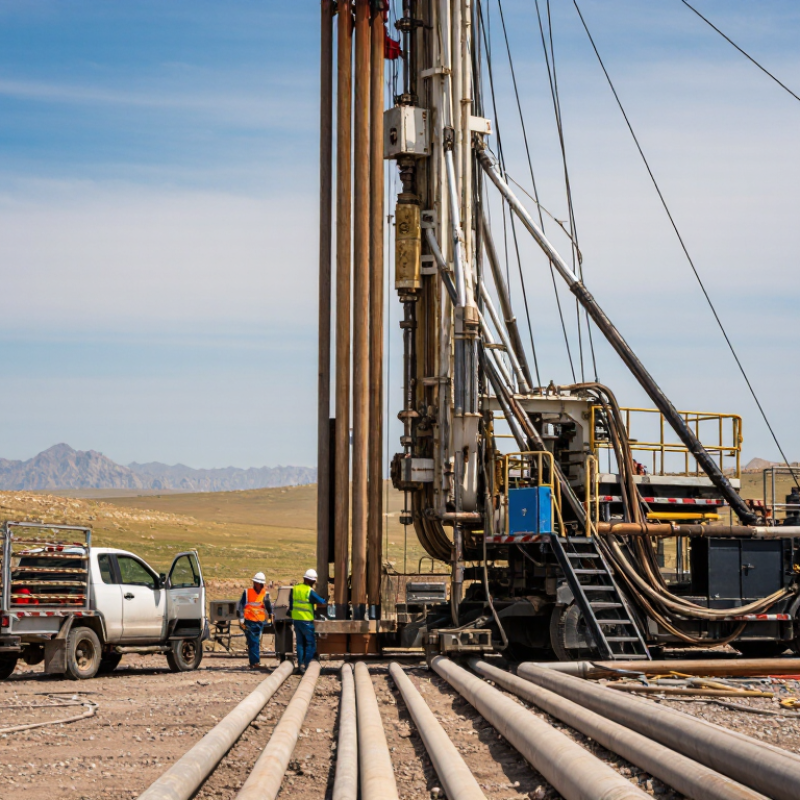
Well drilling equipment is becoming a connected field system, not simply a steel rig. The strongest global manufacturers now integrate pressure sensors, automated torque controls, and digital maintenance logs. On a remote site, these tools can reveal a failing pump before the crew loses a shift. That practical value matters more than impressive software screens. Field evidence still wins.
Technicians increasingly expect modular rigs that move easily between shallow water wells and deeper formations. Electric and hybrid power systems are also gaining attention where fuel delivery is expensive or unreliable. Lower noise helps crews communicate beside the mast, although battery performance can weaken in cold, dusty environments.
Another important trend is predictive maintenance. Vibration data, hydraulic temperature, and drilling rate can expose wear earlier than weekly inspections. Still, data quality is uneven. Poor calibration creates confident but misleading alerts. Manufacturers with transparent testing methods, accessible spare parts, and clear operator training deserve closer attention.
Cybersecurity is also becoming part of equipment reliability, particularly when rigs connect to cloud platforms. Offline controls remain essential when networks fail. That detail is easy to overlook.
Water stewardship is reshaping equipment design. Closed-loop fluid systems can reduce waste and make drilling records easier to audit. Compact treatment units help contractors work near homes, farms, and protected areas. Yet greener equipment is not automatically better.
Manufacturers should publish realistic energy figures, service intervals, and component lifecycles. Buyers need verified field performance, not only catalog specifications. I would question any promise of zero downtime. Ground conditions change.