
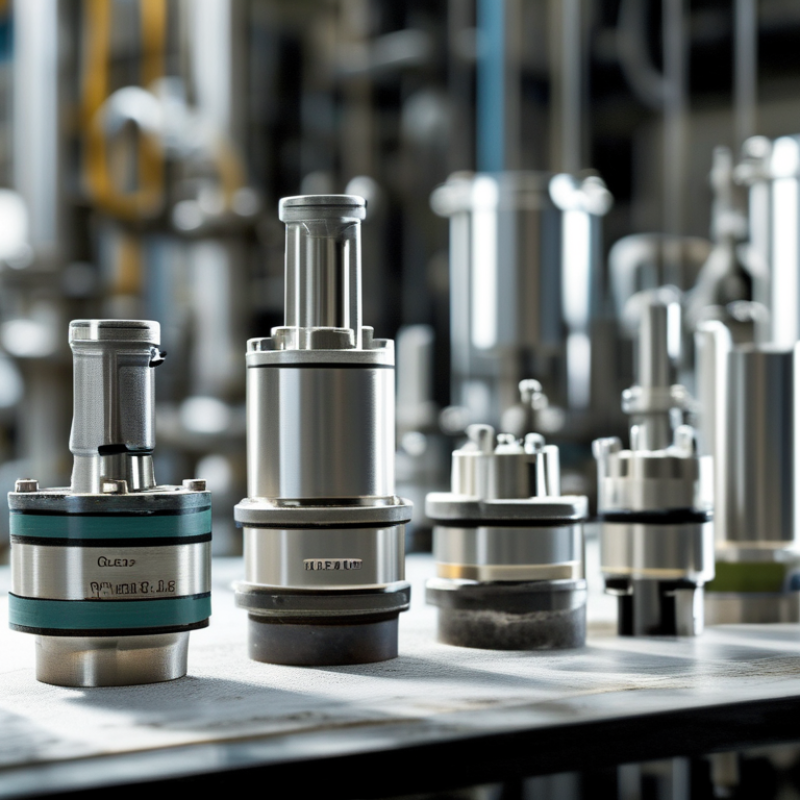
Chemical mechanical seals serve pumps, mixers, reactors, and rotating equipment in demanding plants. Their applications vary sharply. A seal handling clean solvent needs different materials than one processing abrasive slurry. Temperature, pressure, shaft speed, fluid toxicity, and dry-running risk must guide the design. Field engineers should inspect wear patterns, flush systems, and leakage records before choosing among the top ten worldwide suppliers.
Industry standards provide a useful starting point, not a complete answer. API 682 and ISO 21049 support seal selection for process pumps, while EN 12756 defines common dimensional requirements. Reliable suppliers should provide pressure-temperature limits, material traceability, inspection reports, and documented testing. Material compatibility also matters. Hastelloy, silicon carbide, carbon, and elastomers can perform very differently in the same fluid. Small details matter.
Supplier selection should include engineering support, retrofit accuracy, delivery stability, spare-part access, and emergency response. Ask for references from similar operating conditions, not only impressive brochures. A factory audit can reveal testing depth and quality controls. Total cost includes installation time and unplanned shutdowns. The cheapest quotation may become expensive after one failure. Still, no supplier is perfect. Operating data may be incomplete, and real equipment conditions can change. A practical trial, clear acceptance criteria, and honest failure review often produce better decisions than a polished sales presentation.