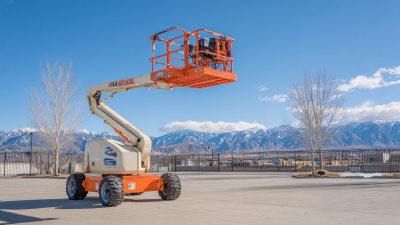
Essential Tips for Renting Towable Boom Lifts for Your Next Project
When planning your next project that requires reaching elevated areas, renting a towable boom lift can significantly enhance efficiency and safety. With their versatility and ease of use, towable boom lift rentals have become an essential solution for both residential and commercial tasks. Whether you are conducting maintenance work, window cleaning, or construction activities, understanding the crucial tips for renting these machines can help you make informed decisions, ensuring you get the right equipment for your needs.
In this guide, we will explore key considerations to keep in mind while renting a towable boom lift. From assessing the specific height requirements to evaluating the weight capacity and choosing the appropriate rental duration, these factors can greatly influence the success of your project. Additionally, we will discuss the importance of safety features and operational guidelines to ensure that your rental experience is seamless and productive. By arming yourself with this knowledge, you can navigate the rental process with confidence and utilize towable boom lifts efficiently, ultimately leading to a successful outcome for your project.
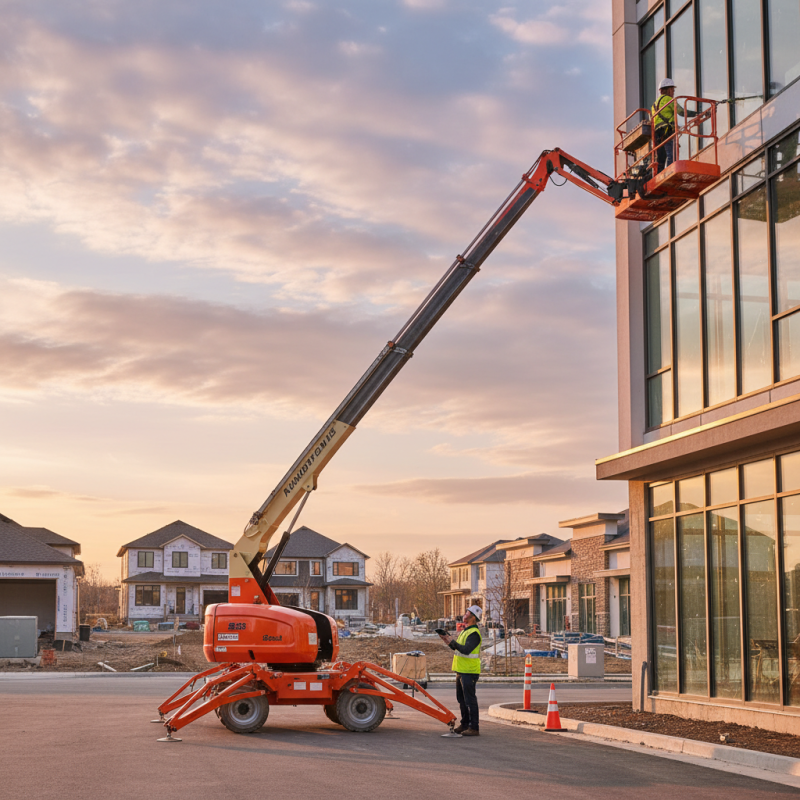
Understanding Towable Boom Lifts: Features and Applications
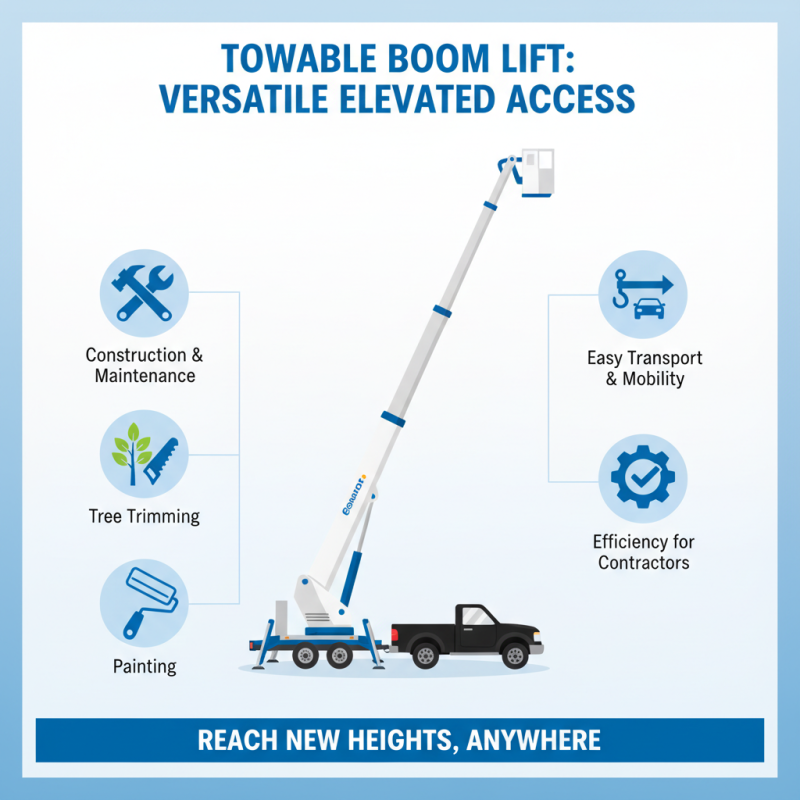
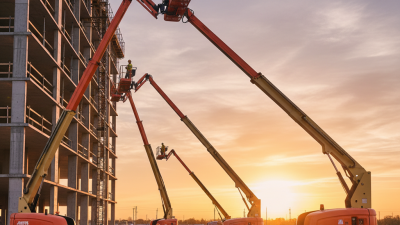
Towable boom lifts are versatile machines designed to provide elevated access for a variety of tasks. These lifts typically feature a telescoping arm that can be extended to reach significant heights, making them ideal for projects ranging from construction and maintenance to tree trimming and painting. Their towable nature allows for easy transport between job sites using a standard vehicle, which eliminates the need for larger trucks or special permits. This feature is particularly advantageous for contractors who require mobility and efficiency.
In addition to their portability, towable boom lifts also boast several operational features that enhance their usability. Many models come equipped with articulating arms, allowing for improved reach and maneuverability around obstacles. Safety is a key consideration as well, with features like automatic leveling systems and sturdy, slip-resistant platforms to ensure worker safety at heights. These lifts are suitable for both indoor and outdoor applications, making them a practical choice for various industries. Understanding these characteristics is essential for effectively incorporating a towable boom lift into your next project, ultimately leading to enhanced productivity and safety on the job site.
Assessing Project Requirements Before Renting a Boom Lift
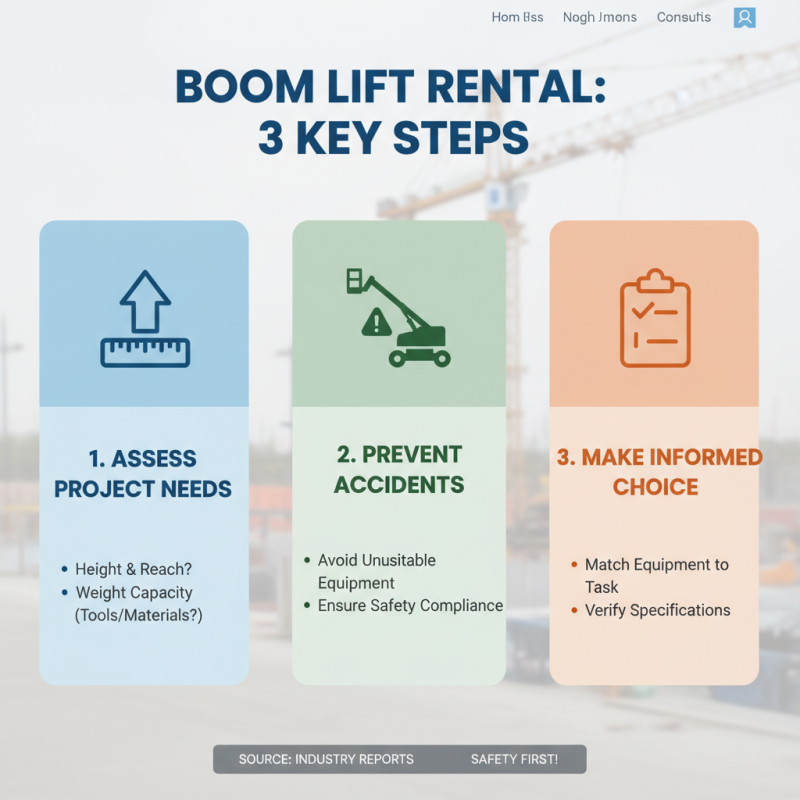
When considering a boom lift rental for your project, the initial step is to thoroughly assess your project requirements. This includes understanding the height and reach necessary for your tasks. According to industry reports, a significant percentage of accidents occur due to unsuitable equipment, which can be mitigated by selecting the right boom lift. Determining the maximum working height required, along with the weight capacity needed to safely handle your tools and materials, is crucial in making an informed rental choice.
Tip 1: Conduct a Site Visit - Before renting a boom lift, it is beneficial to conduct a site assessment. This helps evaluate any potential access issues such as overhead obstacles, ground conditions, and the stability of the area where the lift will be operated. A careful site evaluation can help ensure that your project proceeds smoothly and stays on schedule.
Additionally, understanding the project duration and frequency of use will play a pivotal role in your decision. If your project requires extended lift operations, consider the advantages of renting rather than purchasing equipment. Reports indicate that renting can save companies up to 30% in overall operational costs when factoring in maintenance, storage, and depreciation.
Tip 2: Review Safety Standards - Always verify that the boom lift meets current safety standards and regulations. This is essential not only for compliance but also for ensuring the safety of your crew. Using equipment that adheres to rigorous safety protocols significantly reduces the likelihood of accidents on site.
Key Factors to Consider When Choosing a Rental Company
When choosing a rental company for towable boom lifts, the first key factor to consider is their reputation in the industry. Researching online reviews and testimonials from previous customers can provide valuable insights into the company's reliability and service quality. A rental company with a strong track record is more likely to offer well-maintained equipment and responsive customer support, ensuring that your project runs smoothly without unexpected delays or equipment malfunctions.
Additionally, it's important to evaluate the range of equipment available for rent. A reputable rental company should offer a variety of boom lift models to accommodate different project needs and site conditions. This includes considering factors such as lift height, weight capacity, and ease of maneuverability. Furthermore, inquiring about the maintenance and inspection protocols the company follows can help ensure that the equipment you rent is safe and operational, minimizing the risks associated with equipment failure during your project.
Safety Guidelines for Using Towable Boom Lifts
When using towable boom lifts, safety should be your top priority. Before starting any project, it's essential to conduct a thorough safety briefing with all crew members. Ensure that everyone understands the operational procedures and the specific hazards associated with working at height. Personal protective equipment (PPE) is a must; helmets, harnesses, and non-slip footwear can protect workers against falls and other accidents. Always inspect the boom lift for any damage or malfunctions before use, including checking the stability of the ground and ensuring that outriggers are properly deployed.
During operation, never exceed the weight limit set by the manufacturer and always maintain a safe distance from power lines and other overhead hazards. Operators should be trained professionals familiar with the machine’s controls and capabilities. Regularly communicating with ground personnel helps ensure that everyone is aware of the boom lift's movements and the potential risks involved. Implementing these safety guidelines will help create a secure environment for all team members while maximizing efficiency on the job site.
Tips for Properly Operating and Maneuvering Boom Lifts
Operating a boom lift requires careful attention to safety protocols and operational techniques to ensure a smooth and efficient process. Before maneuvering the lift, it is essential to conduct a thorough inspection of the equipment, checking for any visible damages, fluid leaks, or malfunctions. Understanding the lift’s operational manual will provide valuable insights into weight limits, range of motion, and specific controls. Familiarizing yourself with these details can prevent accidents and extend the lifespan of the equipment.
When it comes to operating and navigating a boom lift, positioning the equipment on stable ground is critical. Make sure to avoid uneven surfaces, steep inclines, or soft soil that can cause the lift to topple. While in operation, maintain a steady hand on the controls, and be aware of your surroundings, particularly overhead hazards such as power lines or tree branches. Communicating clearly with any ground personnel can further enhance safety, ensuring that everyone is aware of the lift's movements and intentions.
Related Posts
-
Top 5 Reasons Towable Boom Lift Rentals Increase Job Site Efficiency by 30%
-
Top 5 Boom Lift Rental Services for Maximum Reach and Safety in 2023
-
2025 Top Cherry Picker Rental Services: Elevate Your Project with the Best Equipment
-
2025 How to Choose the Right Lift Equipment Rental for Your Project
-
Top 10 Benefits of Boom Lift Rental for Your Next Construction Project
-
Discover the Ultimate Guide to Lift Rental: Essential Tips for Your Next Project