skip to Main Content

What is a telescopic forklift and how is it used?

In the growing construction and logistics sectors, a telescopic forklift plays a crucial role. This versatile machine combines features of a forklift and a crane, allowing it to lift heavy loads to great heights. According to a recent report by the Industrial Equipment Association, the demand for telescopic forklifts is expected to rise by 15% annually, driven by increased infrastructure projects.

Industry expert John Smith notes, "The telescopic forklift adapts to various worksite needs, making it a staple in material handling." These machines excel in tight spaces where traditional forklifts struggle. Their adjustable arm extends beyond typical lifting capabilities, offering flexibility in operations. However, improper usage can lead to accidents. Operators must be trained carefully.

Despite their advantages, telescopic forklifts are not without challenges. Maintenance costs can be significant, and operators may overlook safety protocols. An awareness of these aspects is essential for maximizing their benefits while minimizing risks. Proper training and adherence to guidelines are necessary to ensure safety and efficiency in the field.
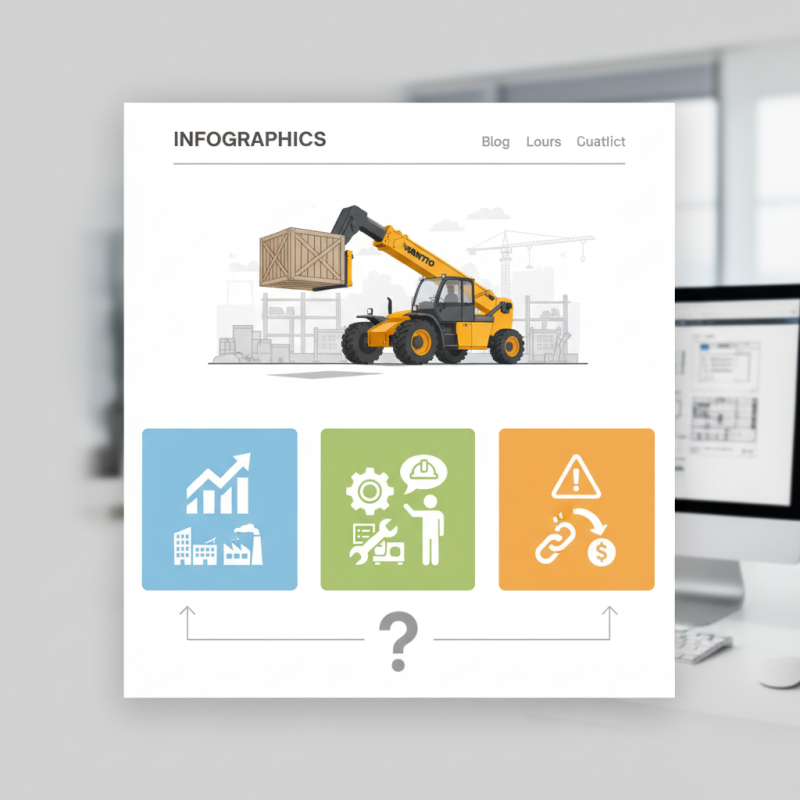
What is a telescopic forklift and how is it used?

What is a Telescopic Forklift: Definition and Overview

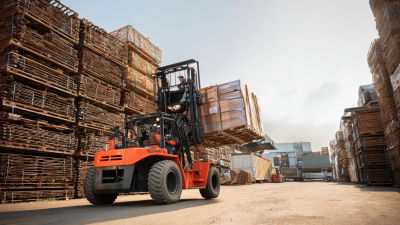
A telescopic forklift is a versatile material handling machine. It features a boom that extends outwards, which allows it to reach heights and distances that standard forklifts cannot. This capability makes it invaluable in construction sites and warehouses. Operators can easily transport heavy loads over obstacles or to elevated platforms.

When using a telescopic forklift, safety is a priority. Always check for stability before lifting. The ground surface must be firm and level. Keep the load close to the machine's body to maintain balance. Overreaching can cause accidents.

Tips to remember: Always inspect the forklift before use. Look for any visible damage or wear. It’s critical to ensure the forks are attached securely. Operators should also have proper training. Knowledge of the machine’s functions can prevent mishaps.

The telescopic forklift offers unique advantages. However, it requires skilled operation. For example, controlling the boom requires practice. New operators may struggle with this. Regular training sessions can help improve efficiency and safety on the job site.
Key Components and Features of a Telescopic Forklift

What is a telescopic forklift and how is it used?

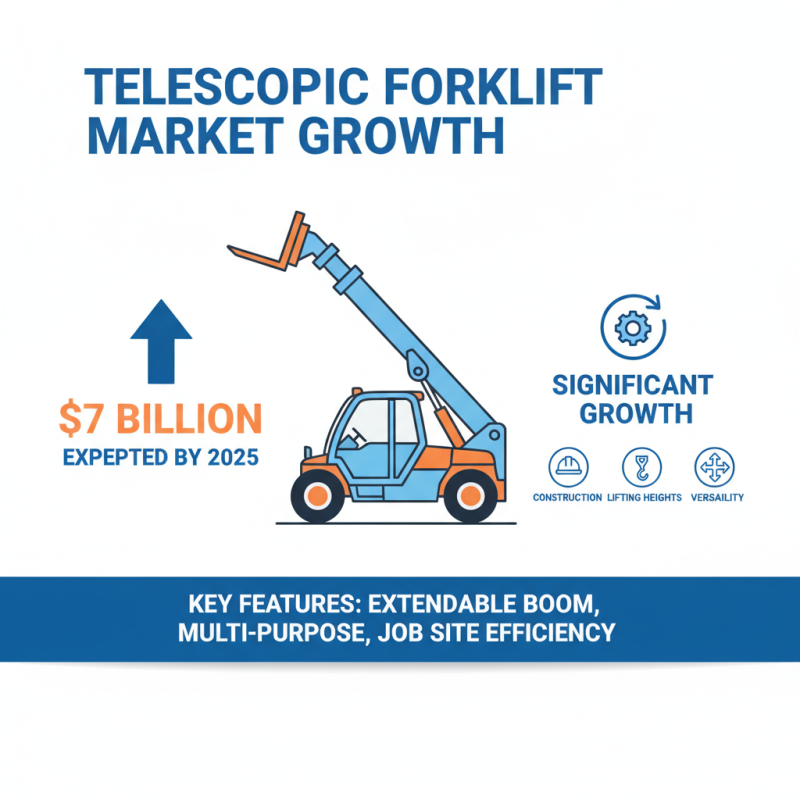
A telescopic forklift, commonly used in construction, features an extendable boom. This design allows for various lifting heights and reaches, making it versatile on job sites. According to industry reports, the telescopic forklift market is expected to grow significantly, reaching approximately $7 billion by 2025.

Key components of a telescopic forklift include the boom, lift arm, and stabilizers. The boom typically extends anywhere from 15 to over 50 feet. This extendability enhances productivity on uneven terrain. Stabilizers provide additional safety, but they can hinder mobility. These forklifts often have a limited turning radius, which may not suit every situation.

Features such as hydraulic systems enable smooth movement of heavy loads. Operators should be aware of load weight limits. Overloading can lead to tipping, creating safety hazards. Some models offer attachments, increasing functionality, but this can complicate maintenance. The balance between efficiency and safety often requires careful consideration.

Applications of Telescopic Forklifts in Various Industries

Telescopic forklifts are versatile machines used in many industries. They are particularly common in construction, agriculture, and warehouses. Their ability to lift and extend loads makes them ideal for reaching high places and navigating tight spaces. These forklifts can easily move materials such as pallets, concrete blocks, and even heavy machinery.

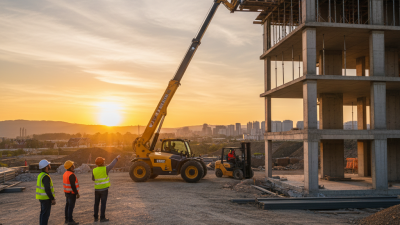
In construction, telescopic forklifts provide essential support for lifting materials to high elevations. They help workers access roofs and upper floors quickly. In agriculture, these machines are used to transport bales of hay or pallets of produce across uneven terrain. Warehouses utilize them to stack goods high on shelves, maximizing storage space efficiently.

Tips: Always check the weight limit before operating a telescopic forklift. Overloading can lead to accidents. Regular maintenance is essential for safety and performance. Ensure the operator is trained properly. Improper use not only wastes time but can also be dangerous. Reflect on past experiences to improve future operations.

Operational Capacity: Lift Height and Load Limits Explained

A telescopic forklift is a versatile machine widely used in construction and agriculture. It features a boom that can extend, allowing it to reach higher spots. Understanding its operational capacity is crucial for effective use and safety.

Lift height is a significant factor. Many telescopic forklifts can reach heights of 30 to 50 feet, depending on the model. However, the actual performance can vary. Studies show that at maximum lift height, the load capacity decreases. For instance, a forklift with a maximum height of 40 feet may only lift 1,500 pounds at that height. Lower heights often allow for greater load capacities, sometimes up to 6,000 pounds at 15 feet.

Load limits are not just numbers; they demand careful planning. Operators need to consider the machine's stability, especially when extended. A recent industry report emphasized that many accidents occur due to overloading beyond the specified limits. It highlights the need for ongoing training and awareness among operators. Misjudgment can lead to equipment failure, personal injury, or property damage. Always consult manufacturer guidelines to ensure safe operations, as each machine has its own limitations.

Safety Practices and Guidelines for Telescopic Forklift Usage

Safety is paramount when operating telescopic forklifts. These machines can extend and lift heavy loads, making it essential to follow strict safety practices. Before starting, operators should complete a thorough inspection. Check for leaks, damaged parts, and proper tire pressure. Ensure all safety features are functional.

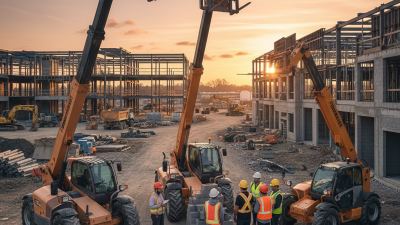
Training is crucial. All operators must receive proper training. They should understand the equipment’s capabilities and limitations. Knowledge of weight distribution is vital. It helps prevent tipping accidents. Operators should wear personal protective equipment at all times. Don't overlook hard hats, gloves, and safety shoes.

Communication on the job site is key. Use hand signals or radios to maintain contact. This ensures everyone is aware of the forklift's movements. Avoid working in poor weather conditions. Rain or wind can affect stability. Remember, even minor distractions can lead to serious accidents. Reflect on past experiences to enhance safety measures continuously. Stay vigilant and prioritize safety at all times.

Back To Top