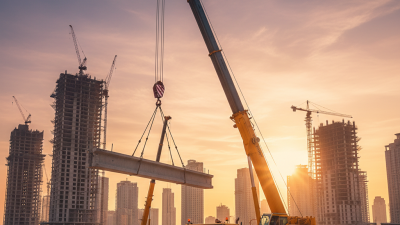
2025 Guide: How to Choose the Right Crane Lift Rental for Your Project
In the world of construction and heavy lifting, selecting the right crane lift rental can make a significant difference in the success of your project. According to industry expert John Harris, a seasoned crane operations manager, "The right crane lift rental not only ensures efficiency but also enhances safety on the job site." As the demand for crane services continues to grow, understanding how to navigate the various options available is crucial for project managers and contractors alike.
When embarking on a new project, the choice of crane lift rental involves several factors that can impact both budget and timeline. These include the type and size of the crane, the specific lifting requirements of your project, and the duration of the rental. Each of these elements plays a pivotal role in ensuring that you choose the right equipment for your needs. Whether it's a small-scale residential job or a large industrial operation, having a clear understanding of your lifting requirements will lead to better decision-making.
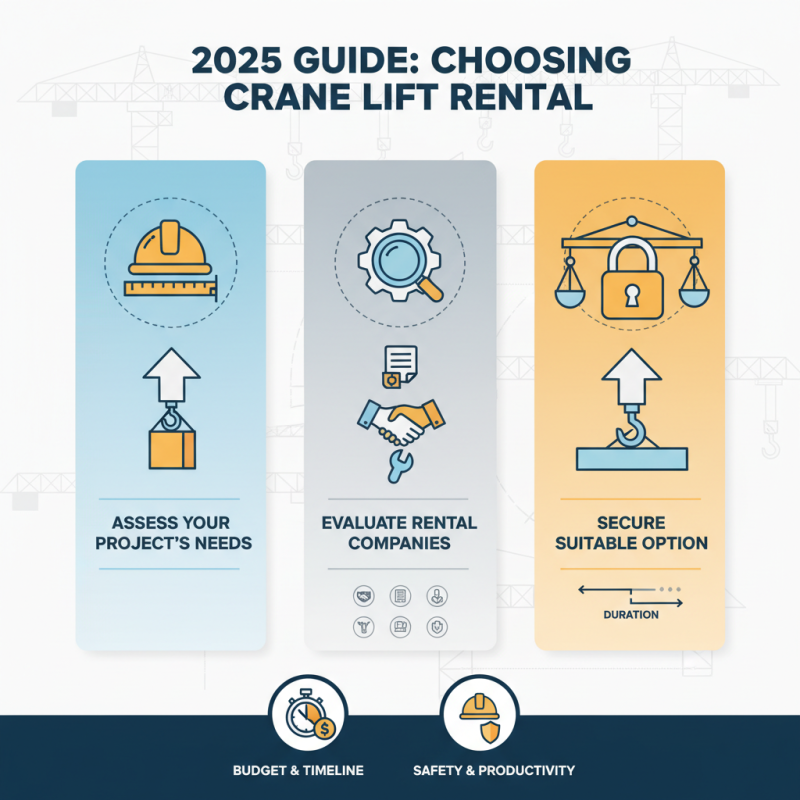
As we delve into the intricacies of crane lift rentals, we will provide guidance on how to assess your project’s needs, evaluate rental companies, and ensure that you secure the most suitable option for your lifting requirements. With the right information, you can confidently choose a crane lift rental that meets your project's demands, enhancing both productivity and safety on site.
Understanding Different Types of Crane Lifts Available for Rent
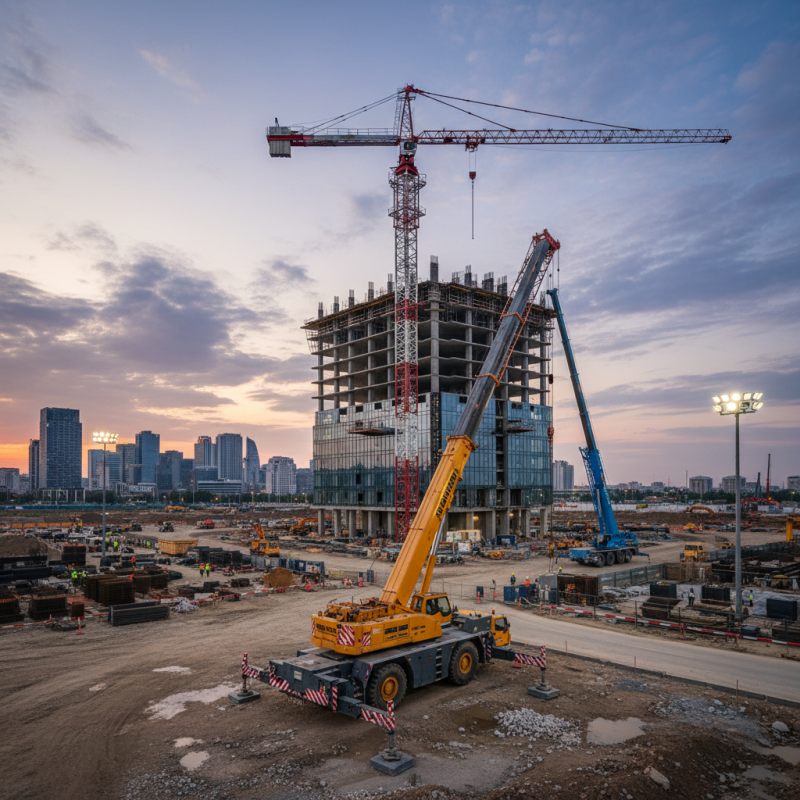
When selecting a crane lift for your project, it's crucial to understand the different types available for rent, as each serves specific needs and applications. According to the latest industry reports, the global crane rental market is projected to grow significantly, with a substantial increase in demand for specialized crane types such as rough terrain cranes, tower cranes, and all-terrain cranes. Rough terrain cranes are particularly noted for their ability to navigate uneven ground, making them ideal for construction sites with challenging landscapes. In contrast, tower cranes are indispensable for high-rise building projects due to their impressive lifting heights and capacities.
Tips: Assess your specific project requirements carefully before making a selection. Consider the load weight, lifting height, and ground conditions, as these factors will dictate the type of crane you need. As general guidelines from industry experts suggest, for heavy-duty construction, all-terrain cranes offer flexibility and performance, while tower cranes excel in urban environments with vertical construction challenges.
Additionally, understanding rental terms and conditions is vital. Many rental companies offer flexible options, but it's essential to ensure that maintenance and operational costs are clearly stated to avoid surprises. Data indicates that adhering to best practices in crane operation can reduce overhead costs by as much as 20%. By comprehensively evaluating these factors, you can ensure optimal efficiency and safety for your project.
Assessing Project Requirements for Crane Lift Rental Selection
When selecting a crane lift rental for your project, it’s crucial to start by assessing your project's specific requirements. A detailed evaluation of the job site, lift capacity, and height are fundamental. According to the American Crane and Transport Magazine, crane-related accidents often stem from improper equipment selection, which underscores the importance of comprehensively understanding the project's demands. For instance, if you are working on a construction site with limited access, a compact crane may be the optimal choice, as it can maneuver more easily in tight spaces.
Moreover, the nature of the materials being lifted plays a significant role in rental selection. Data from the National Institute for Occupational Safety and Health (NIOSH) indicates that lifting heavy and irregularly shaped materials increases the risk of accidents significantly. Therefore, it is recommended to precisely calculate the weight and dimensions of the loads, ensuring that the selected crane has adequate capacity and reach. Additionally, industry standards suggest utilizing cranes equipped with advanced features, such as load moment indicators and telematics systems, to enhance safety and efficiency in lifting operations. By prioritizing these factors, project managers can mitigate risks and select the most appropriate crane rental for their specific needs.
Evaluating Rental Companies: Key Factors and Criteria
When selecting a crane lift rental for your project, evaluating rental companies is crucial for ensuring your operation runs smoothly and efficiently. Start by examining the company's reputation in the industry. Look for reviews and testimonials from previous clients to gauge their experiences regarding service quality, equipment reliability, and overall satisfaction. A well-established company with a solid track record often signifies a commitment to excellence and customer care.
Next, consider the range of cranes and lifting equipment available for rent. A comprehensive inventory allows you to choose equipment that aligns precisely with your project’s requirements. Additionally, assess the maintenance history of the equipment. Companies that regularly service and maintain their cranes tend to offer safer, more dependable machinery, minimizing the risks associated with equipment failure on the job site. Lastly, inquire about the company’s safety measures and certifications, as adherence to industry regulations is essential for protecting both your team and the integrity of your project.
2025 Guide: How to Choose the Right Crane Lift Rental for Your Project
Cost Considerations and Budgeting for Crane Lift Rentals
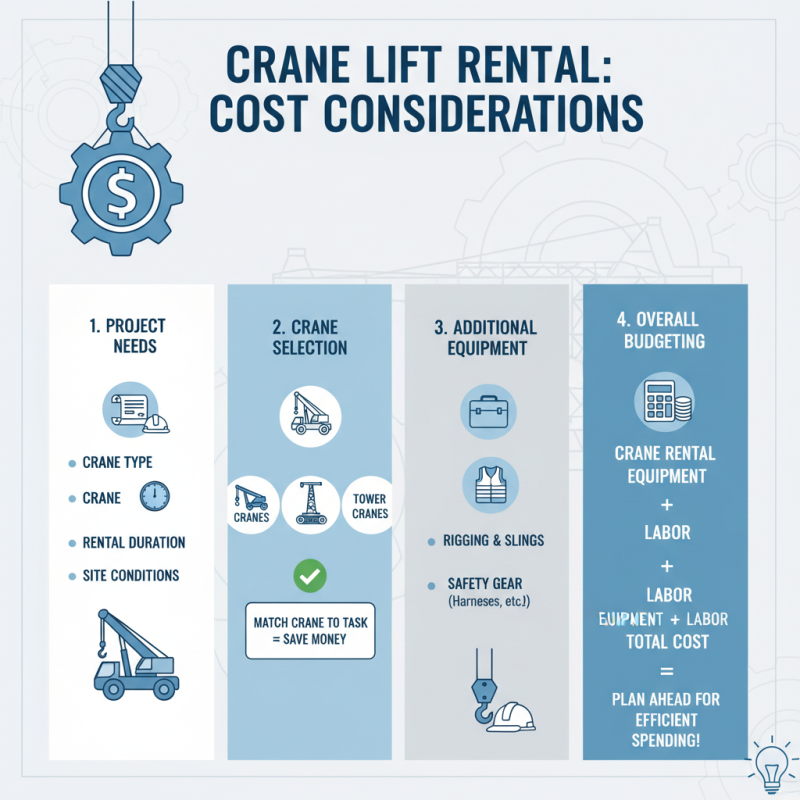
When planning a project that requires crane lift rentals, understanding cost considerations is crucial for effective budgeting. The first step in this process is to evaluate the specific needs of your project, including the type of crane required, the duration of the rental, and site conditions. Different types of cranes come at varying rental rates, so selecting the appropriate model for your task can help avoid unnecessary expenses. Additionally, consider any additional equipment that may be needed, such as rigging or safety gear, as these can contribute significantly to the overall cost.
Budgeting for crane lift rentals should also include hidden costs that often go overlooked. Factors such as transportation fees, set-up and dismantling charges, and potential insurance requirements can add to the total expenditure. It's wise to obtain detailed quotes from multiple rental companies to ensure a clear understanding of all charges. Furthermore, incorporating a contingency budget for unforeseen circumstances, such as longer project timelines or additional labor requirements, can provide a financial cushion, ensuring your project stays on track without significant financial strain.
Safety Protocols and Compliance in Crane Lift Operations
When it comes to crane lift operations, adhering to
safety protocols and compliance measures is paramount
for ensuring both the safety of personnel and the successful completion of projects.
Before initiating any lifting operation, it is crucial to conduct a
comprehensive risk assessment. This assessment should identify potential
hazards related to the specific site, equipment, and workload. Operators must be certified
and trained in the proper handling of crane equipment, and it is essential that they are
well-versed in the safety standards outlined by governing bodies. Failure to follow these
protocols can lead to serious accidents and legal repercussions.
In addition to operator training, the equipment itself must be thoroughly inspected and
maintained. Pre-operation inspections are necessary to verify that all safety devices, such
as brakes and signaling systems, are functioning correctly. Compliance with local regulations
regarding load limits and operational practices cannot
be overlooked. Having a qualified signal person on-site to guide the operation is also a
critical aspect of safe crane lift practices. By prioritizing these safety protocols and
ensuring full compliance with industry standards, project managers can
significantly mitigate risks associated with crane operations and enhance overall project
efficiency.
Related Posts
-
Crane Truck Rental Guide How to Choose the Right Service for Your Needs
-
7 Essential Tips for Choosing Mobile Crane Rental Services
-
Top 10 Mobile Crane Rental Companies Leading the Industry with Market Insights
-
2025 Top 5 Aerial Lift Rental Companies You Need to Know
-
10 Essential Tips for Choosing the Right Boom Truck Rental for Your Project
-
2025 Top 5 Telehandler Forklift Rental Services You Can Trust