How to Estimate Crane Rental Cost for Your Next Project?
When planning a project that requires crane services, understanding crane rental cost is essential. Experts in the industry emphasize the importance of accurate cost estimation. John Smith, a crane rental specialist, once said, “Proper budgeting for crane rental can make or break your project.”
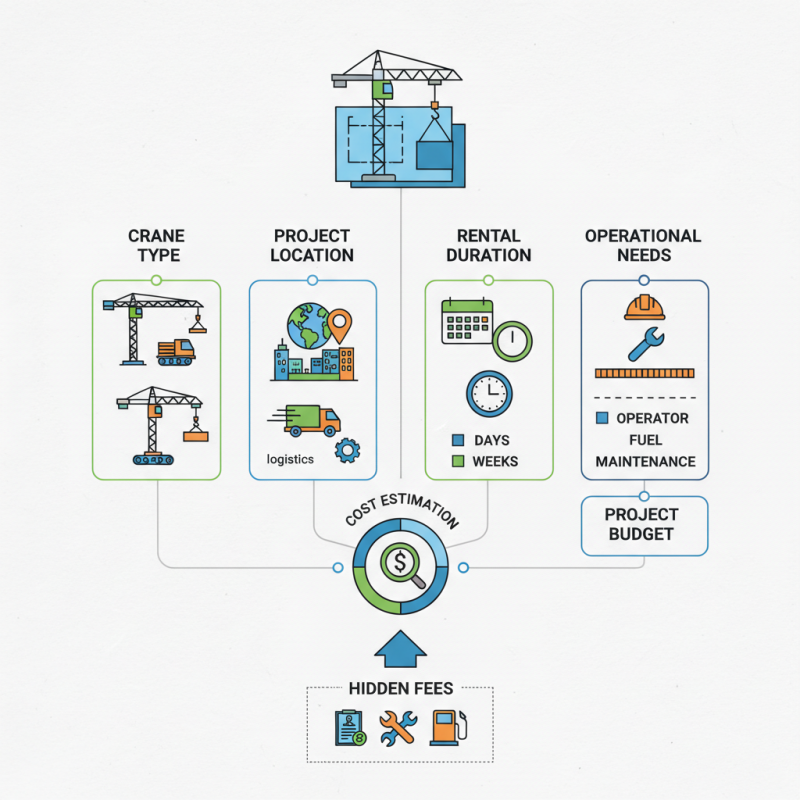
Estimating crane rental cost involves several factors. First, the type of crane needed plays a significant role. Different cranes serve varied purposes, which affects the cost. Project location also impacts pricing due to transport and logistics. Additionally, rental duration and operational requirements must be considered.
It’s easy to overlook hidden fees. These could include insurance, transportation, and even operator costs. Many who underestimate these aspects find themselves in challenging situations. Therefore, do your homework. Gather quotes and ask questions. It's better to overestimate your budget than to face unexpected financial strains. Understanding the intricacies of crane rental cost can significantly enhance project planning and execution.
Factors Influencing Crane Rental Costs in Construction Projects
When estimating crane rental costs for construction projects, several factors come into play. The type of crane needed is crucial. For example, rough terrain cranes typically cost more than tower cranes. According to industry reports, a rough terrain crane can range from $200 to $400 per hour, while a tower crane may start at $150 per hour. Understanding the specific needs of the job site is vital.
Project duration also impacts rental costs. Longer rentals usually lead to discounted rates, but unexpected delays can inflate expenses. A report from the Equipment Leasing and Rental Association suggests that rental equipment costs can increase by 10-15% for extended projects. Additionally, the accessibility of the site should not be overlooked. If a crane must navigate difficult terrain, additional transportation costs may arise.
Labor costs are another consideration. Skilled operators can command premiums, sometimes up to $150 per hour. This means that choosing the right operator is crucial for maintaining budgetary constraints. Ultimately, various factors can significantly influence the final rental cost. Careful planning, thorough site assessments, and operator selection can mitigate unexpected expenses.
Types of Cranes and Their Cost Implications for Rental
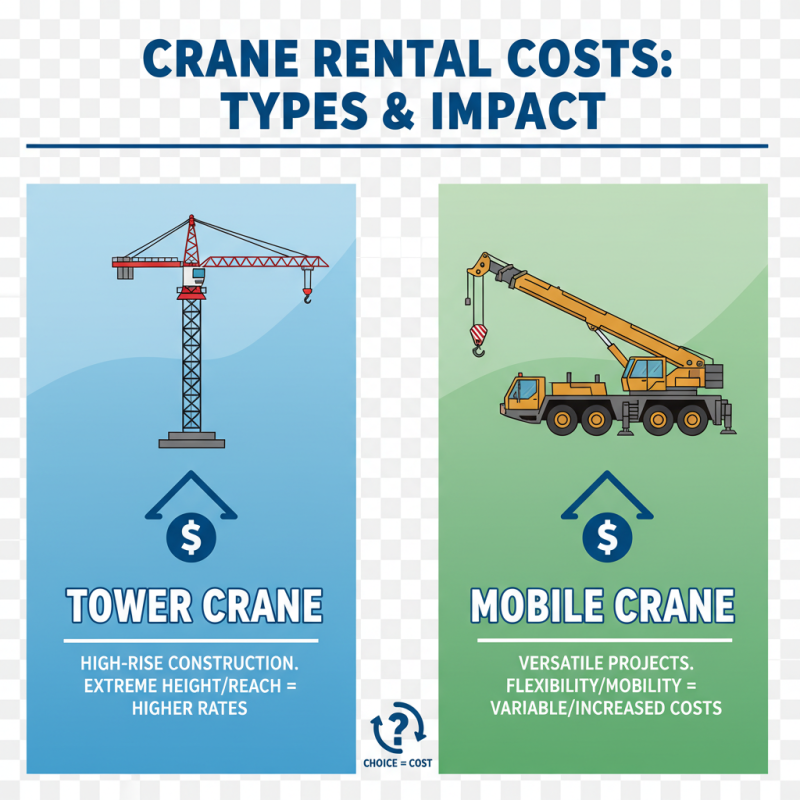
When estimating crane rental costs, understanding the types of cranes is crucial. Each type serves specific functions, impacting pricing. For example, a tower crane is ideal for high-rise construction. Its height and reach come with a higher rental rate. In contrast, a mobile crane offers flexibility for various projects, but this versatility can also lead to increased costs.
The weight capacity of the crane plays a significant role in pricing. A heavy-lift crane can be quite expensive. However, if a lighter crane will suffice for the job, considerable savings may be achieved. It's also necessary to account for the location and duration of the project. Sites with limited access may require additional planning and higher rental fees. Delays can lead to unexpected expenses, complicating the rental process.
Budgeting for crane rental must include these details. Yet, it’s easy to overlook these factors. Rushing decisions can result in higher costs. Additionally, not every project requires the most advanced equipment. Assessing your project's specific needs is vital. Proper planning can simplify the decision-making process significantly.
Calculating Crane Rental Rates: Daily, Weekly, and Monthly Pricing
When estimating crane rental costs, understanding pricing structures is essential. Crane rental rates typically vary based on timeframes: daily, weekly, and monthly. A study by the Crane Rental Industry Association suggests daily rates average between $300 to $1,500, depending on the crane type and capacity. For larger cranes, this number can escalate sharply. Knowing this helps plan budgets accurately.
Weekly rentals can offer some savings. Rates generally hover between $1,500 and $5,000. This translates to a significant cost-efficiency for long-term projects. However, it's crucial to consider potential hidden fees, like transportation and setup costs. Monthly rentals often provide the best value, ranging from $4,000 to $12,000. These figures may seem daunting, but they reflect varied project demands.
While these estimates provide a rough guideline, they can fluctuate. Geographic location, market demand, and economic factors will influence pricing. A spike in construction activity can inflate costs without warning. Regularly reviewing industry reports is advisable to stay informed about trends and potential savings opportunities. Consider whether a more affordable option could meet project needs—sometimes a smaller crane can do the job effectively.
Estimating Additional Costs: Insurance, Transportation, and Operators
When calculating crane rental costs, don't forget the additional expenses. Insurance, transportation, and operator fees can significantly affect your budget. Understanding these costs can help you avoid surprises later.
Insurance is crucial. It protects against accidents and liabilities. Insurance rates vary based on project type and crane size. Request multiple quotes to find a reasonable price. Consider coverage levels carefully. Cheap insurance may not offer adequate protection.
Transportation costs also impact your rental budget. The distance between the rental facility and your project site matters. Local deliveries are cheaper. Long distances increase fees. Always confirm transportation rates upfront to ensure clarity.
Lastly, hiring operators adds another layer of expense. Experienced operators command higher rates. However, their expertise reduces potential mistakes and accidents. Assess the project’s requirements to determine operator needs. If your project is complex, investing in skilled labor can be wise.
Tips:
Always draft a detailed budget that accounts for all potential costs. Unexpected expenses can derail your project. Regularly review and adjust your estimates as the project progresses. This approach can prevent financial strain down the line.
Market Trends in Crane Rental: Demand, Pricing, and Availability
The crane rental market is currently experiencing notable shifts influenced by demand, pricing, and availability. Recent industry reports indicate a steady increase in demand for cranes, particularly in the construction and energy sectors. According to a 2023 market analysis, crane rental demand has surged by 15%, driven largely by infrastructure projects. This growing need is pushing rental prices up, with average costs rising by approximately 10% year-over-year.
Availability is another crucial factor. As demand increases, cranes can become harder to find. Data shows that in some regions, equipment availability has decreased by 20%. Companies may need to book rentals months in advance. This trend can lead to unexpected expenses. It's essential to stay ahead of the competition when planning your project.
Tip: Always compare rates from multiple vendors. This can help you secure better deals.
Another point to consider is the type of crane needed. The market is diverse, with options from boom lifts to tower cranes. Each type has its own rental rates and availability. Knowing the specific requirements of your project can save you time and money. Focus on precise calculations when estimating costs, as overlooked details can lead to budget overruns.
Tip: Be clear about your project's size and weight specifications. This information is vital.
Related Posts
-
Top 10 Mobile Crane Rental Companies Leading the Industry with Market Insights
-
How to Determine Crane Rental Cost Effectively?
-

2025 Top Bucket Lift Rental Trends Driving Efficiency and Safety in Construction
-
What is an Articulating Boom Lift Rental and How Does It Work?
-
How to Find the Best Boom Rentals for Your Construction Projects
-
Top 10 Benefits of Boom Lift Rental for Your Next Construction Project