
skip to Main Content

How to Choose Tarpaulin Sheets in 2026?

Choosing Tarpaulin Sheets in 2026 requires more than comparing thickness and price. A sheet that looks strong under showroom lights may crack after months of sunlight, folding, and rain. The right choice depends on the application, local weather, fabric construction, coating, and expected service life. A garden cover needs different protection than a truck tarp or construction shelter.

Experienced buyers usually inspect denier, weave density, GSM, waterproofing, UV resistance, and seam quality. They also check temperature tolerance and how easily the material can be repaired. PVC-coated polyester often suits demanding outdoor work, while polyethylene sheets may offer a lighter and more economical option. Neither material is perfect. A heavier sheet can resist tearing, yet it may become difficult to install safely in strong wind.

Reliable suppliers should provide clear specifications, test information, care instructions, and consistent product samples. Certifications can support confidence, but they should not replace practical evaluation. Rub a small sample, examine the eyelets, and fold the edge several times. Weak stitching often reveals itself there. Ask how the sheet performed in real projects, not only in advertisements. This guide examines the details that matter in 2026, including durability, weather exposure, handling, sustainability, and total ownership cost. The final decision should reflect actual conditions, because the cheapest tarp may become the most expensive after repeated replacement. Better judgment comes from testing assumptions.
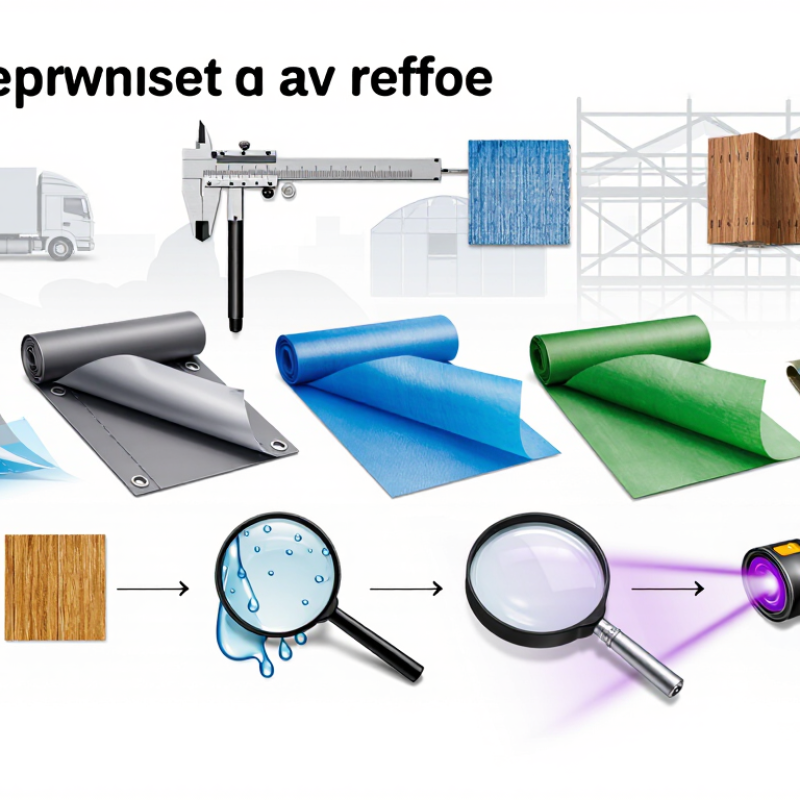
How to Choose Tarpaulin Sheets in 2026?

What Tarpaulin Sheets Are and How They Are Used

Tarpaulin sheets are flexible covers made to shield objects from sun, rain, dust, and wind. They are commonly produced from polyethylene, canvas, or coated fabric. Each material behaves differently under pressure. A sheet can cover garden furniture, building materials, vehicles, soil, or temporary outdoor workspaces. I have found that correct sizing matters as much as material choice. Measure carefully.

For outdoor storage, woven polyethylene offers light weight and useful water resistance. Canvas feels stronger and allows limited airflow, which may reduce trapped condensation. Coated fabric usually provides a smoother, more sealed surface for demanding weather exposure. Check the sheet’s thickness, reinforced edges, and grommet spacing before buying. Weak eyelets can fail before the fabric does. Do not assume a heavy sheet is always better.

In 2026, selecting a tarpaulin sheet also means considering repair, reuse, and disposal. Look for clear specifications instead of vague claims about durability. A cover should extend beyond the protected item without dragging on the ground. Secure it with suitable straps, and leave ventilation where moisture could collect. I once chose a large sheet for convenience, but wind turned the loose edges into a hazard. That mistake changed my approach. For repeated use, inspect seams, corners, and eyelets after every harsh-weather period. Small damage grows quickly.

How to Match Tarpaulin Materials With Your Intended Application

How to Choose Tarpaulin Sheets in 2026?

Choosing a tarpaulin starts with the job, not the color or price. A light polyethylene sheet suits short-term covering, garden storage, and clean indoor work. It folds easily and resists rain. However, sharp edges can tear it quickly. I have seen a new sheet fail after one windy night because its eyelets were poorly supported.

For truck beds, construction areas, and repeated outdoor use, coated polyester offers stronger abrasion resistance. PVC-coated fabric is heavier, but it handles frequent movement and wet conditions better. Canvas allows more breathability, which helps cover firewood or equipment that may trap moisture. It is less suitable for constant rain. Choose TPU-coated material when flexibility and chemical resistance matter, but check the product’s temperature range carefully.

Small details matter.

Match thickness with stress. A thin sheet may work over patio furniture, while a reinforced, heavy sheet suits machinery or scaffolding. Check the eyelet spacing, seam construction, UV rating, and tear strength. Do not judge durability by weight alone. Some heavy sheets feel reliable but stretch around weak fastening points. Leave enough slack for drainage, yet avoid loose folds that collect water. I still prefer testing a sample during one weather cycle before buying in bulk. Product specifications can be accurate, but real exposure is often less forgiving.

How to Select the Right Size, Weight, and Thickness

How to Choose Tarpaulin Sheets in 2026?

Size should match the job, not just the object.

Measure the covered length, width, and height. Add at least 30 centimeters on each side for folding and tie-downs. For a truck load, include extra material around corners. Too little overlap exposes the cargo. Too much creates dangerous flapping.

Weight and thickness are related, but they are not identical. ISO 2286-2 measures coated fabric by mass per unit area, usually in grams per square metre.

A light sheet near 90–120 g/m² suits short-term indoor covering. Medium sheets around 150–250 g/m² handle routine outdoor storage. Heavy sheets above 300 g/m² offer better abrasion resistance, although they become harder to install.

The U.S. Federal Highway Administration reports that wind loads increase sharply with exposed surface area. Therefore, a larger sheet needs stronger eyelets and closer tie spacing.

Thickness helps resist punctures, but it cannot fix poor fabric or weak seams. ASTM D751 evaluates coated fabrics for tensile strength, tear resistance, and hydrostatic resistance. Check these test results when available.

I once chose an oversized, heavy sheet for a small machine. It survived rain, but installation became awkward and unsafe. That choice was excessive.

Reflect on exposure time, wind, rubbing surfaces, and handling frequency. For uncertain conditions, buying the thickest option is not always professional. Performance data matters more than a large number on the label.

How to Compare Waterproofing, UV Resistance, and Durability

How to Choose Tarpaulin Sheets in 2026?

Choosing a tarpaulin starts with the job, not the advertised thickness. A sheet covering firewood needs different protection from one sheltering machinery. Check the fabric weight, weave density, coating type, and seam construction. Heavier material often resists tearing better, but it may become difficult to handle. Waterproofing depends on more than a coated surface. Inspect welded or stitched seams, reinforced corners, and tightly finished eyelets. Water can enter through small punctures or stretched holes. A useful field check is to place the sheet over a clean frame and observe seepage after several hours of steady rain. Do not judge it after a quick splash.

UV resistance matters where sunlight reaches the sheet daily. Look for stated UV stabilization and outdoor service information. A silver-looking surface is not proof of long-term protection. Sunlight can fade, stiffen, and weaken fabric gradually. I once trusted a bright coating too quickly; the sheet looked excellent, yet its folds cracked after one hot season. That mistake taught me to examine flexibility after exposure, not appearance alone.

Durability also includes abrasion, wind movement, and temperature changes. Rub the material against a rough edge, and damage may begin invisibly. Compare tear strength, edge reinforcement, and expected service life. A very tight sheet can fail when wind pulls against weak eyelets. Leave controlled slack, secure the perimeter, and inspect stress points regularly. Specifications help, but real conditions remain messier than laboratory tests.

How to Check Features, Safety Standards, and Overall Value

How to Choose Tarpaulin Sheets in 2026?

Choosing a tarpaulin should begin with the job, not the lowest price. Measure the covered area, expected wind, sunlight, moisture, and contact surfaces.

A heavy fabric can still fail when weak eyelets tear under tension. Check fabric mass, coating type, seam construction, and stated tensile strength. GSM matters, but it does not prove durability.

Ask for test evidence, not vague claims. ISO 1421:2016 measures tensile strength of coated fabrics, while ASTM D751-19 evaluates coated-fabric performance. For flame behavior, NFPA 701:2023 provides standardized textile testing, but compliance may depend on the final use.

A sheet marked “waterproof” may resist rain but still leak through damaged seams. Inspect a sample after folding, stretching, and rubbing it against a rough edge.

Small details reveal more than glossy specifications.

Overall value includes replacement cost, installation time, and maintenance. Compare the warranty with UV exposure, temperature limits, and repair options.

Professional procurement reports often separate laboratory performance from field reliability; buyers should do the same. A cheaper sheet may cost more after repeated replacement.

I would also question unusually perfect claims. No fabric performs equally well in freezing weather, strong sunlight, and constant abrasion. That limitation is easy to overlook.

Article Source:

Back To Top