How to Choose the Right Lift Rental for Your Project Needs?
Selecting the right lift rental can significantly impact your project's success. A lift can enhance productivity and ensure safety. However, the options available can be overwhelming. Your choice should be based on specific project needs.
Consider the type of tasks you will perform. Aerial work platforms are suitable for indoor applications, while rough terrain lifts are ideal for outdoor projects. Assess the height and weight requirements as well. These factors affect the lift type you'll need.
Additionally, think about the rental duration and budget. Some companies offer better prices for long-term rentals. Yet, you might find unexpected costs arising during the rental period. Take the time to read the fine print. Understanding your requirements ensures you make informed choices, leading to smoother project execution.
Understanding Your Project Requirements for Lift Rental
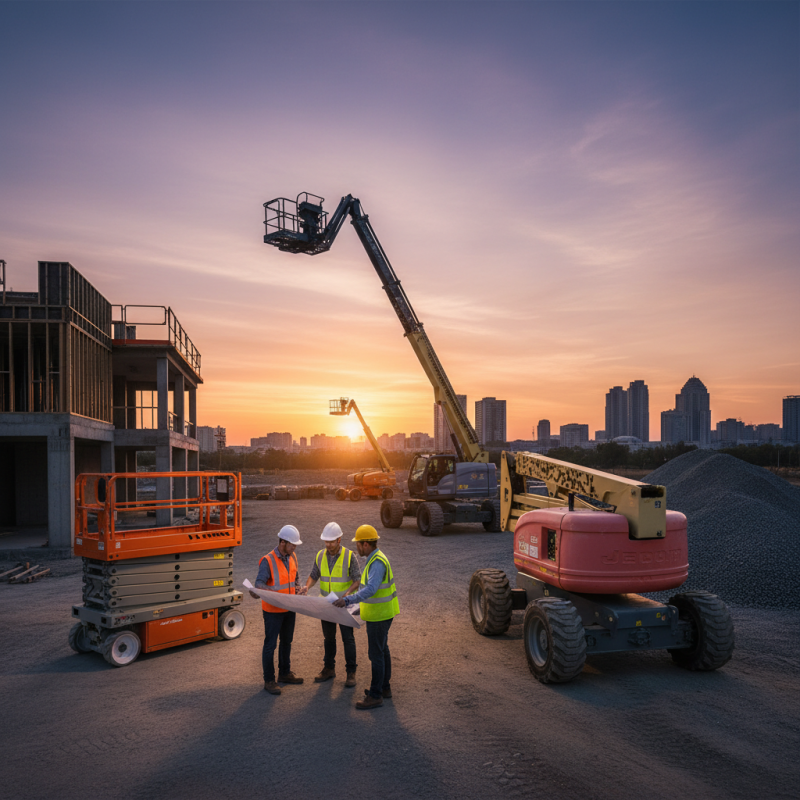
When it comes to lift rental, understanding your project requirements is crucial. The type of lift you choose heavily depends on your specific needs. Are you working indoors or outdoors? Is the ground surface stable or uneven? These factors affect which lift will be most effective. For instance, a rough terrain lift works well for outdoor sites with uneven ground. On the other hand, a scissor lift is a better choice for indoor usage in tight spaces.
Consider the height you need to reach. Determine how high your worksite is. This will help you find a lift with the right reach. Sometimes, you might think you need extra height, but a careful assessment may reveal otherwise. Perhaps you only need a modest lift. Additionally, think about the weight capacity. If you're lifting heavy materials, it’s vital to choose a lift that can handle the load. A common mistake is to underestimate weight needs, which can lead to unsafe situations on-site.
Taking the time to evaluate these elements will save you headaches later. It’s essential to reflect on what you truly need versus what may appear appealing. Sometimes, opting for the more extravagant option can lead to unnecessary costs and complications. Be mindful of your project’s reality. A thoughtful approach ensures you select the right lift rental for your project needs.
Types of Lifts Available for Various Applications
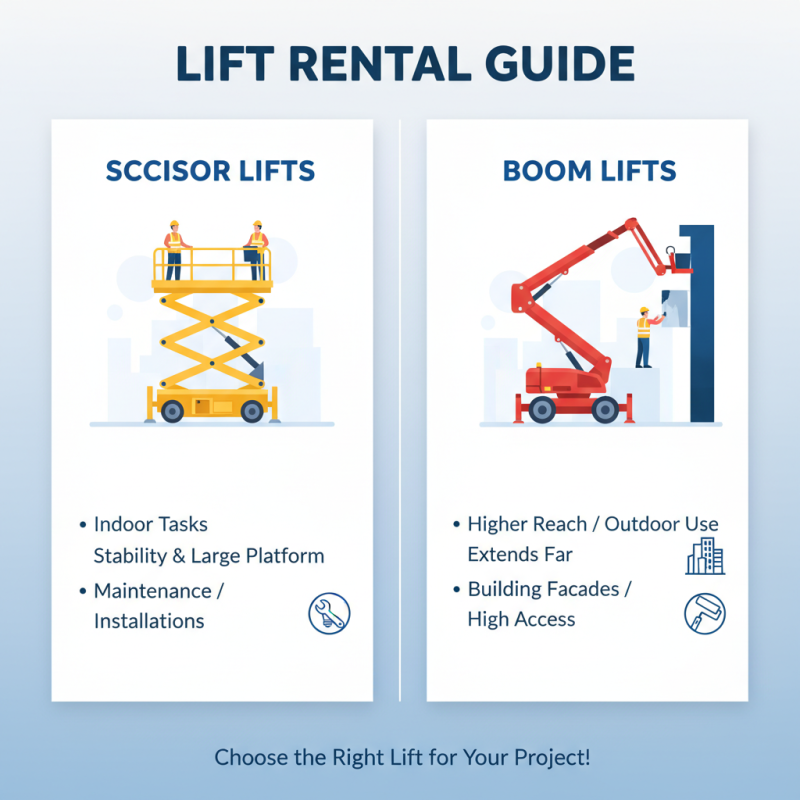
When it comes to lift rentals, different types serve various purposes. Scissor lifts are popular for indoor tasks. They provide stability and a large platform, making them ideal for maintenance or installations. If your project requires reaching higher areas, boom lifts are the choice. They extend far, allowing access to hard-to-reach spaces. Contractors often prefer them for outdoor applications, like building facades.
Telehandlers offer versatility, combining lift capabilities with a fork attachment. They are helpful for lifting materials as well as people. However, managing a telehandler requires training and skill. Not everyone can operate one safely. Always assess your team’s abilities and training before deciding. You wouldn’t want to compromise safety for convenience.
Keep the project’s specifics in mind. Understanding the height and weight requirements is crucial. Will the lift fit in the designated area? These details matter. Sometimes, contractors overlook the space needed for maneuvering. The wrong choice can lead to delays. Evaluate all options carefully. Determine which lift aligns best with your project's demands.
Factors to Consider When Selecting a Lift Rental
Choosing the right lift rental for your project can be overwhelming. Understanding your specific needs is key. You should consider the lift height required. Different projects demand different heights. A construction site might need a tall lift, while a warehouse can manage with a lower one.
Another factor is the lift's weight capacity. Ensure the lift can handle your equipment and personnel. A lift that is too small can cause delays and hazards. Always double-check the weight limits before finalizing your choice.
Tips: Plan your workload well. Estimate how many people will use the lift and for what duration. This ensures you choose a model that fits your timeline. Also, ask about maintenance. A well-maintained lift reduces the risk of breakdowns during critical periods. Remember, not every solution fits every project. Adaptability is essential. Consider whether you might need extra features later on.
How to Choose the Right Lift Rental for Your Project Needs?
| Factor | Description | Importance Level (1-5) |
|---|---|---|
| Lift Type | Determine the appropriate lift type based on the project requirements (e.g., scissor lift, boom lift). | 5 |
| Weight Capacity | Ensure the lift can support the weight of personnel and materials. | 4 |
| Height Reach | Consider the maximum height you need to reach for your project. | 5 |
| Site Conditions | Evaluate the terrain and space available for lift operation. | 4 |
| Rental Duration | Determine how long you need the lift to optimize costs. | 3 |
| Safety Features | Check for safety features such as stability systems and emergency stops. | 5 |
| Service Support | Evaluate the level of support provided by the rental company during use. | 4 |
Evaluating Rental Companies and Their Offerings
When evaluating rental companies for lift rentals, it's essential to consider a few crucial factors. Industry reports indicate that the equipment rental market is expected to grow significantly, with expectations of reaching over $100 billion by 2024. This growth highlights the importance of choosing reliable rental firms. Look for companies that offer a wide range of lifts, from aerial work platforms to forklifts. Diverse options show a company's commitment to meeting different project needs.
Tips: Verify the company's safety records. A reliable rental provider should have a solid history of safety compliance. Safety incidents can lead to project delays and increased costs.
Additionally, assess the customer service quality. Companies with responsive support can make a project run smoother. During peak seasons, availability may become scarce. Choose a company known for timely deliveries. Furthermore, inquire about maintenance practices. Equipment that is well-maintained operates more efficiently and can save you time.
Be cautious of deals that seem too good to be true. They may compromise on equipment quality or service. Always request recent customer feedback to measure their reliability. Make informed choices based on genuine service reviews.
Cost Considerations and Budgeting for Lift Rentals
When renting a lift, budgeting is crucial. Start by determining how long you’ll need it. Short-term rentals may seem cheaper, but daily rates can add up quickly. Consider hidden costs too. Delivery fees, insurance, and fuel surcharges can inflate your budget unexpectedly.
It’s essential to get multiple quotes. This helps compare rates and avoid overpaying. Think about any additional equipment you might need. A lift may require safety gear or specialized attachments. All these factors impact your overall costs. So, calculate them early.
Lastly, don’t forget about maintenance and potential damages. Some rental agreements require you to cover repair costs. Always read the fine print before signing. This can prevent unexpected expenses later. Balancing cost with quality is vital for a successful project.
Related Posts
-
2025 Top Cherry Picker Rental Services: Elevate Your Project with the Best Equipment
-
How to Choose the Right Aerial Lift Rental for Your Project?
-
2025 Top 5 Aerial Lift Rental Companies You Need to Know
-

2025 Top Bucket Lift Rental Trends Driving Efficiency and Safety in Construction
-
2025 How to Choose the Right Lift Equipment Rental for Your Project
-
Top 10 Benefits of Boom Lift Rental for Your Next Construction Project
