skip to Main Content

How to Choose the Right Construction Lift Rental for Your Project Needs

Choosing the right construction lift rental is a critical decision that can significantly impact the efficiency and safety of any construction project. According to the American Rental Association, the construction equipment rental market is expected to reach $60 billion by 2025, with construction lifts being a substantial part of this growth. As the demand for vertical transportation solutions increases, understanding the various options available becomes essential for project managers and construction professionals.

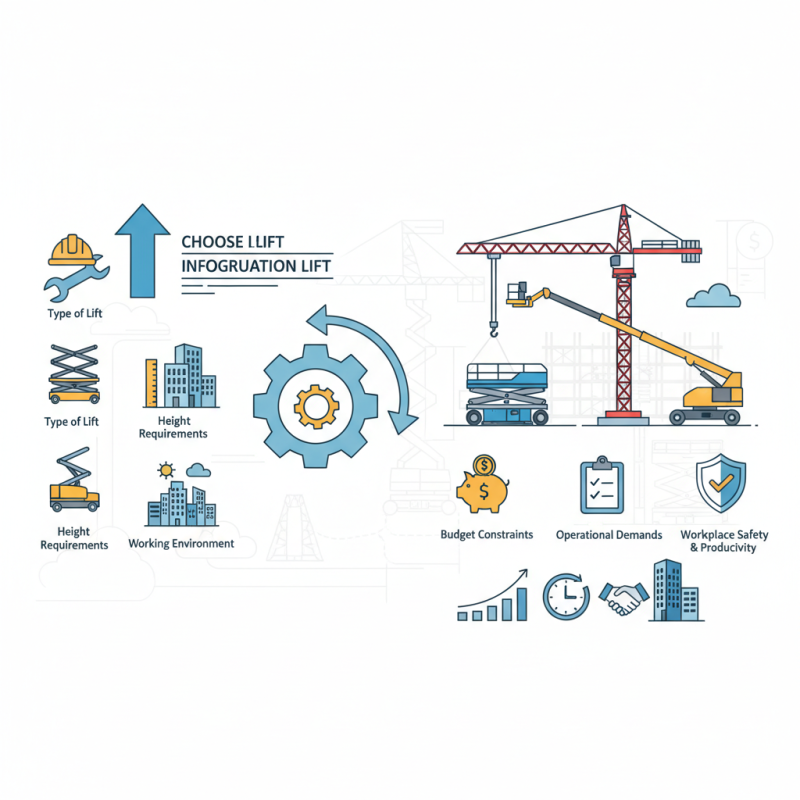
When selecting a construction lift rental, several factors must be considered, including the type of lift needed, the project's height requirements, and the working environment. According to a report by IBISWorld, the construction lift rental sector has experienced steady growth, reflecting an increased focus on workplace safety and productivity in the construction industry. Accurate evaluation of project needs, combined with an understanding of equipment specifications and rental terms, will ensure that the chosen lift aligns with both budget constraints and operational demands.

In conclusion, making an informed choice in construction lift rental not only enhances productivity on-site but also contributes to the overall success of construction projects. With the right equipment, construction teams can improve workflow, reduce downtime, and maintain a high standard of safety, leading to more efficient project completion and ultimately, greater profitability.
How to Choose the Right Construction Lift Rental for Your Project Needs

Understanding Different Types of Construction Lifts Available for Rent
How to Choose the Right Construction Lift Rental for Your Project Needs

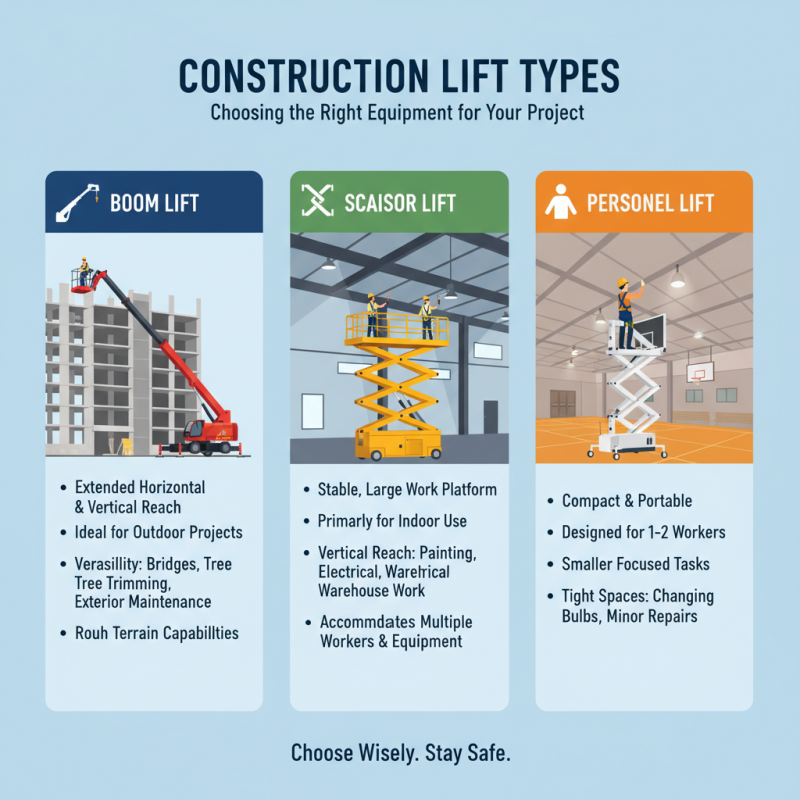
When considering a construction lift rental, it's crucial to understand the different types available, as each type serves specific project needs. The most common types of lifts include boom lifts, scissor lifts, and personnel lifts. Boom lifts, also known as aerial work platforms, provide extended reach and are ideal for outdoor projects where height and versatility are essential. Scissor lifts offer a stable work platform and are typically used for indoor applications, providing excellent vertical reach for jobs like painting or maintenance. Personnel lifts, on the other hand, are compact and designed for smaller jobs, accommodating one or two workers at a time.

**Tips:** Before selecting a lift, assess the height and weight requirements of your project carefully. Knowing the maximum height you need to reach and the weight of the materials or equipment you will be lifting will help identify the appropriate lift type. Additionally, evaluate the work environment; whether the lift will be used indoors or outdoors can impact your choice significantly.

Another crucial factor is safety features. Look for lifts that come equipped with safety rails, emergency stopping mechanisms, and proper stability controls. Ensuring that your chosen lift meets safety standards protects both workers and the integrity of your project, making safety a priority in your selection process.

Assessing Project Requirements for Selecting the Right Lift

When selecting the appropriate construction lift rental for a project, it’s essential to first assess your project requirements thoroughly. According to a report by the American Rental Association, the construction industry is projected to grow by 6% annually over the next five years, emphasizing the increasing reliance on construction rentals for efficiency and cost-effectiveness. Understanding the scope of your project, including the height, weight capacity, and load requirements of the lift, is critical to ensuring optimal performance and safety on-site.

In addition to physical requirements, it’s important to consider the project environment. Factors like space constraints, ground conditions, and the type of materials being lifted can significantly influence the choice of lift. A study from the National Safety Council highlights that improper selection of equipment can lead to accidents, suggesting that detailed assessments of both technical specifications and site conditions are vital. For example, selecting a lift that can maneuver in tight spaces or adapt to varying terrain can prevent operational delays and promote safety. By carefully evaluating project needs and conditions, construction managers can make informed decisions that enhance productivity while minimizing risks.

Evaluating the Load Capacity and Height Requirements

When selecting the right construction lift rental, understanding the load capacity and height requirements is crucial for your project's success. The load capacity represents the maximum weight the lift can safely handle. It’s essential to assess the materials or equipment that will be lifted—whether it's heavy machinery or bulk materials—and ensure that the chosen lift can accommodate these weights without exceeding its limits.

Height requirements are equally important. Consider the highest point you need to reach, whether for installation, maintenance, or construction purposes. Different types of lifts offer varying height capabilities, and selecting one that fits your specific needs will ensure efficiency and safety on the job site. Always measure your project area accurately and consider any overhead structures or constraints that might affect lift operation.

Tips: Before renting, consult with a lift rental expert to discuss your load and height requirements in detail. They can provide guidance on the most suitable options. Also, check for any additional safety features that the lift might offer, as these can enhance operational safety and ease of use. Finally, consider scheduling your rental during off-peak times to potentially secure better pricing and availability.

Considering Rental Duration and Budget Constraints

When selecting a construction lift rental, two critical factors that significantly influence your choice are rental duration and budget constraints. Understanding the length of your project gives you insight into the rental terms that will best suit your needs. Short-term projects may benefit from daily or weekly rental agreements, which provide flexibility but could be more expensive over time. Conversely, for long-term projects, negotiating a monthly or even yearly rental can lead to significant cost savings. Evaluating your project timeline will help you align the rental terms with your operational efficiency.

Budget constraints are equally important in the decision-making process. Establishing a clear budget allows you to realistically assess which lifts are within your financial reach. It’s essential to consider not just the rental rate, but also additional costs such as transportation, maintenance, and any required safety equipment. By factoring in these elements, you can avoid unexpected expenses that could strain your project budget. Careful planning and budgeting will ultimately enable a smooth rental experience, ensuring you select the right equipment that meets your project needs without compromising financial stability.

Safety Features and Maintenance Checks for Construction Lifts

When selecting a construction lift, safety features should be a top priority. A well-designed lift can significantly reduce the risk of accidents on the job site. Look for features such as overload protection systems, emergency stop buttons, and safety gates that prevent accidental falls. Additionally, good visibility is essential; ensure that the lift provides clear sightlines for operators and bystanders to enhance situational awareness. Safety harness points should also be available, allowing workers to secure themselves while navigating the lift.

Regular maintenance checks are crucial to ensuring that construction lifts operate safely and efficiently. Before renting a lift, inquire about the maintenance schedule it has undergone. A thorough inspection should include checks for mechanical components, hydraulic systems, and electrical connections. It’s also important to evaluate the condition of the lift's surfaces to prevent slips and falls. Make sure that the rental company provides documentation of past maintenance records, assuring compliance with safety standards. Consistent maintenance not only prolongs the lifespan of the equipment but significantly reduces the likelihood of malfunction during use.

How to Choose the Right Construction Lift Rental for Your Project Needs - Safety Features and Maintenance Checks for Construction Lifts

Lift Type Weight Capacity (lbs) Max Height (ft) Safety Features Maintenance Interval (months)
Rough Terrain Forklift 10,000 30 Stabilizers, Load Sensors 6
Scissor Lift 2,500 40 Emergency Descent, Safety Bar 3
Boom Lift 500 60 Tilt Sensors, Platform Control 4
Telehandler 12,000 40 Load Moment Indicator, Seatbelt 12
Back To Top