
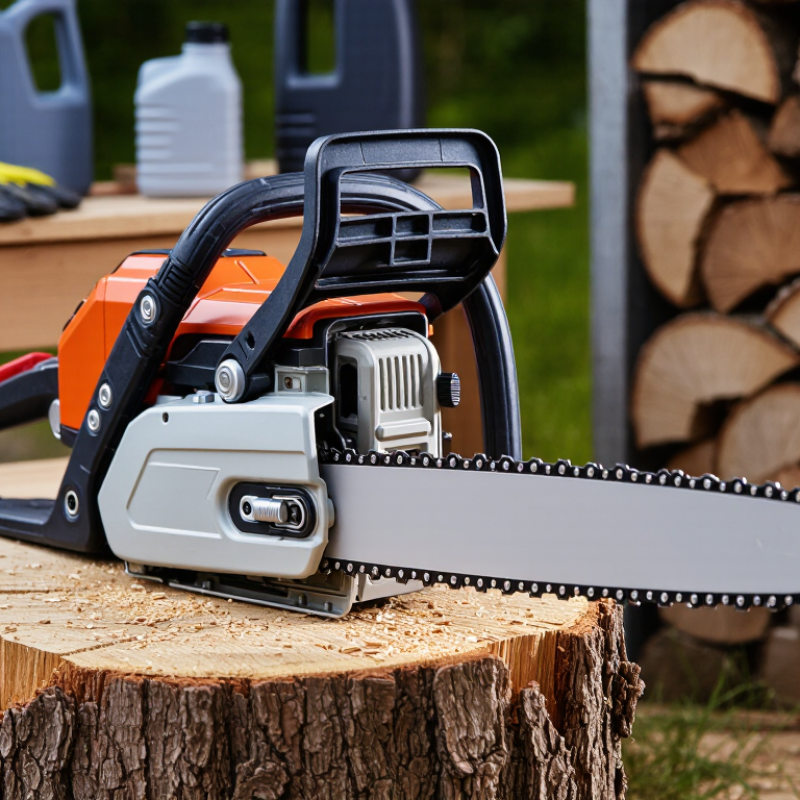
How to Choose a Wood Cutting Chain Saw?
Power source changes the cutting experience more than many buyers expect. A petrol chainsaw offers strong, continuous output for large logs and remote woodland. Its two-stroke engine is light, but it needs mixed fuel, regular tuning, and louder operation. Four-stroke designs can improve fuel efficiency, yet they are usually heavier. That extra weight becomes tiring during shoulder-height cutting.
Battery models use brushless electric motors. They start instantly and produce no exhaust at the cutting site. The International Energy Agency reported a 14% decline in lithium-ion battery prices during 2023. This trend supports better cordless value, although runtime still depends on bar length, wood hardness, and battery temperature. Corded electric saws remain quiet and consistent near an outlet. Their cable is the weakness. It can catch on branches.
I have found battery saws practical for pruning and moderate firewood. Petrol power still feels more dependable during long, heavy cuts. My judgment is not perfect. Noise, maintenance, and user strength can change the choice. The U.S. EPA’s NONROAD emissions model treats small spark-ignition engines as nonroad pollution sources. That makes ventilation and outdoor use important for fuel-powered equipment.
Tips: Match the motor to the task, not the advertised peak power. Choose a short bar for small limbs. Check chain tension before every session. Keep a second charged battery nearby. For petrol models, inspect the air filter and fuel condition regularly. Don’t ignore balance; a powerful saw can still be the wrong saw.