How to Choose the Right Boom Lift Rental for Your Project?
Selecting the right boom lift rental is crucial for various projects across industries. According to a report by IBISWorld, the boom lift rental market is projected to grow at an annual rate of 3.7% over the next five years. This growth indicates rising demand for aerial work platforms. Expert John Smith from Aerial Solutions emphasizes, “Choosing the right equipment can significantly impact project efficiency and safety.”
When renting a boom lift, consider your project's specific needs. Factors like height requirements, weight capacity, and terrain type play a significant role in your decision. A well-chosen boom lift can enhance productivity, yet many renters overlook essential specifications. It’s vital to understand the balance between cost and capability. A cheaper option might lead to safety issues, which can be more costly in the long run.
Despite the seemingly straightforward process, renting a boom lift is often fraught with challenges. Rushing into a decision may result in selecting equipment that is ill-suited for the task. Thorough research and expert consultation are essential. Remember that the right boom lift rental is not just about the price; it’s about ensuring safety and achieving project goals effectively.
Understanding Types of Boom Lifts and Their Applications
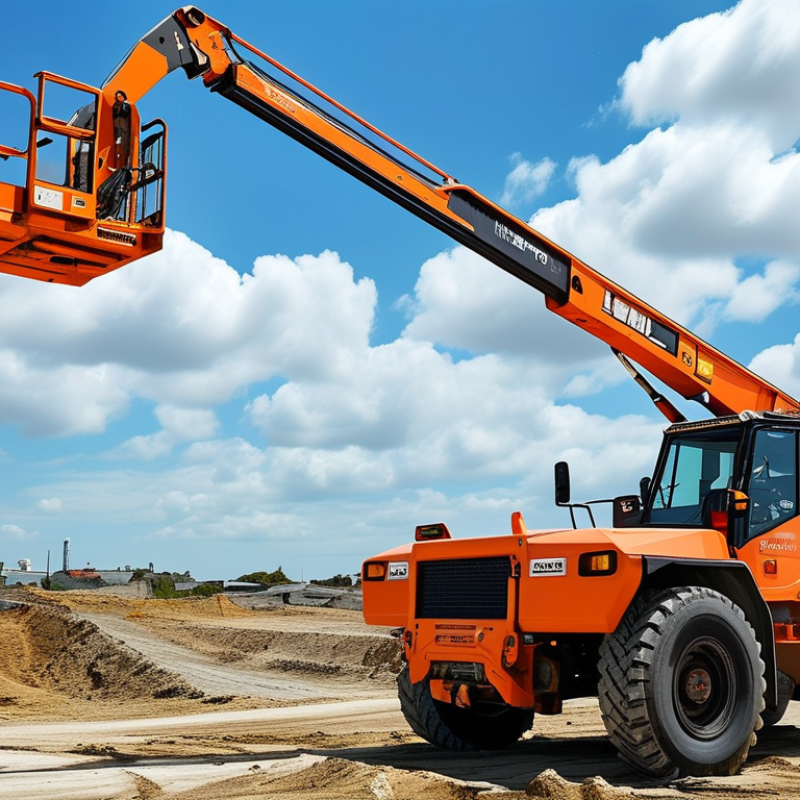
Choosing the right boom lift is crucial for your project. Understanding the different types is essential for effective application. There are two main types: telescopic and articulating boom lifts. Telescopic lifts extend straight up, making them ideal for jobs that require height without obstacles. Articulating lifts offer flexibility with their jointed arms, allowing access to hard-to-reach areas.
Tips: Assess your worksite’s requirements. Consider height, reach, and ground conditions. If you need to navigate around obstacles, an articulating lift might be your best option. For straightforward tasks, a telescopic option provides efficient elevation.
Additionally, your operator’s experience matters. An inexperienced operator may encounter difficulties, even with the right equipment. Training is essential for safety and efficiency. Be sure to have discussions about qualifications before making your rental. Your project’s success depends on both the equipment and the people operating it.
How to Choose the Right Boom Lift Rental for Your Project?
| Boom Lift Type | Max Height | Platform Capacity | Reach | Best Use Case |
|---|---|---|---|---|
| Articulating Boom Lift | 45 ft | 500 lbs | 25 ft | Indoor and outdoor work with obstacles |
| Telescopic Boom Lift | 60 ft | 1000 lbs | 40 ft | Construction sites and tall building maintenance |
| Trailer-Mounted Boom Lift | 30 ft | 400 lbs | 20 ft | Small jobs and residential work |
| Electric Boom Lift | 40 ft | 500 lbs | 22 ft | Indoor work in warehouses or factories |
| Rough Terrain Boom Lift | 55 ft | 800 lbs | 30 ft | Outdoor construction with rough surfaces |
Factors to Consider When Estimating Your Project Requirements
Choosing the right boom lift rental requires careful consideration of your project's unique needs. Factors like height requirements and weight capacity significantly determine your choice. According to recent industry reports, over 80% of lift rental issues stem from miscalculating height needs. Understanding the working height is crucial. For projects exceeding 30 feet, a telescopic boom lift may be necessary.
Weight capacity is another important factor. Most boom lifts carry between 400 to 1,000 pounds. An estimate for the combined weight of personnel and tools is essential. A mismatch can lead to safety hazards or equipment failure. Misjudgment in this area has resulted in accidents, emphasizing the need for careful planning.
Job site conditions play a role as well. Rough terrain may require a rough-terrain boom lift, while indoor projects might call for electric models. Industry data shows that 15% of project delays are due to selecting inappropriate lifts. Proper research can avoid unnecessary setbacks, ensuring both efficiency and safety on the job. Focus on these details to select a lift that meets your requirements effectively.
Evaluating Rental Companies and Their Equipment Options
When evaluating rental companies for boom lifts, start by researching their reputation. Look for reviews from past customers. A trustworthy company will showcase clear customer testimonials. This transparency can indicate reliability. Equipment condition is vital. Inspect the machinery before renting. Look for signs of wear but also ensure regular maintenance records are available.
Consider the variety of boom lifts offered. Different projects require different specifications. Is the lift suitable for your project's height and weight requirements? Ask about safety features too. Some companies may offer equipment that doesn't meet safety standards. This could pose risks to your team.
Don’t hesitate to ask questions. Engaging with company representatives can reveal their expertise and commitment. Pay attention to their responses. Are they knowledgeable? Do they provide clear information? Avoid companies that seem vague or unhelpful. A strong rental partner will understand your needs and provide tailored advice for your project.
Determining Budget and Costs Associated with Boom Lift Rental
When planning a project involving elevated work, understanding the costs associated with boom lift rentals is crucial. The average rental rates for boom lifts range from $200 to $1,000 per day, depending on the model and height capacity. According to industry reports, larger models tend to be more expensive, but they often provide a higher return on investment through increased efficiency.
In addition to daily rental costs, consider transportation and insurance fees. Transporting a boom lift can add $150 to $400 to your budget, depending on distance. Some projects may require insurance, which could be an additional 5-10% of the rental cost. These factors can significantly impact your overall expenses.
Lastly, aim to get quotes from multiple rental companies. This helps in identifying the best price and service options. Remember, the lowest bid isn't always the best. An experienced rental service may charge more but offer additional support and maintenance, reducing the risk of unexpected costs later on. Assessing these details early can lead to better financial decisions for your project’s success.
Budget Breakdown for Boom Lift Rental Costs
Safety Guidelines and Regulations for Using Boom Lifts
Using boom lifts can be a game changer for various projects, but safety is paramount. According to the Occupational Safety and Health Administration (OSHA), falls are one of the leading causes of workplace injuries. When operating a boom lift, it’s critical to adhere to safety guidelines to reduce risks. This includes pre-use inspections of equipment, ensuring that the lift is properly set up before use, and checking for overhead hazards.
Operators should be trained and certified. Inadequate training can lead to misuse and accidents. Industry reports indicate that proper training reduces the likelihood of accidents by up to 29%. It’s not just about knowing how to operate the lift, but understanding the environment and how to react in emergencies. Awareness of job site conditions plays a significant role in maintaining safety.
Tip: Always wear your personal protective equipment (PPE). Hard hats, harnesses, and safety goggles are essential. Stay alert for changing weather conditions that could affect stability. Use the lift’s safety features, like emergency lowering systems. It's crucial to reflect on experiences and continuously learn from any incidents that may occur.
Related Posts
-
Top 10 Benefits of Boom Lift Rental for Your Next Construction Project
-
2026 Best Boom Lift Rental Options for Global Buyers
-
What is a Small Boom Lift Rental and How Can It Benefit You?
-
China Top Articulating Boom Lift Rental Services What You Need to Know?
-
How to Choose the Right Aerial Lift Rental for Your Project?
-
Top 10 Best Boom Lift Rental Options for Your Next Project?
