How to Choose the Right Aerial Lift Rental for Your Project?
In the construction and maintenance industry, choosing the right aerial lift rental is crucial for project success. According to a recent report by the American Rental Association, the rental growth rate for aerial lifts is projected to be over 5% annually. These machines enable workers to safely access high spaces. However, selecting the appropriate lift can be challenging, given the variety of options available.
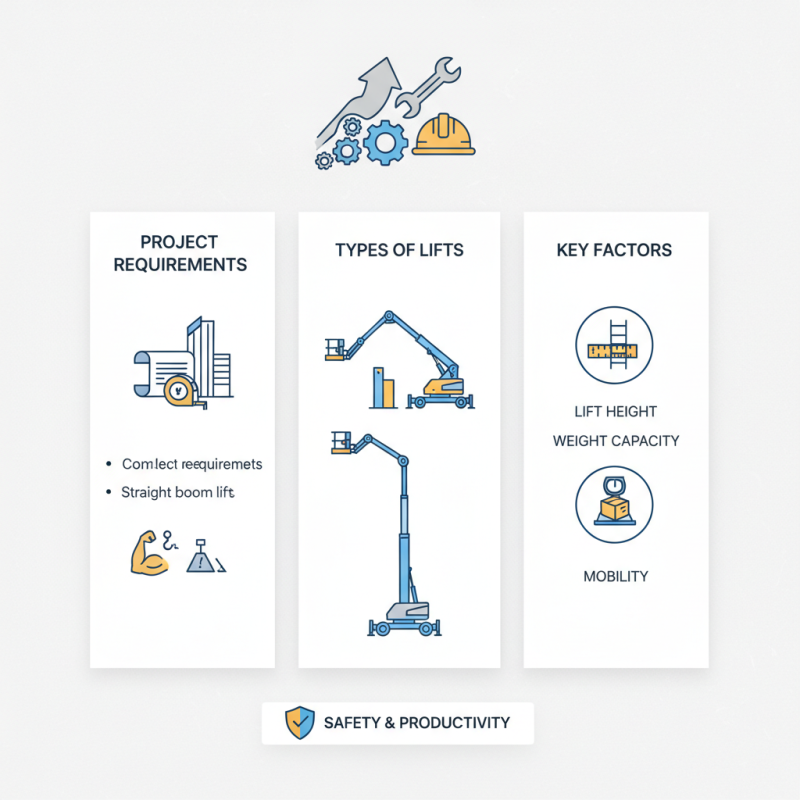
Industry expert Michael Thomson, a leading analyst in aerial equipment, emphasizes, "Choosing the wrong lift can lead to safety risks and project delays." Thus, understanding specific project requirements is essential. Different lifts serve different needs, whether it’s an articulated boom lift or a straight boom lift. Each type has unique benefits and limitations that should be carefully evaluated.
Many companies overlook crucial factors like lift height, weight capacity, and mobility. This oversight can result in costly mistakes. When assessing aerial lift rental options, paying close attention to specifications can save time and resources. The right choice enhances productivity and ensures worker safety on the job site. It’s not just about renting a lift; it’s about making the right rental decision.
Understanding the Different Types of Aerial Lifts Available for Rent
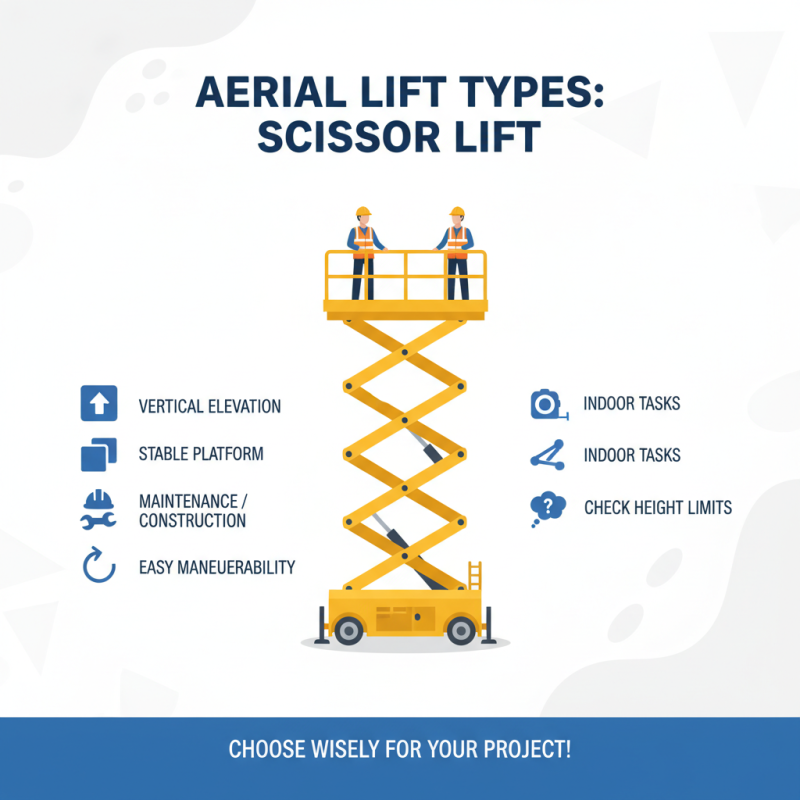
When selecting an aerial lift for your project, understanding the different types is crucial. Scissor lifts are ideal for tasks requiring vertical elevation in tight spaces. They provide a stable platform, offering great reach for indoor tasks like maintenance or construction. The ability to maneuver easily is a significant advantage. However, consider whether the lift can reach the necessary height safely.
Boom lifts, on the other hand, extend horizontally and vertically. They are perfect for outdoor projects where you need to reach high or awkward spots. A telescoping boom offers access to hard-to-reach areas. But these may be harder to operate for beginners. It’s essential to assess the operator's skill level before renting.
Vertical lifts are compact and great for jobs in smaller areas. They are simple to use and often more affordable. Yet, they might lack the height and flexibility other lifts provide. Think about the specifics of your project. What will you need? Each type brings its own set of benefits and challenges to the table, pushing you to reflect on the best choice.
Evaluating Project Requirements: Height, Load Capacity, and Terrain
When choosing an aerial lift rental, project requirements play a crucial role. First, consider the height needed for your project. Many jobsites require lifts that reach above 30 feet, while others might only need 15 feet. Assess the height of your structures. Make sure the lift can reach those spots easily. Underestimating this can lead to costly delays.
Next, think about load capacity. A lift may reach the desired height but cannot carry the necessary weight. Standard lifts support a few hundred pounds, but heavier tools or materials require more robust options. Pushing equipment limits can cause accidents. It's essential to know the combined weight of operators and materials.
Lastly, examine the terrain. Some lifts are better for rough terrain, while others suit flat surfaces. Uneven ground can impact stability and safety. Assessing your job site prevents mishaps and accidents. Take time to evaluate these features. Sometimes, overlooked details lead to major setbacks. Reflection on these aspects can save significant time and resources.
Assessing Rental Companies: Reputation, Service, and Safety Standards
When choosing an aerial lift rental, the company's reputation is crucial. A strong reputation often reflects reliability and professionalism. According to a 2022 industry report, 72% of customers prioritize reputation when selecting a rental company. Check online reviews and testimonials. Look for patterns in feedback. Engaging with previous clients can also provide insights.
Service quality cannot be overlooked. The best companies offer extensive support. This includes training on equipment usage and safety protocols. A survey found that 65% of accidents in aerial lift operations stem from improper training. Thus, a company emphasizing safety training could reduce risk significantly.
Safety standards should never be compromised. Regulatory compliance indicates a company's commitment to safe practices. Companies adhering to industry safety regulations often have lower accident rates. Data from safety audits show that rentals meeting OSHA standards experience 30% fewer incidents. Do not ignore this aspect. Create a checklist for safety features. Ensure they are up-to-date and effective.
Comparing Costs: Rental Rates, Delivery Fees, and Insurance Options
When renting an aerial lift, understanding costs is crucial.
Rental rates can vary significantly based on lift type and duration. Some companies offer
daily,
weekly, or
monthly rates.
It’s essential to calculate how long you need the equipment.
Misjudging time can lead to unnecessary expenses.
Delivery fees are another important factor. They vary by location and the rental company.
Some companies may include delivery in the rental rate.
Others charge based on distance. Be clear about these fees
before you finalize your rental.
Tip: Always ask about insurance options.
Some rentals include basic coverage. However, it might not cover all damages or liability.
Consider whether you need additional insurance for your project. It can save you from
high costs later.
Understanding these costs can help you make informed decisions.
Compare rates and fees from various providers. Make sure to
get written quotes to avoid surprises.
Reflect on your project needs before making a choice.
Tips for Proper Use and Safety Protocols When Operating Aerial Lifts
When operating aerial lifts, safety is paramount. Always perform a thorough inspection before use. Look for maintenance issues, damaged components, or leaks. Operators should be aware of their surroundings. They must ensure that the ground is stable and free of hazards. Proper positioning is crucial for safe operation. The lift should be on a flat surface, away from any obstacles.
Training is essential. Only trained personnel should operate aerial lifts. They must understand the controls and emergency procedures. Communication is critical when working on-site. Use clear signals or radios to ensure everyone is aware of movements. If something feels off, pause and reassess the situation. It’s better to wait than to rush.
Wear appropriate safety gear, including hard hats and harnesses. These items can save lives. Remember, height can be intimidating. Fear can lead to mistakes. Stay focused on the task at hand. If you’re feeling uncertain, discuss your concerns with the team before proceeding. Proper preparation and respect for safety protocols can prevent accidents and ensure a smooth operation.
Types of Aerial Lifts and Their Usage in Projects
Related Posts
-
2025 Top Cherry Picker Rental Services: Elevate Your Project with the Best Equipment
-
2025 Top 5 Aerial Lift Rental Companies You Need to Know
-

2025 Top Bucket Lift Rental Trends Driving Efficiency and Safety in Construction
-
2025 How to Choose the Right Lift Equipment Rental for Your Project
-
Top 10 Benefits of Boom Lift Rental for Your Next Construction Project
-
Discover the Ultimate Guide to Lift Rental: Essential Tips for Your Next Project
