
How to Choose Greener Cleaning Products in 2026?
Packaging deserves a closer audit than a quick “recyclable” label. EPA’s 2022 reference figure was 32.1% for U.S. municipal solid waste recycling and composting. That figure covers the broader waste stream, not every cleaning container. It still shows why disposal assumptions can mislead shoppers.
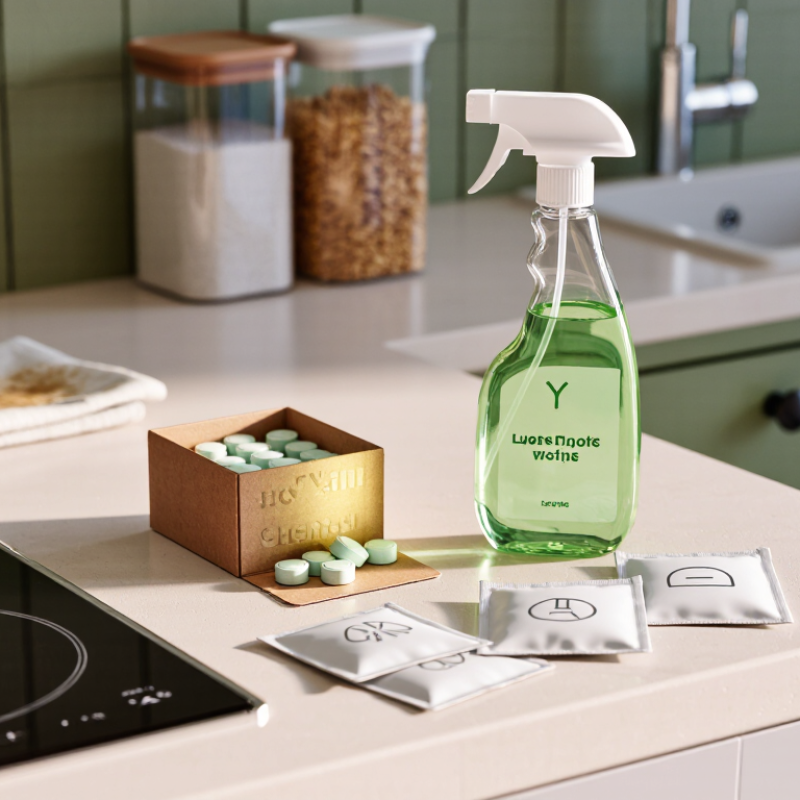
Compare one refill pouch with one rigid bottle over a full year. Count the plastic weight, caps, pumps, labels, and shipping materials.
A concentrated refill may reduce packaging, but a multilayer pouch can be difficult to recycle locally. A durable bottle may look wasteful initially, yet repeated use can change the result.
Check your local recycling guide. Rules vary sharply between communities.
Try weighing discarded packaging for four weeks. Keep the containers beside your kitchen bin. Record what actually enters the recycling stream, not what the package promises. I have found this method surprisingly revealing.
Some “refills” create more film waste than expected. My own comparisons were imperfect because product amounts differed. That weakness matters. Use the same cleaning task, dilution, and number of uses when comparing options.
Look for clear material information and practical reuse instructions.
Avoid buying large quantities before testing storage, leakage, and dispensing. A smaller package that empties completely may create less waste than a damaged bulk container.