
How to Choose a CNC Machining Metal Supplier in 2026?
Verify Prototypes, Production Samples, and Long-Term Supplier Fit
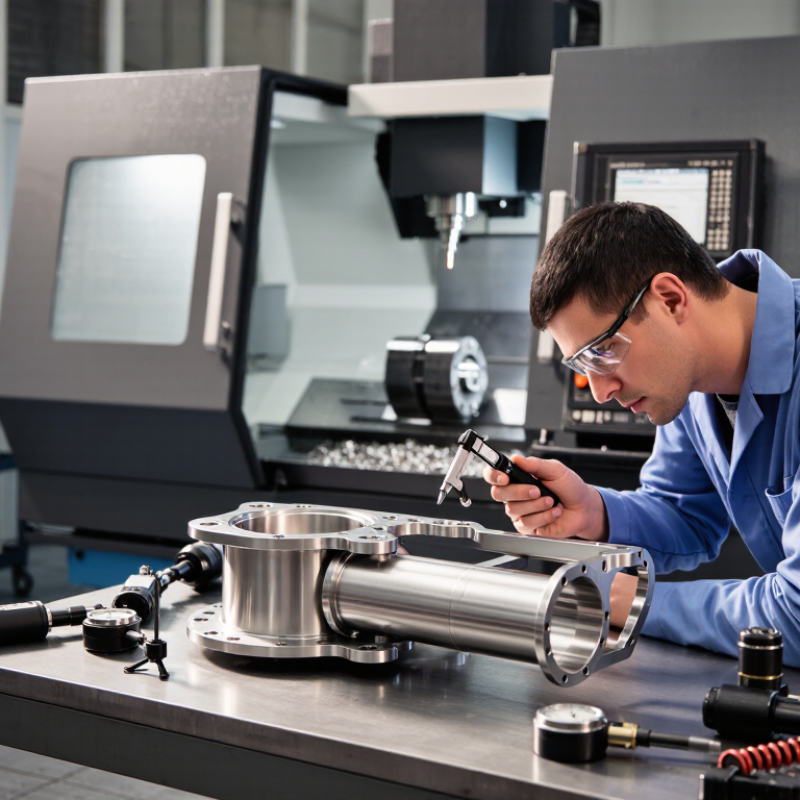
A prototype proves geometry, not supplier reliability. Request the inspection report, material certificate, and revision-controlled drawing. Check critical dimensions with a CMM report, not only a supplier’s verbal assurance. For a 6061 aluminum bracket, inspect hole position, flatness, burrs, and surface finish under consistent lighting. Ask for the actual machining program or process notes when appropriate. A polished sample can still hide unstable fixturing.
Production samples reveal more. Approve parts from the intended machine, tooling, material lot, and finishing route. Compare three to five pieces, then review variation across the batch. The 2023 ISO Survey recorded more than 1.2 million ISO 9001 certificates worldwide, but certification alone does not guarantee capable CNC production. Audit corrective-action records, calibration dates, first-article reports, and traceability practices. Small evidence matters.
Long-term fit requires a practical trial. Measure response times, engineering questions, packaging quality, and delivery accuracy over several orders. Deloitte’s 2024 Smart Manufacturing survey found that 86% of manufacturers expect smart manufacturing to become a major competitiveness factor within five years. Ask whether the supplier can share live production data, not impressive slides. Capacity claims may change during peak demand. I would also test a difficult feature, then review the supplier’s reaction to a failed dimension. That uncomfortable conversation often reveals more than a perfect sample. Supplier selection is not a one-day quote exercise.