skip to Main Content

How to Choose the Best Telehandler Forklift Rental for Your Project Needs

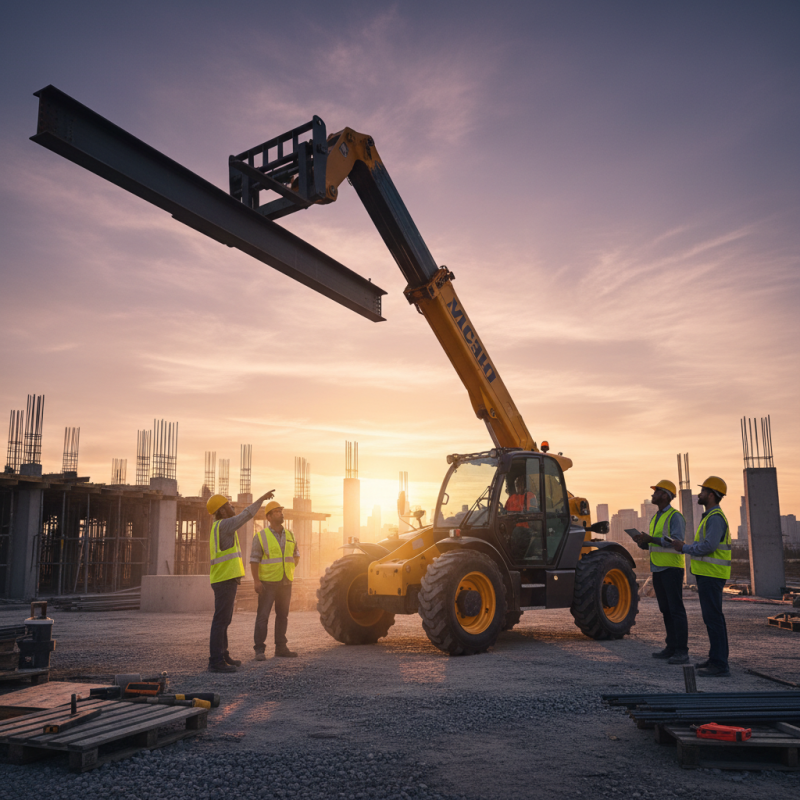
In the construction and materials handling industry, the demand for versatile equipment like telehandler forklifts continues to rise. According to a recent report by the American Rental Association, the telehandler forklift rental market is projected to grow by 5% annually through 2025, reflecting an increasing recognition of the machine's capability to maneuver in tight spaces while lifting heavy loads. For project managers and contractors, selecting the right telehandler forklift rental is vital to ensure operational efficiency and safety on the job site.

Industry expert John Smith, a leading authority in heavy machinery rental, emphasizes the importance of proper selection, stating, "Choosing the right telehandler forklift rental can significantly impact project timelines and costs. It’s essential to match the machine's specifications to the unique demands of your project." This insight highlights the critical role that informed decision-making plays in optimizing equipment usage. With various models and features available, understanding your project needs and evaluating options thoroughly can lead to enhanced productivity and reduced downtime. In an environment where every second counts, making the right choice in telehandler forklift rental is more important than ever.
How to Choose the Best Telehandler Forklift Rental for Your Project Needs

Understanding Telehandlers: Types and Specifications for Rentals

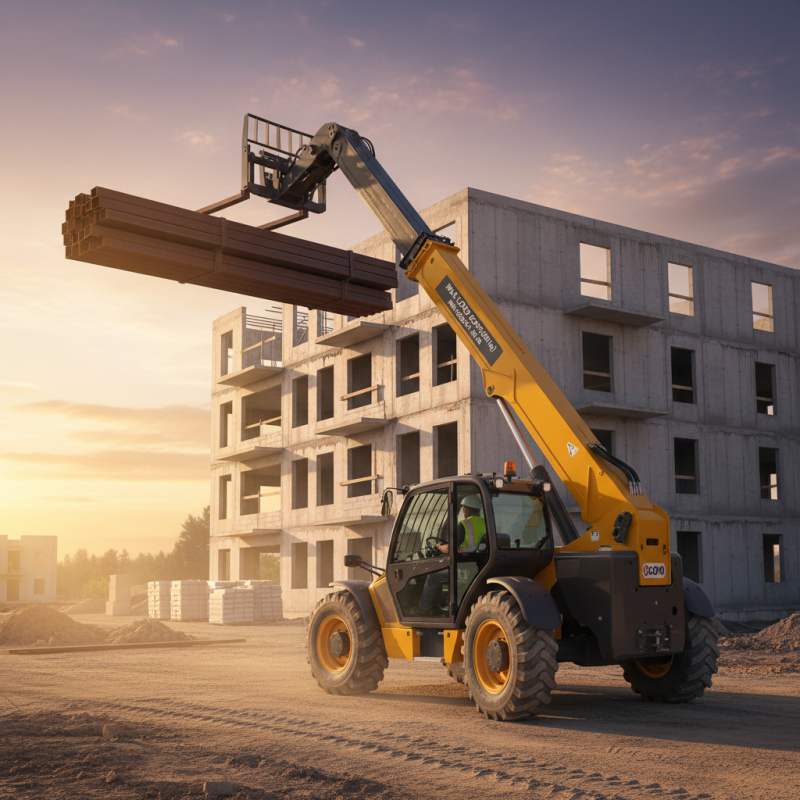
When selecting a telehandler for rental, understanding the various types and specifications available is crucial to meeting your project needs. Telehandlers, or telescopic handlers, come in several categories, each designed for specific tasks. The most common types include compact telehandlers, high-lift telehandlers, and rotating telehandlers. Compact telehandlers are ideal for tight spaces and maneuverability, making them suitable for landscaping and small construction sites. High-lift options are designed for significant height and reach, perfect for projects that require lifting heavy materials to elevated heights. Rotating telehandlers provide 360-degree rotation, offering increased flexibility in loading and unloading, which is beneficial for larger construction areas.

In addition to the types, it's essential to consider the specifications such as lifting capacity, maximum lift height, and reach. Each telehandler comes with a designated load chart that outlines its capabilities. Ensure that you select a model that not only meets the weight requirements of the materials you will be handling but also has the height and reach necessary for your specific tasks. Features such as attachment compatibility, operator visibility, and stability should also be taken into account, as they directly influence efficiency and safety during operation. By assessing these types and specifications, you can effectively choose a telehandler that aligns with your project’s demands.
Telehandler Rental Options by Load Capacity

This bar chart illustrates the number of telehandler rentals across different load capacities. Light duty telehandlers (up to 3,000 lbs) are the most frequently rented, while super heavy duty options (up to 12,000 lbs) see the least action, reflecting the varying needs of different project requirements.

Key Factors to Consider When Selecting a Telehandler Forklift

When selecting a telehandler forklift for your project needs, several key factors should be at the forefront of your decision-making process. Firstly, assessing the lifting capacity is crucial. Telehandlers come in various models with weight capacities ranging from 5,000 to 12,000 pounds, and choosing one that accommodates your specific materials while ensuring safety is paramount. According to a report by the American Rental Association, approximately 30% of rental telehandlers are specifically tailored for heavy-duty construction projects, where robust lifting capabilities are essential.

Another significant aspect to consider is the operating height and reach of the telehandler. Depending on your project's layout, you may require a telehandler with an extended lift height, which can reach up to 55 feet or more. It’s important to evaluate the required reach for stacking materials or accessing elevated work areas. Current market trends indicate that projects that utilize telehandlers with higher reach capacities report a 25% increase in operational efficiency, as these machines can reduce the need for additional equipment like scaffolding or cranes.

Finally, the telehandler's versatility and attachment options should be factored into your choice. Many telehandlers can be outfitted with multiple attachments such as forks, buckets, or even cranes, allowing for a broader range of tasks. The ability to switch attachments quickly not only saves time but can also lead to cost savings; studies reveal that projects using multi-functional telehandlers can decrease overall operational costs by as much as 15%. Therefore, investing time in understanding these key factors will help ensure that you select the best telehandler forklift for your specific project requirements.

How to Choose the Best Telehandler Forklift Rental for Your Project Needs

Factor Description Importance Level (1-5)
Load Capacity The maximum weight the telehandler can lift, crucial for ensuring it meets project requirements. 5
Lift Height The maximum height the telehandler can reach, important for accessing elevated areas. 4
Maneuverability The ease of moving the telehandler in tight spaces or uneven terrain. 4
Fuel Type The type of fuel used (diesel, electric), which can affect cost and usage. 3
Rental Duration Length of time for which the telehandler is needed, influencing rental fees. 3
Operator Training Availability of operator training to ensure safe and effective use of the telehandler. 5
Maintenance Records History of maintenance and repairs to assess reliability and safety. 4
Cost Total rental cost, including hidden fees such as delivery or insurance. 5

Evaluating Load Capacity and Reach for Your Project Requirements

How to Choose the Best Telehandler Forklift Rental for Your Project Needs

When selecting a telehandler forklift rental for your project, evaluating load capacity and reach is essential to ensure that the equipment meets your specific requirements. Load capacity refers to the maximum weight the telehandler can lift, which is crucial for safety and efficiency. If your project involves heavy materials, such as concrete or steel beams, it is vital to choose a telehandler with a load capacity that exceeds the total weight of the items you plan to lift. Overloading the machine can lead to mechanical failure and pose significant hazards on the job site.

In addition to load capacity, the reach of the telehandler plays a critical role in its suitability for your project. Reach is a measurement of how far the forklift can extend its boom to lift loads vertically and horizontally. Understanding the height and distance required for your tasks will help determine the appropriate reach needed. For example, if you are working on a multi-story construction site, you will likely need a telehandler with an extended reach to safely position materials at higher elevations. By carefully considering these factors, you can select the best telehandler rental that aligns with your project’s needs, ultimately contributing to a more successful and safe operation.

Cost Analysis: Rental Rates vs. Long-term Investment in Telehandlers

When considering the rental of a telehandler forklift, cost analysis is a crucial factor that can significantly influence your project's budget. Rental rates might seem appealing due to their lower upfront expense compared to purchasing. Typically, rental costs are determined by factors such as duration, equipment type, and local market conditions. This flexibility allows businesses to allocate funds to other areas of the project while securing the necessary equipment when needed.

However, it's essential to weigh the benefits of long-term investment versus ongoing rental expenses. For projects requiring prolonged use of a telehandler, purchasing may offer more savings over time, eliminating repetitive rental fees. Additionally, ownership allows for greater control over maintenance and usage, which can lead to increased efficiency on job sites. By comprehensively analyzing both rental and purchase options, businesses can better align their financial strategies with project needs, ensuring optimal resource allocation while maximizing productivity.

Safety Standards and Compliance for Telehandler Operations in the Industry

How to Choose the Best Telehandler Forklift Rental for Your Project Needs

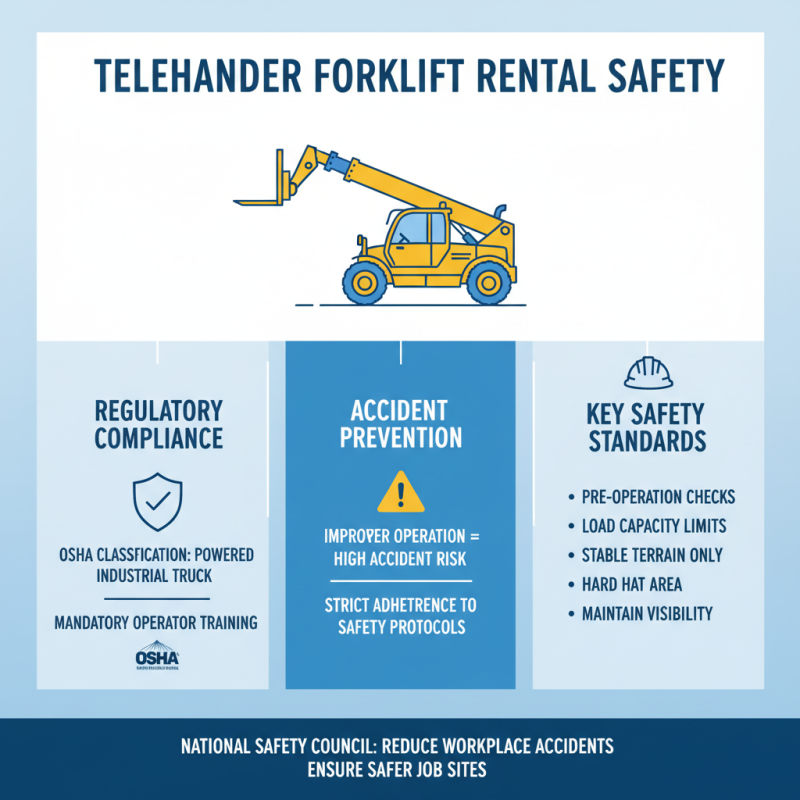
When considering telehandler forklift rentals, safety standards and compliance are paramount in ensuring smooth operations on job sites. According to the Occupational Safety and Health Administration (OSHA), telehandlers fall under the classification of powered industrial trucks, which mandates operators to undergo specific training and adhere to safety protocols. In fact, a report from the National Safety Council indicates that improper operation of such equipment contributes significantly to workplace accidents, underscoring the importance of strict adherence to safety regulations.

Industry guidelines, such as those set by the American National Standards Institute (ANSI), further dictate the operational limits and safety features that telehandlers must possess. For example, telehandlers must meet load capacity requirements, which are integral to preventing tipping and ensuring that loads are handled safely. Data from the Bureau of Labor Statistics show that over 70% of construction-related fatalities involve equipment accidents, thus emphasizing the critical role of compliance with safety standards to mitigate risks.

Additionally, maintenance and regular inspections play a vital role in the safe operation of telehandlers. The Rental Company Association (RCA) recommends that rental firms provide detailed inspection reports to clients, ensuring that all equipment meets compliance requirements before being utilized on site. This practice not only helps in adhering to safety regulations but also maximizes productivity by minimizing equipment-related downtime. By prioritizing safety standards and compliance, businesses can protect their workers and ensure that projects are completed effectively.

Back To Top