
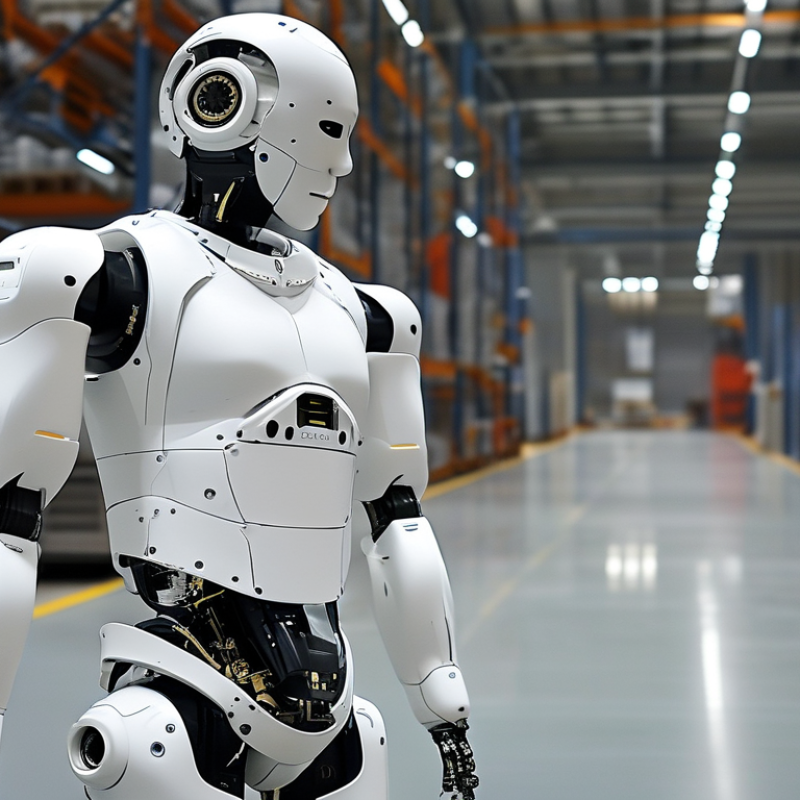
Humanoid robots are machines designed to imitate selected human features, usually with a torso, arms, hands, and two legs. Their value is not appearance alone. It depends on safe movement, useful manipulation, and reliable operation around people. China’s manufacturing ecosystem combines actuator production, electronics, software, and factory automation. This can support flexible development, but quality still differs between suppliers.
The International Federation of Robotics reported nearly 205,000 professional service robots sold in 2023, a 30% annual increase. This wider service-robot market provides useful context.
However, humanoid adoption remains smaller and less predictable. Goldman Sachs Research estimated a potential humanoid robot market of 38 billion dollars by 2035. Forecasts are not guarantees.
Types matter to global buyers. Research platforms support laboratories and algorithm testing. Industrial humanoids target warehouses, inspection, and repetitive handling. Service models focus on reception, education, or public demonstrations. Some designs use wheels instead of legs. That choice can improve stability and reduce energy use.
Buyers should compare payload, reach, walking speed, battery duration, recovery behavior, and hand accuracy. Ask for tested operating hours, not impressive demonstrations. Check emergency stopping, collision detection, software updates, spare-part access, and technician response times. Integration with existing systems is often harder than expected. Standards and certification should match the destination market. Total cost includes training, maintenance, downtime, and data protection. A lower purchase price may become expensive later.