How to Calculate Crane Rental Costs Effectively?
Calculating crane rental costs effectively is crucial for project success. According to industry expert John Smith, “Understanding crane rental cost can save you thousands.” His insights highlight the complexity and variability in pricing.
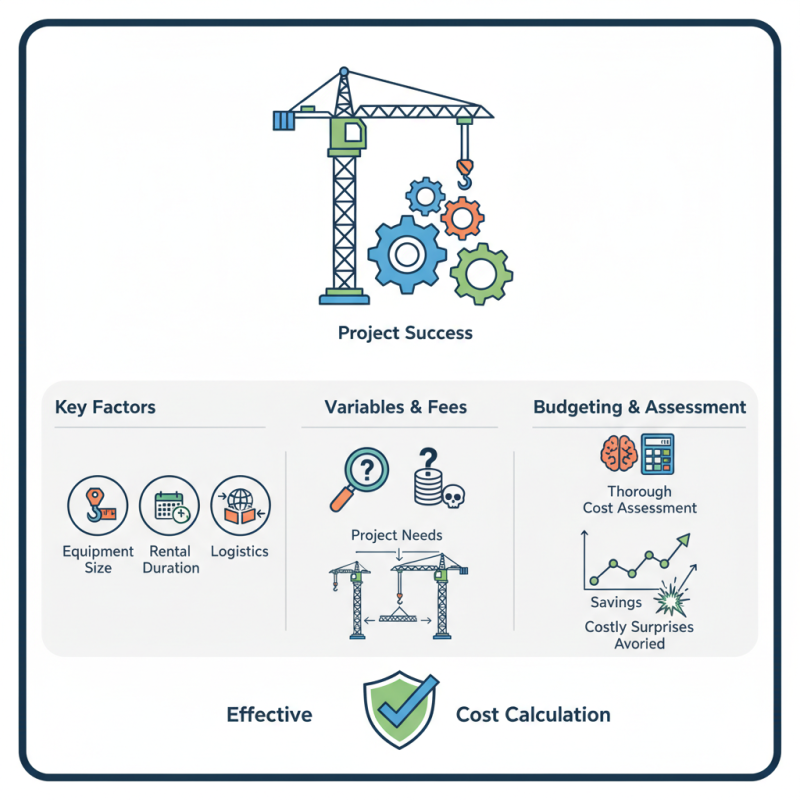
Multiple factors influence crane rental costs. Equipment size, rental duration, and logistics play significant roles. It's essential to account for these variables. Some companies might overlook hidden fees, which can inflate overall expenses.
When budgeting for the rental, consider the project's specific needs. Each project is unique, and one size does not fit all. Too often, businesses underestimate the importance of thorough cost assessment. Taking time to analyze the details can prevent costly surprises down the line.
Factors Influencing Crane Rental Costs
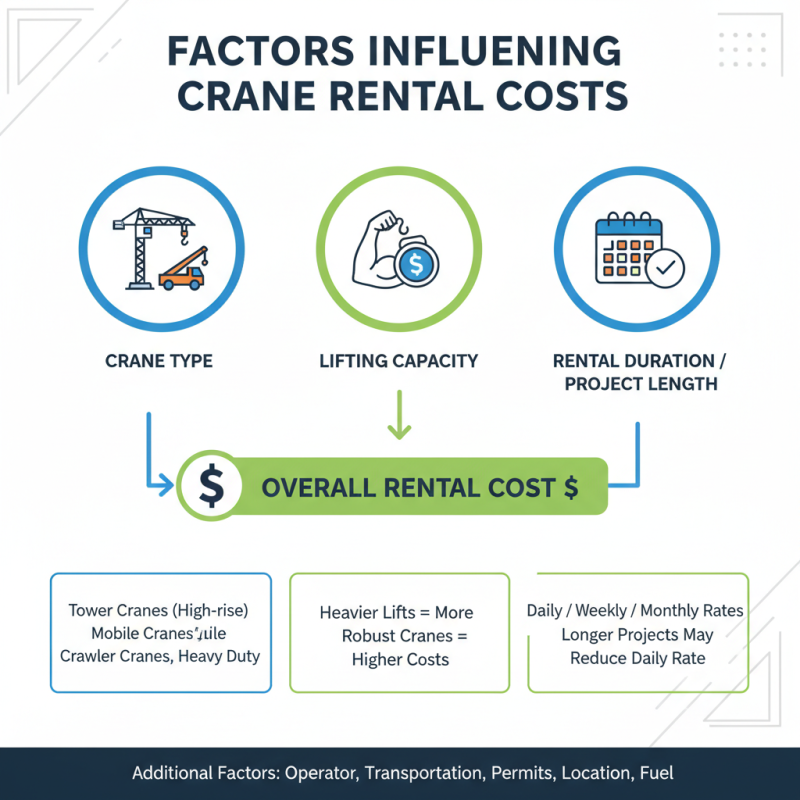
When renting a crane, several factors influence the overall costs. The type of crane required is a primary consideration. Different cranes serve various purposes, from tower cranes for high-rise construction to mobile cranes for versatile projects. Each type comes with its own rental rate. Additionally, the lifting capacity impacts cost; heavier lifts typically require more robust machinery, leading to higher expenses.
Location plays a crucial role in crane rental costs. Urban areas often see increased rates due to higher demand and logistical challenges. On-site conditions can also affect pricing. If the area is congested or requires specialized rigging, rental companies may charge extra. Timeframes are important too; longer rental periods can mean better deals, while last-minute requests often incur higher fees.
Contract terms contribute to the overall cost as well. Hidden charges for transport or insurance can add up. Discrepancies in contracts may lead to confusion. It’s essential to read the terms thoroughly to avoid unexpected expenses. Assessing all these factors ensures a more accurate budget and informed decision-making.
Understanding Different Types of Cranes and Their Costs
When considering crane rental, it's essential to understand the various types of cranes and their associated costs. Different cranes serve unique purposes, and costs can fluctuate based on several factors. For instance, a boom crane is ideal for lifting heavy materials to significant heights, yet the rental price can be high. Conversely, a rough terrain crane is more suitable for off-road applications but might not be as expensive.
Telehandlers offer versatility, combining the features of a forklift and crane, but their rental cost is determined by lifting capacity and reach. Moreover, if your project requires specialized cranes, such as tower cranes, expect to pay additional fees for setup and dismantling. Each crane type plays a pivotal role, but you must carefully evaluate your project's demands to choose appropriately.
It's also crucial to recognize hidden costs in crane rentals. While the base rate may seem reasonable, maintenance, delivery, and insurance add to the overall expenses. Assessing these factors takes time but is necessary to avoid overspending. The rental landscape is complex, and every choice can lead to varying costs. Therefore, approach your crane rental decisions with thoughtfulness and clarity.
Crane Rental Costs by Type
Calculating Additional Expenses Beyond Base Rental Rates
When renting a crane, the base rental rate is just the starting point. Operators often overlook additional expenses that can inflate total costs. These expenses may include transportation fees, setup and dismantling charges, insurance, and fuel. Each of these can significantly affect your overall budget. For instance, delivering a crane across a long distance increases transportation costs. A project manager should factor these in during the planning phase.
Insurance is another crucial consideration. Without proper coverage, you could face unexpected liabilities that damage your finances. Furthermore, operators may require specialized training for safety compliance, adding to labor costs. Make sure to inquire about who will bear these expenses. Always get a detailed breakdown before moving forward.
Many people underestimate the costs associated with extended rentals. If your project faces delays, rental fees can accumulate quickly. It’s also important to consider the wear and tear on machinery. Not all companies account for this in their quotes. By examining all these aspects, you can avoid unpleasant surprises and make a more informed decision regarding crane rentals.
Tips for Comparing Crane Rental Quotes Effectively
When comparing crane rental quotes, focus on a few key areas. Start by gathering multiple quotes from different providers. This will give you a broader view of the market rates. Look for hidden costs in each quote, such as transportation fees or additional operator charges. These can quickly add up.
Consider the equipment's specifications. A low rental price might come with an older crane, which may not meet your project needs. Ask for details on the crane's age and maintenance history. This information can affect both performance and safety.
Check the rental duration terms. Some companies may offer discounts for longer rentals, while others might have stricter penalties for early returns. Clarity on these points can prevent unexpected expenses. Always read the fine print before making a decision. Make sure you understand what's included in the rental agreement. This thorough approach ensures you are comparing apples to apples.
How to Calculate Crane Rental Costs Effectively? - Tips for Comparing Crane Rental Quotes Effectively
| Crane Type | Hourly Rate ($) | Daily Rate ($) | Weekly Rate ($) | Delivery Fee ($) | Insurance Cost ($) |
|---|---|---|---|---|---|
| All Terrain Crane | 150 | 1200 | 6000 | 200 | 100 |
| Rough Terrain Crane | 120 | 950 | 4800 | 180 | 90 |
| Crawler Crane | 200 | 1500 | 7500 | 250 | 120 |
| Truck Mounted Crane | 100 | 800 | 4000 | 150 | 80 |
| Trailer Mounted Crane | 90 | 700 | 3500 | 120 | 70 |
Best Practices for Negotiating Crane Rental Agreements
Negotiating crane rental agreements requires careful preparation and strategic thought. Start by thoroughly researching local rental companies. Understand the types of cranes available and their capabilities. Compare pricing across various providers. This gives you a solid baseline for negotiation. If your project demands specific features, be ready to discuss them. Vendors appreciate informed clients.
Engaging in conversation with the rental company is vital. Be clear about your project timeline and budget constraints. Ask about potential hidden fees, maintenance costs, or delivery charges. Transparency fosters trust. Additionally, don’t hesitate to ask for discounts. Many providers have room for negotiation, especially for long-term rentals.
Be aware that not all deals are straightforward. Some offers might seem appealing but come with strings attached. Carefully read the fine print. Ensure that the contract aligns with your project needs. If necessary, consult an expert who specializes in crane rentals. Their insights could save you time and money. Being meticulous about these details is essential for a successful rental experience.
Related Posts
-
How to Choose the Best Construction Lift Rental Options?
-
Best Mobile Crane Rental Options for Your Construction Needs in 2023
-
China Top Articulating Boom Lift Rental Services What You Need to Know?
-
Essential Tips for Cherry Picker Rental Success?
-
Essential Guide to Choosing the Right Machinery Movers for Your Business Needs
-
How to Determine Crane Rental Cost Effectively?