skip to Main Content

Best Practices for Articulating Lift Rental in Your Construction Projects

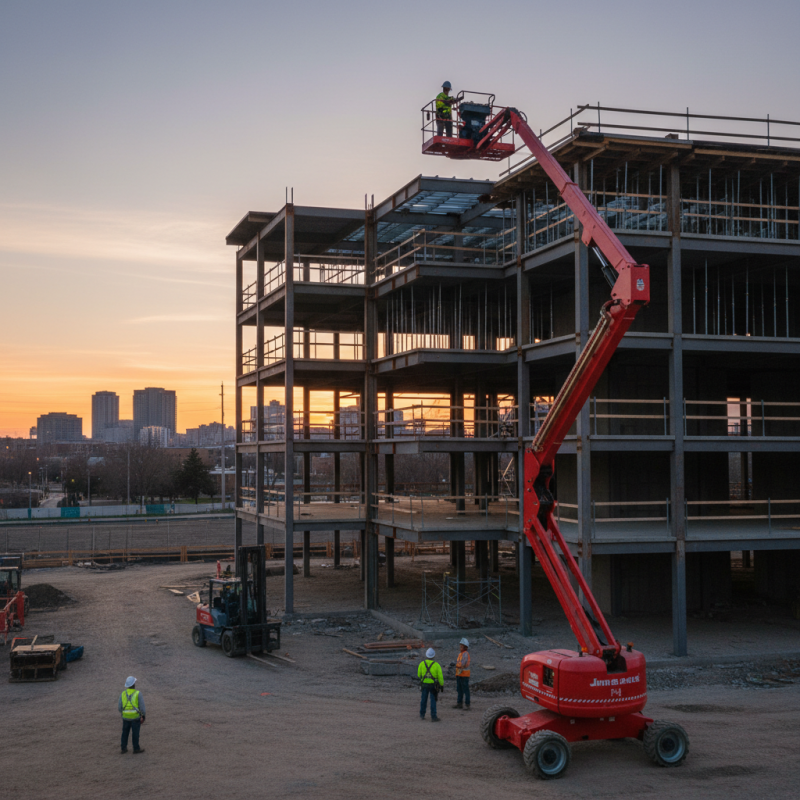
When it comes to construction projects, the efficient use of equipment plays a pivotal role in achieving success. One often-overlooked aspect is the articulating lift rental, which provides versatile access solutions for a variety of tasks at heights. By understanding the best practices for articulating lift rentals, construction managers and contractors can enhance productivity, ensure safety, and optimize project timelines.

Navigating the complexities of selecting the right articulating lift rental requires careful consideration of the specific needs of each project. From understanding load capacities to selecting the appropriate reach and maneuverability, the intricacies of articulating lifts can significantly impact overall project efficiency. Furthermore, keeping safety standards at the forefront is essential; ensuring that the equipment is certified and compliant with industry regulations helps minimize risk and promotes a safer working environment.

In this guide, we will delve into the best practices for utilizing articulating lift rentals effectively within your construction projects. By following these guidelines, you can not only streamline operations but also make informed decisions that lead to successful project outcomes. Embrace the potential of articulating lift rentals, and elevate your construction processes to new heights.
Best Practices for Articulating Lift Rental in Your Construction Projects

Understanding the Importance of Lift Rental in Construction Projects
Best Practices for Articulating Lift Rental in Your Construction Projects

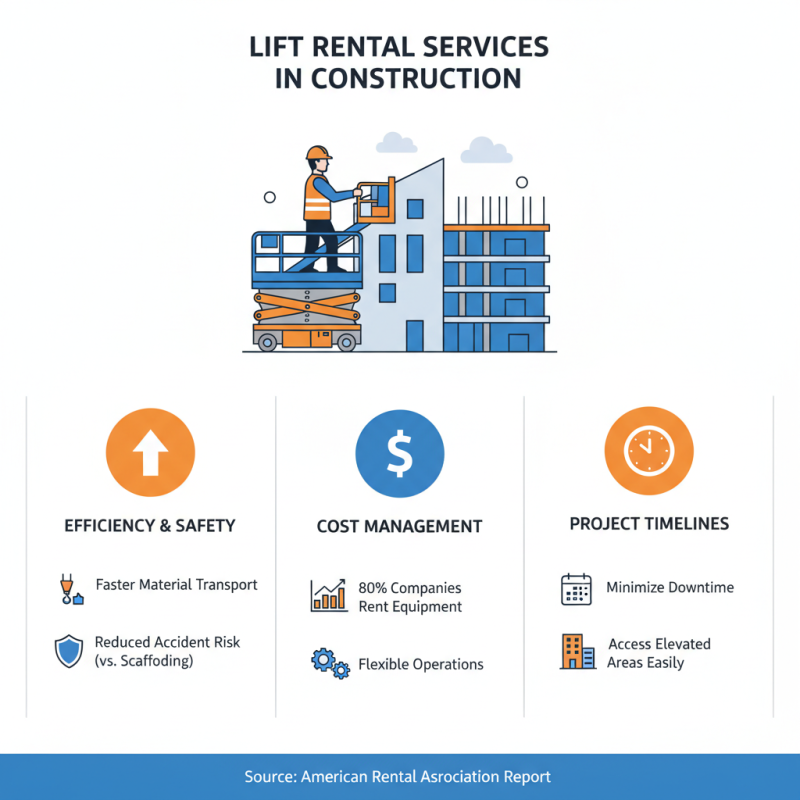
In construction projects, the utilization of lift rental services plays a crucial role in ensuring efficiency, safety, and project timelines. According to a report by the American Rental Association, approximately 80% of construction companies opt for rental equipment to manage costs effectively and remain flexible in their operations. With the rising complexities involved in modern construction, the necessity of lifts for transporting materials and personnel to elevated work areas cannot be overstated. The use of lifts minimizes the risk of accidents associated with scaffolding, making the construction sites safer for workers and reducing downtime due to injuries.

The financial implications of lift rental are also significant. The National Equipment Rental Association noted that rentals can reduce overall project costs by 20-30% compared to purchasing equipment outright. This cost-effectiveness empowers construction firms to allocate resources more efficiently, focusing investment on other critical areas of the project. Furthermore, the trend towards rental equipment continues to grow as companies seek to keep pace with evolving technology and safety standards, ensuring they have access to the latest lifts and machinery without the burden of long-term ownership. Emphasizing the importance of lift rental not only supports operational efficiency but also aligns with sustainability goals, promoting a more responsible use of resources within the construction industry.

Criteria for Selecting the Right Lift for Your Construction Needs

When selecting the right lift for your construction projects, it’s crucial to consider several key criteria that directly influence safety, efficiency, and cost-effectiveness. According to a report by the Occupational Safety and Health Administration (OSHA), improper selection of lifting equipment can lead to a significant increase in workplace accidents, with over 4,500 injuries attributed to lift misuse annually. Thus, understanding the specific requirements of your project is essential for optimal lift performance.

Firstly, assess the lift's load capacity and height requirements relevant to the tasks at hand. Different lifts are engineered for various load capacities, and selecting one that is appropriately rated for your needs can prevent overloading, which is a common cause of equipment failure. Furthermore, a recent study by the American Rental Association highlights that using lifts that meet the specific vertical reach and workspace dimensions required for a project can enhance productivity by up to 25%. Additionally, evaluate the ground conditions and any potential obstacles at the worksite, as these factors can help determine whether a wheeled or tracked lift is more suitable.

In addition to physical specifications, consider operational features such as ease of use, maneuverability, and safety features. A lift equipped with advanced safety mechanisms, like automatic leveling systems and tilt sensors, can significantly reduce the risk of accidents. The National Institute for Occupational Safety and Health (NIOSH) suggests that investments in modern equipment with enhanced safety features can result in a 30% reduction in risk-related incidents over traditional models. By prioritizing these criteria when selecting the right lift, construction professionals can optimize not just their operational effectiveness, but also ensure a safer working environment for all team members.

Best Practices for Articulating Lift Rental in Your Construction Projects

This chart represents the average lift rental utilization across various construction project types. The data illustrates the percentage of lifts rented for different project categories to help choose the right lift based on specific construction needs.

Cost-Effective Strategies for Managing Lift Rentals

When managing lift rentals in construction projects, cost-effectiveness is paramount. According to a recent report by the Associated General Contractors of America, equipment rental can account for up to 15% of total project costs. To optimize these expenses, consider early engagement with rental companies. Establishing a strong relationship can lead to more favorable rates and better service, as suppliers are more likely to offer discounts for repeat business or long-term rentals.

Another effective strategy is to conduct a thorough needs assessment before renting any lift equipment. The National Association of Home Builders indicates that projects can waste as much as 7% of their budget on miscalculated equipment needs. By accurately estimating the lift height and capacity required for the job, project managers can avoid unnecessary rentals. Additionally, utilizing technology such as building information modeling (BIM) can improve overall efficiency, ensuring that the right equipment is available at the right time, thereby reducing rental durations and associated costs.

Safety Protocols and Best Practices for Lift Operation

In the construction industry, the operation of lifts requires strict adherence to safety protocols to minimize accidents and ensure the well-being of all workers on-site. According to the Occupational Safety and Health Administration (OSHA), approximately 26% of all construction-related fatalities involve falls, emphasizing the critical importance of using lifts correctly. Implementing best practices in lift operation not only enhances safety but also boosts productivity.

**Tip:** Regular training sessions for operators are essential. Ensure that all crew members are familiar with the specific lift models being used and the associated safety features. A studies by the American National Standards Institute (ANSI) reveal that properly trained operators can reduce the risk of accidents by as much as 50%.

Before each lift operation, conducting a thorough inspection is vital. This should include checking for mechanical issues, ensuring safety harnesses are used, and verifying that the lift's range of motion is clear of obstacles. A report from the National Institute for Occupational Safety and Health (NIOSH) underscores the significance of pre-operational checks, indicating that these practices can prevent up to 80% of lift-related incidents.

**Tip:** Develop a checklist based on manufacturer guidelines and industry standards to ensure consistent inspections. This proactive approach will facilitate safe working conditions and promote a culture of safety across the construction site.

Maximizing Efficiency with Timely Lift Rental Coordination

Effective lift rental coordination is pivotal in enhancing efficiency within construction projects. According to the American Rental Association, rental equipment can reduce overall project costs by up to 30% when used appropriately. This statistic underscores the importance of timely lift rental planning, which allows for a smoother integration of lifting equipment into the construction timeline. By strategizing lift rental ahead of time, project managers can minimize downtime and maximize productivity on site.

Moreover, a report from the Construction Industry Institute highlights that projects with coordinated lift rental management experience up to a 25% increase in on-time project delivery. Successful coordination includes assessing the specific lifting needs early in the project, ensuring that the right type and quantity of lifts are scheduled. This proactive approach not only mitigates delays but also fosters a safer working environment by reducing the chances of on-site accidents due to equipment shortages or mismanagement. Integrating lift rental into overall project planning can significantly enhance operational efficiency and lead to successful project outcomes.

Best Practices for Articulating Lift Rental in Your Construction Projects - Maximizing Efficiency with Timely Lift Rental Coordination

Lift Type Maximum Height (ft) Load Capacity (lbs) Rental Duration (days) Cost per Day ($) Preparation Time (days)
Articulating Boom Lift 50 500 7 300 2
Telescopic Boom Lift 60 700 10 350 3
Scissor Lift 30 1000 5 200 1
Vertical Mast Lift 20 500 3 150 1
Back To Top