skip to Main Content

How to Choose the Best Mobile Crane Rental for Your Construction Project

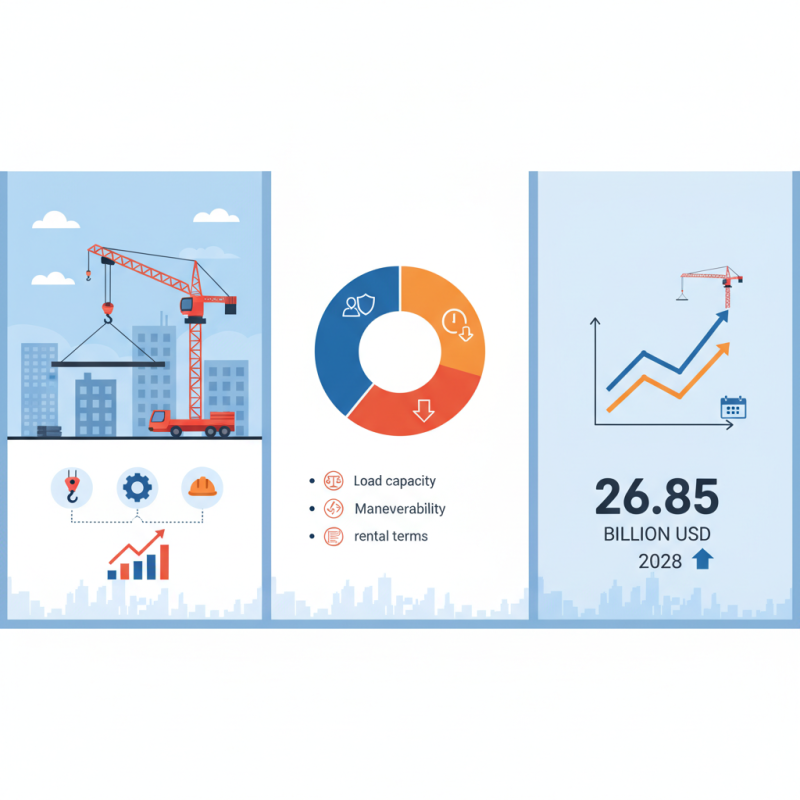
In the ever-evolving landscape of construction, selecting the right equipment is pivotal to project success. With the global mobile crane rental market projected to reach USD 26.85 billion by 2028, growing at a CAGR of 4.5% from 2021 to 2028, the demand for mobile cranes is indicative of their integral role in modern construction operations. These versatile machines efficiently tackle various tasks, from heavy lifting to precise positioning, making them indispensable on job sites.

As construction projects become more complex and safety regulations increasingly stringent, the importance of choosing the appropriate mobile crane rental cannot be overstated. Industry reports indicate that improper crane selection can lead to significant safety hazards, project delays, and budget overruns. Furthermore, a well-matched mobile crane not only enhances productivity but also ensures that operations adhere to best practices in safety and compliance. Therefore, understanding the nuances of mobile crane rental options, including load capacity, maneuverability, and rental terms, is essential for construction managers seeking to optimize their operations and achieve desired outcomes.
How to Choose the Best Mobile Crane Rental for Your Construction Project

Factors to Consider When Choosing a Mobile Crane Rental Company

When selecting a mobile crane rental company for your construction project, several key factors should influence your decision. First and foremost, assess the company's reputation and experience in the industry. A reliable rental service should have a track record of delivering cranes on time and maintaining a fleet that meets safety standards and regulations. Look for customer reviews or testimonials that indicate their reliability and the quality of their equipment, as well as their customer service skills.

Another critical factor is the variety and condition of the cranes they offer. Different projects require different types of cranes, so it's essential to find a rental service that provides a range of options, from small mobile cranes to larger ones capable of lifting heavy loads. Additionally, inquire about the maintenance practices for their equipment. A well-maintained crane reduces the risk of malfunctions on-site, ensuring project timelines are met without costly delays. Lastly, consider rental pricing and terms. Make sure to understand all costs involved, including any additional fees for delivery or equipment operation, to avoid surprises that could impact your budget.
Types of Mobile Cranes and Their Applications in Construction Projects

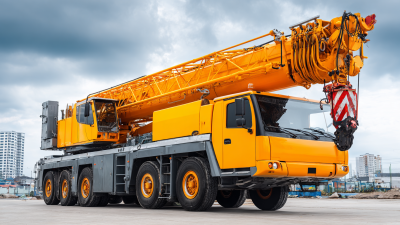
When selecting a mobile crane for construction projects, understanding the various types and their specific applications is vital. Mobile cranes are versatile machines used for lifting, hoisting, and transporting materials on construction sites. The most common types include telescopic cranes, which extend their boom to reach heights, and rough terrain cranes, designed for uneven ground. According to a report by the Global Construction Equipment Market, the demand for mobile cranes is expected to grow at a CAGR of 6.4% from 2021 to 2028, driven by increased construction activities globally.

When choosing a mobile crane, consider the application's weight capacity and height requirements. For instance, crawler cranes offer stability and lifting capability for heavy weights over long distances, making them ideal for large infrastructure projects. In contrast, truck-mounted cranes provide mobility and can quickly be transported between job sites, enhancing efficiency.

Tips: Always match the crane type to the specific needs of your project, such as load weight and site accessibility. Additionally, evaluate the crane operator's experience and the equipment's maintenance history to ensure safety and reliability on-site. It’s also beneficial to review the latest industry reports for insights on trends and projections that could impact your selection.

Evaluating Cost and Budget for Mobile Crane Rental

When evaluating cost and budget for mobile crane rental, it’s essential to begin with a clear understanding of your project's specific needs. Consider factors such as the weight and type of materials you will be lifting, the height required, and the operational complexity of the site. This assessment will help in choosing a crane that not only fits the physical demands of the project but also aligns with your budgetary constraints.

Next, gather quotes from multiple rental companies to compare prices. Pay attention to what each quote includes—such as delivery, setup, and operator costs, as these can vary significantly. It’s also wise to inquire about additional fees that may arise during the rental period, such as overtime charges or penalties for damages. By thoroughly reviewing all potential expenses, you can make a more informed decision that ensures you stay within budget while meeting the requirements of your construction project.

Assessing Safety Standards and Compliance for Crane Rentals

How to Choose the Best Mobile Crane Rental for Your Construction Project

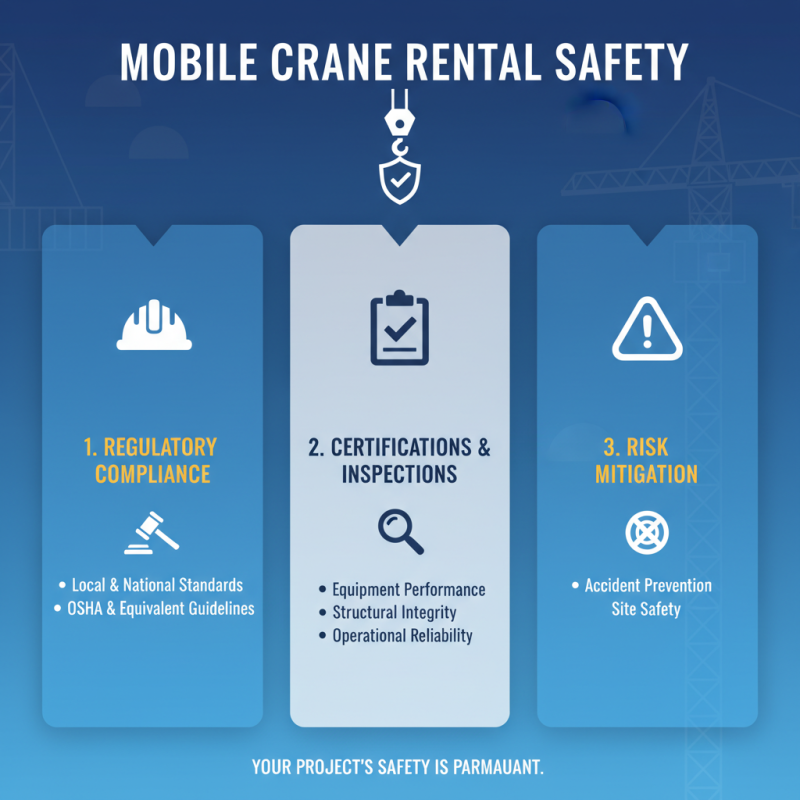
When selecting a mobile crane rental for your construction project, one of the most critical factors to consider is the safety standards and compliance of the equipment. Ensuring that the crane meets local and national safety regulations is paramount. This means verifying that the rental company adheres to the guidelines set forth by occupational safety organizations, which determine the structural integrity and operational safety of cranes. Checking for certifications and inspection reports can provide crucial insights into the crane’s performance and reliability, thereby minimizing the risk of accidents on site.

Additionally, it is essential to evaluate the rental company’s safety history and training protocols for operators. A reputable crane rental service should provide comprehensive training for their operators, ensuring they are well-versed in safe operating procedures and emergency protocols. Furthermore, inquiring about the company’s maintenance practices can reveal whether the cranes are regularly serviced and inspected for potential hazards. By carefully assessing these safety compliance measures, you can make an informed decision that not only prioritizes efficiency but also safeguards the well-being of your workforce and the integrity of your project.

Understanding Rental Terms and Conditions for Mobile Cranes

When selecting a mobile crane rental for your construction project, it’s crucial to thoroughly understand the rental terms and conditions associated with the equipment. Familiarize yourself with the duration of the rental agreement, as this can significantly impact your project's budget and timeline. Some companies may offer flexible rental periods, while others may impose strict minimum terms. Be sure to clarify any penalties for late returns, as well as the procedures for extending the rental if your project takes longer than anticipated.

Additionally, pay close attention to the responsibilities outlined in the rental contract. Operators may be required to understand safety protocols and maintenance responsibilities during the rental period. Ensure that insurance coverage details are clearly stated, as this can protect you from liability related to accidents or damage. Understanding the terms related to delivery, setup, and any additional fees, such as mileage or fuel costs, will help you avoid unexpected expenses and ensure a smooth operation throughout your project. By navigating these rental terms carefully, you can make a well-informed decision that aligns with your construction needs.

Back To Top