Best Construction Lift Rental Options for Your Project?
The construction industry is evolving, and so are the options for construction lift rentals. As projects become more ambitious, effective lifting solutions are crucial. According to a report from IBISWorld, the construction lift rental market has grown by over 5% annually, demonstrating its importance in facilitating complex construction tasks.
Experts like John Roberts, a well-regarded industry analyst, emphasize, “Choosing the right construction lift rental can make or break a project.” This highlights the necessity for informed decisions in equipment selection. Proper planning and equipment understanding can optimize efficiency and safety on the job site.
However, navigating the myriad of options can be challenging. Contractors often overlook critical factors like weight capacity, height requirements, and rental terms. These oversights can lead to project delays and increased costs. As the construction landscape continues to shift, adapting rental strategies to specific project needs is essential for success.

Types of Construction Lifts Available for Rent
When tackling a construction project, finding the right lift can greatly enhance efficiency. There are several types of construction lifts available for rent, each serving a unique purpose. Scissor lifts are popular for elevating workers and equipment vertically. They are perfect for indoor tasks, where space is limited. These lifts allow for a stable platform, ideal for painting or maintenance work.
Boom lifts provide extra reach and flexibility. They can extend over obstacles and adjust their height. This makes them suitable for outdoor projects, such as tree trimming or facade installations. However, renting a boom lift requires careful site assessment. Poor ground conditions can lead to unsafe operations.
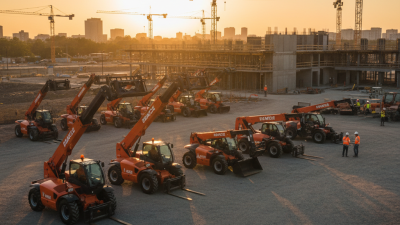
Forklifts are also available and serve a different role. They help transport materials around the site. While they're essential, they can be challenging to operate safely if the operator is inexperienced. Finding a reliable rental service ensures that you receive equipment in good working order. Be cautious and check the equipment before use. Each type of lift has its strengths, but they also come with limitations. Proper training and preparation are crucial for safety.
Factors to Consider When Choosing a Construction Lift
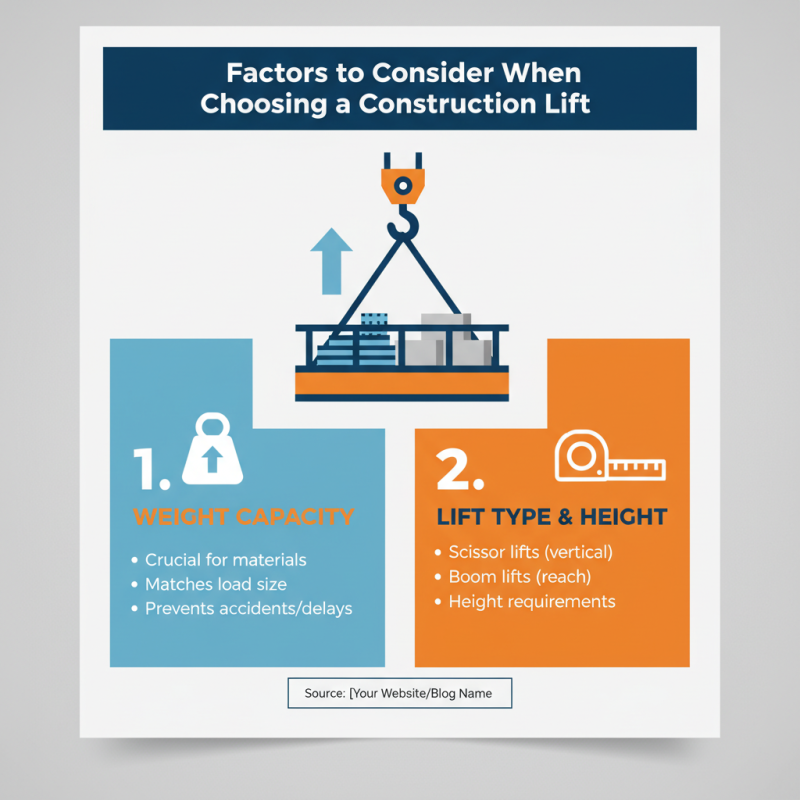
When selecting a construction lift for your project, several key factors demand attention. Weight capacity is crucial. Ensure the lift can handle the materials needed on-site. If you're transporting heavy loads, a lift with a higher weight limit is a must. This prevents accidents and delays.
Height capability matters too. Determine the maximum height your project requires. Some lifts are better suited for tall buildings, while others are ideal for lower applications. Elevation control features can enhance safety and efficiency. Check if the controls are intuitive and user-friendly.
Also, consider the environment where the lift will operate. Indoor and outdoor lifts can differ significantly. Whether it’s a job site with uneven terrain or a compact indoor space affects your choice. Reflect on the lift's stability and maneuverability. Each project’s unique needs dictate the best options, and recognizing this can lead to a more efficient workflow.
Top Construction Lift Rental Companies in the Market
When selecting a construction lift rental company, consider expertise and reputation. Look for providers that have been in the industry for years. Their experience often ensures quality equipment and service. Companies with strong client testimonials will give you confidence. It’s essential to verify their safety records; safer operations reduce potential risks on site.
Tips: Always check the maintenance history of the lifts. Well-maintained equipment performs better and reduces downtime. Don’t hesitate to ask for certifications. Reliable companies should willingly provide you with safety compliance documentation. You want peace of mind during your project.
Remember to assess customer support. Companies offering 24/7 assistance can be invaluable in emergencies. Communication is key during your rental period. Prefer clarity in rental agreements. Hidden fees can lead to frustrations later. Engaging with reputable companies ensures a smoother process.
Cost Comparison of Construction Lift Rentals
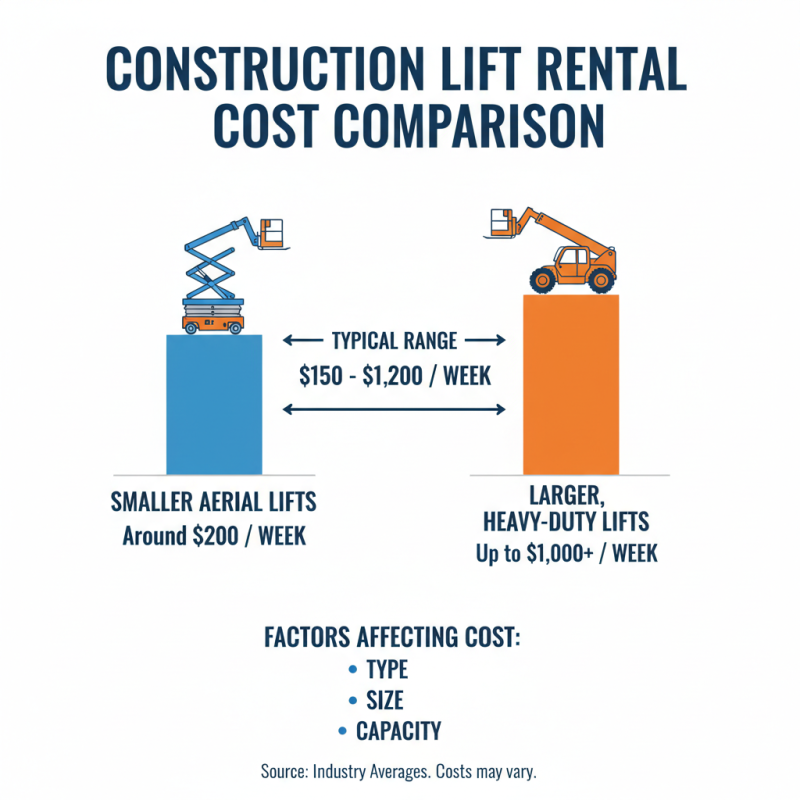
When considering construction lift rentals, understanding costs is essential. The average rental rates for construction lifts typically range from $150 to $1,200 per week. This wide range depends on the type, size, and capacity of the lift. For example, smaller aerial lifts can cost around $200 weekly, while larger, heavy-duty options may reach up to $1,000 or more.
Industry reports suggest that construction lift expenses can contribute to as much as 20% of a project's overall equipment costs. It's crucial to analyze these costs carefully before making a decision. Additionally, transportation fees and any required insurance can further increase your budget. Construction projects working within tight timelines may face additional charges for expedited delivery or extra rental days. Contractors often find these added fees surprising, underscoring the need for comprehensive planning.
Selecting the right lift not only affects the budget but also the project timeline. Misestimating rental durations can lead to unnecessary expenditures. Moreover, it's essential to consider the availability of the required lifts in your area. Some regions may have limited options, impacting both cost and accessibility. Balancing rental cost and project needs is a delicate task that can significantly influence overall project success.
Safety Regulations and Guidelines for Using Construction Lifts
Using construction lifts safely is critical. Follow all safety regulations. Lifts can present risks if not used properly. Operators must be trained and certified. This ensures they understand the equipment and its limitations.
Regular inspections are vital for safety. Check for any mechanical issues before use. Look for worn cables or malfunctioning controls. Always ensure the lift is on stable ground. Wind can affect stability at height, so monitor weather conditions.
Use personal protective equipment (PPE) like hard hats and harnesses. Supervisors should conduct safety briefings. Highlight emergency procedures and equipment. Reflect on accidents or near-misses. An uncompromising approach to safety can save lives and reduce injuries.
Best Construction Lift Rental Options for Your Project
| Lift Type | Max Height (ft) | Max Weight Capacity (lbs) | Rental Cost per Day ($) | Safety Regulations |
|---|---|---|---|---|
| Scissor Lift | 32 | 800 | 150 | Wear harness, guard rails in use. |
| Boom Lift | 45 | 500 | 200 | Check terrain stability, use safety harness. |
| Forklift | 20 | 3000 | 250 | Operators must be certified, load limits must be observed. |
| Telehandler | 54 | 5000 | 275 | Follow operational guidelines, use safety equipment. |
Related Posts
-
2025 Top 5 Telehandler Forklift Rental Services You Can Trust
-
2025 How to Choose the Right Lift Equipment Rental for Your Project
-
Essential Tips for Renting Towable Boom Lifts for Your Next Project
-
Crane Truck Rental Guide How to Choose the Right Service for Your Needs
-
How to Choose the Right Construction Lift Rental for Your Project Needs
-
What is Crane Truck Rental and How Does It Work?