skip to Main Content

Top Benefits of Using a Telescopic Forklift for Your Business Operations?

In today’s competitive market, businesses seek efficient equipment to streamline operations. The telescopic forklift stands out as a versatile and powerful solution. According to a recent report by the Material Handling Industry of America, the global demand for forklifts is expected to reach $60 billion by 2027. This growth signals a rising need for specialized equipment that enhances productivity on job sites.

Telescopic forklifts offer unique benefits. They provide greater lifting capability, reaching heights over 50 feet compared to standard forklifts. Their extendable arms allow operators to fork loads at various distances. This flexibility is crucial in construction and agriculture, where terrain varies significantly. However, not all businesses utilize these machines effectively. Training is essential, yet some teams overlook it, risking safety.

Choosing the right equipment is key to operational success. Telescopic forklifts can increase efficiency but require proper handling. When misused, they may lead to accidents, highlighting the need for continuous education. Businesses must weigh these benefits against potential drawbacks. Investing in a telescopic forklift can be transformative, but it necessitates a commitment to skilled operation.
Top Benefits of Using a Telescopic Forklift for Your Business Operations?

Advantages of Enhanced Reach and Versatility in Telescopic Forklifts
Top Benefits of Using a Telescopic Forklift for Your Business Operations?

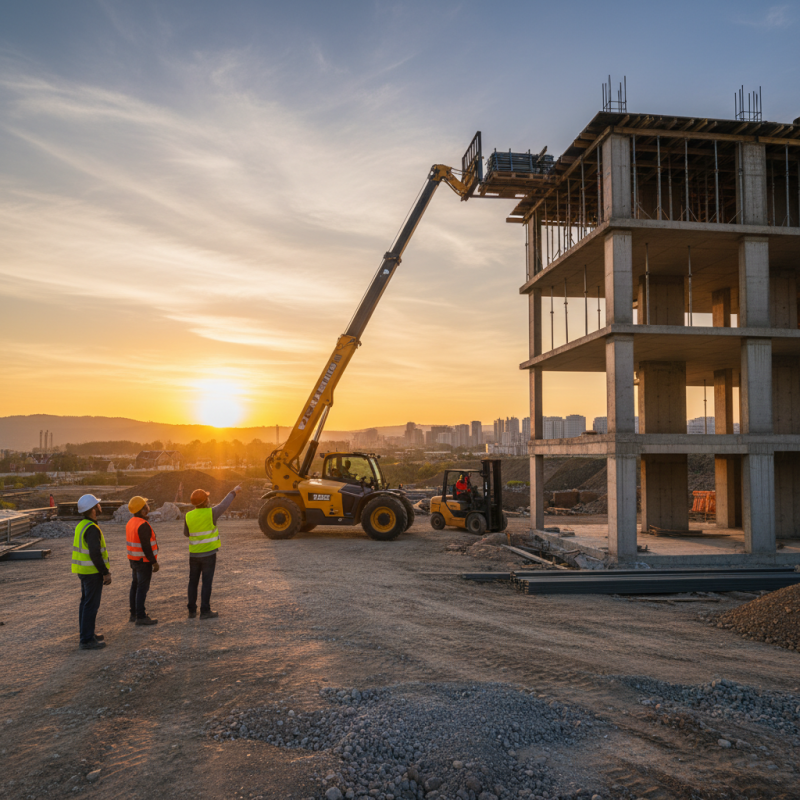
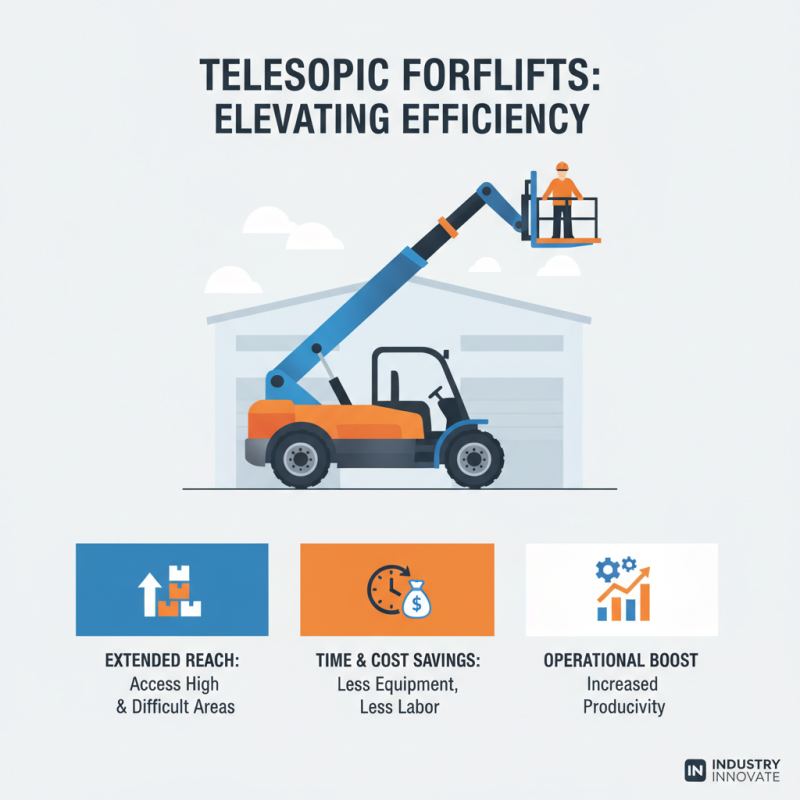
Telescopic forklifts are a game changer for many industries. Their ability to extend and retract arms allows for reaching high and difficult areas. This feature significantly enhances a business's operational efficiency. Workers can transport materials to elevated locations without needing extra equipment. This can save time and labor costs.

Versatility is another key advantage. These forklifts can handle various load types and sizes. They can maneuver in tight spaces where traditional forklifts might struggle. For example, a telescopic forklift can lift pallets over obstacles with ease. This adaptability can lead to creative solutions in challenging environments.

However, there are considerations when using them. Operators need proper training to ensure safety. Misjudging weight limits could lead to accidents. Maintenance is necessary to keep machinery in top condition. Occasionally, workers may feel overwhelmed by the machine's complexity. Finding the right balance between efficiency and safety is crucial. Overall, these machines provide remarkable advantages, but attention to detail is essential.

Improved Efficiency in Handling Heavy Loads and Materials

Telescopic forklifts have become crucial in various industries. They significantly improve efficiency in handling heavy loads and materials. According to a report by the Material Handling Industry of America, businesses can increase productivity by approximately 25% when using these specialized machines.

These forklifts are versatile. They can lift loads to heights that standard forklifts cannot reach. This capability reduces the need for multiple pieces of equipment. However, one must consider the learning curve for operators. Training is essential to maximize the benefits. The Occupational Safety and Health Administration emphasizes that proper training can reduce accidents and increase operational efficiency.

When handling heavy loads, time is money. A study from the Construction Industry Institute found that delays caused by inefficient material handling can cost projects over 10% of their budget. Telescopic forklifts can mitigate this by moving loads faster and more securely. Yet, if not maintained properly, these machines can also become a hindrance. Regular maintenance and inspections are critical to avoid downtime and ensure safety. Investing in a versatile machine requires commitment, but the potential benefits are substantial.

Increased Safety Features and Stability During Operations

Telescopic forklifts are crucial for enhancing safety in various operations. Their design allows for increased stability, especially on uneven terrain. According to a report by the Occupational Safety and Health Administration (OSHA), about 70% of all forklift accidents occur due to instability. By utilizing telescopic forklifts, businesses can significantly mitigate these risks through improved load management.

The ability to lift and extend loads while maintaining balance is a game changer. Operators can position loads precisely, reducing the chance of tipping. Data from the National Safety Council shows that better visibility can decrease accidents by 60%. Telescopic forklifts offer operators a clearer view of their surroundings, ultimately enhancing operational safety. However, even with advanced safety features, proper training and awareness remain critical. Many operators still report a lack of adequate training, which can lead to mistakes, even with safer equipment.

Moreover, while these forklifts offer better ergonomics and lower injury rates, they require regular maintenance, which some businesses overlook. Neglecting routine checks can lead to failures that compromise safety. Regardless of the equipment’s capabilities, continuous improvement in safety practices should always be a priority in any operation. Balancing the advantages of technology with employee training is vital for achieving optimal safety.

Top Benefits of Using a Telescopic Forklift for Your Business Operations

This chart illustrates the top benefits of using a telescopic forklift for business operations, emphasizing features like safety, stability, versatility, efficiency, and cost-effectiveness.

Cost-Effectiveness and Long-Term Savings for Businesses

Using a telescopic forklift can lead to significant cost-effectiveness for businesses. These versatile machines reduce labor costs and increase efficiency. For example, a study by the Material Handling Industry found that businesses can save up to 20% on operational costs with the right equipment. Telescopic forklifts can handle various loads, which minimizes the need for multiple machines. This versatility saves money and space in warehouses and job sites.

Tips: Regular maintenance can prevent costly repairs. Implement a routine check-up plan to ensure longevity and efficiency. Additonally, investing in operator training can enhance safety and efficiency, further reducing costs associated with accidents and damage.

Telehandlers also extend beyond basic lifting tasks. They can assist in complex operations, streamlining processes. This adaptability can lead to lower overall project costs. However, businesses must consider the initial investment. These forklifts come with higher upfront costs compared to standard options. Careful budgeting is necessary to maximize long-term savings. Re-evaluate equipment needs regularly to avoid costly mistakes. Making informed decisions is crucial for sustainable operations and financial health.

Applications and Industries Benefiting from Telescopic Forklifts

Telescopic forklifts are increasingly popular across various industries. Construction sites often use them for lifting materials to high places. They handle heavy loads well. Warehouses benefit by moving items quickly and efficiently. The versatility of these machines makes them ideal in tight spaces.

Agriculture also relies on telescopic forklifts. Farmers use them for loading and unloading goods. They easily maneuver through fields and barns. It's crucial for boosting productivity during harvest seasons. However, not every site can accommodate these machines; planning is essential.

Tip: Always assess your workspace before using a telescopic forklift. Consider height limitations and load capacities. Training operators is vital for safety. An untrained operator can lead to accidents. Ensuring everyone knows the protocols leads to smoother operations.

Back To Top