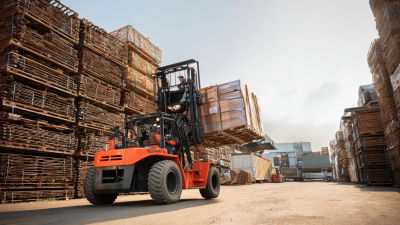
Top 10 Benefits of Using Telehandler Forklifts for Your Construction Projects
In recent years, the construction industry has witnessed a significant shift towards the adoption of advanced machinery to enhance efficiency and productivity on job sites. One such indispensable tool is the telehandler forklift, a versatile piece of equipment that offers a multitude of benefits for various construction projects. Designed to maneuver through tight spaces and handle heavy loads with ease, telehandler forklifts have become a preferred choice for construction professionals seeking to streamline their operations.
Telehandler forklifts stand out not only for their lifting capabilities but also for their adaptability in different work environments. With the ability to rotate their booms and extend their reach, these machines can lift materials to heights and distances that traditional forklifts cannot manage. This unique functionality allows for greater flexibility when positioning supplies, improving workflow and reducing the time spent on manual labor. As construction projects become increasingly complex, the incorporation of telehandler forklifts can lead to enhanced safety, cost savings, and overall project success, making them an essential asset for any construction team.
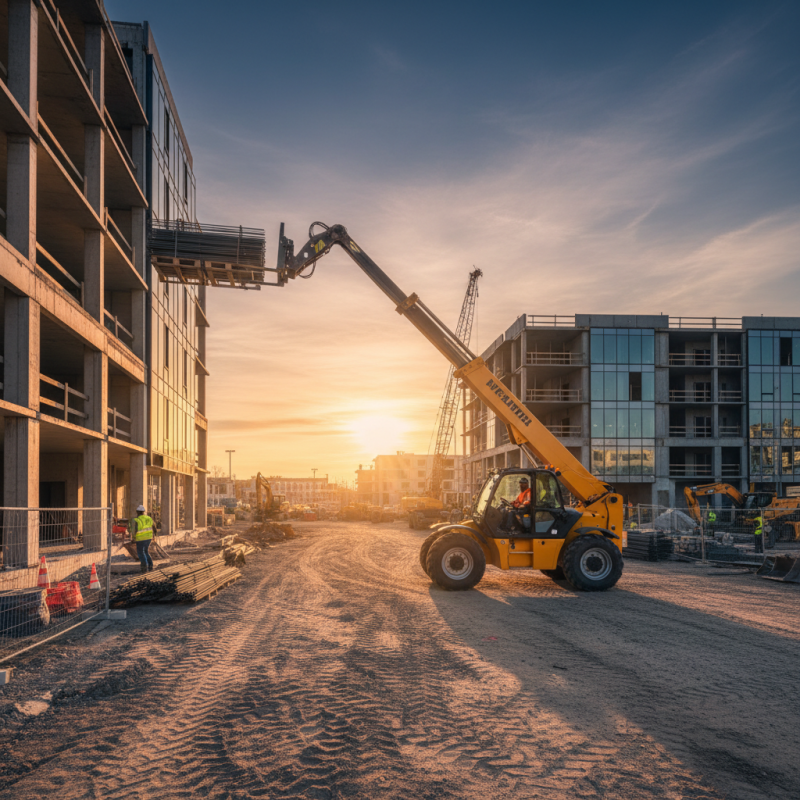
Advantages of Telehandler Forklifts in Construction Efficiency
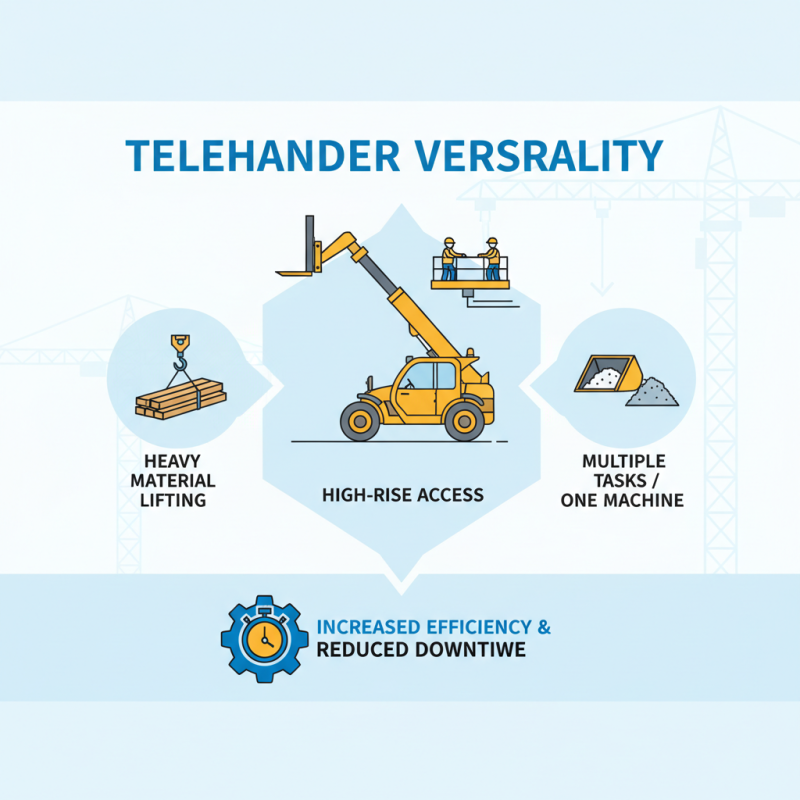
Telehandler forklifts have become indispensable tools in construction projects, primarily due to their unique capabilities that significantly enhance efficiency. One of the primary advantages is their versatility. Equipped with interchangeable attachments, telehandlers can perform a wide range of tasks, from lifting heavy materials to providing access to higher elevations. This adaptability allows construction teams to complete multiple tasks without the need to switch between different machines, ultimately saving time and reducing overall project downtime.
Another key benefit is their ability to navigate challenging job site conditions. Telehandlers are designed to operate on uneven terrains and in tight spaces, making them ideal for construction sites that are often cluttered or have varying ground levels. This mobility enables operators to position the equipment precisely where it is needed, minimizing the distance materials need to be transported manually. Additionally, the height and reach capabilities of telehandlers allow for efficient loading and unloading, which can expedite processes like framing and roofing, leading to faster project completion times.
Versatility of Telehandlers for Various Construction Tasks
Telehandler forklifts are renowned for their exceptional versatility, making them an indispensable asset on construction sites. Unlike traditional forklifts, telehandlers can extend their lifting capabilities with a telescoping boom, allowing operators to reach heights and distances that standard equipment cannot. This unique feature enables telehandlers to perform a variety of tasks, such as lifting materials to elevated areas, moving heavy objects across uneven terrain, and accessing tight spaces where other machines might struggle.
Moreover, the adaptability of telehandlers means they can be equipped with various attachments to suit specific job requirements. From pallet forks to buckets and even specialized tools, these machines can easily switch functions to handle different materials and tasks efficiently. This flexibility not only enhances productivity but also reduces the need for multiple pieces of machinery, ultimately streamlining operations and lowering costs on construction projects. With their multifunctional capabilities, telehandlers stand out as a vital tool for completing diverse tasks safely and effectively in the ever-evolving landscape of construction work.
Enhanced Safety Features of Telehandler Forklifts on Job Sites
Telehandler forklifts have emerged as essential equipment on construction sites, largely due to their advanced safety features that significantly enhance the working environment. One standout safety attribute is their stability, which is enhanced by the design that allows for a lower center of gravity. This stability reduces the risk of tip-overs, a common hazard in construction operations involving heavy loads. Additionally, telehandlers come equipped with outriggers that can be deployed to further stabilize the machine, making them ideal for uneven terrain.
Another notable safety feature is the cab design, which offers operators improved visibility. With a higher vantage point, operators can better see their surroundings, thereby minimizing blind spots that can lead to accidents. Many telehandler models include safety harnesses and ergonomically designed controls that reduce operator fatigue, allowing for more focused and safe handling of materials. Furthermore, many units are outfitted with advanced sensing technologies that alert operators to potential hazards, further enhancing job site safety. These features collectively make telehandler forklifts an invaluable asset for construction projects, ensuring not only efficiency but also a commitment to safe working practices.
Top 10 Benefits of Using Telehandler Forklifts for Construction Projects
Increased Reach and Lift Capacity for Challenging Projects
Telehandler forklifts are revolutionizing the construction industry by offering enhanced reach and lift capacity that traditional forklifts simply cannot match. This ability to extend into hard-to-reach areas allows construction teams to execute complex tasks with greater efficiency. In projects where height and distance are critical, telehandlers can lift heavy materials to elevated positions while maintaining stability, which is essential for safety and productivity on the job site.
Moreover, the versatility of telehandlers makes them an invaluable asset in challenging construction environments. With the capacity to maneuver over rough terrain and navigate tight spaces, they can access locations that are often inaccessible to other equipment. This increased reach means that construction crews can transport materials directly to where they are needed, reducing the time spent on material handling and improving overall workflow. By leveraging the lift capacity of telehandlers, teams can tackle taller structures and intricate designs, ensuring that they meet project specifications without compromising on quality or safety.
Cost-Effectiveness of Using Telehandlers in Construction Operations
Using telehandler forklifts in construction can significantly enhance cost-effectiveness across various operations. These versatile machines are designed to tackle both lifting and material handling tasks, making them an ideal choice for dynamic construction sites. By combining the functionality of a forklift with the versatility of a telescopic arm, telehandlers can efficiently lift heavy materials to various heights, reducing the need for multiple pieces of equipment. This not only streamlines operations but also minimizes rental and maintenance costs associated with using several different machines.
Tips: When planning to utilize telehandlers, assess your project requirements thoroughly. Choosing the appropriate attachments can maximize efficiency and further reduce costs. Additionally, ensure proper training for your operators to enhance productivity and safety, as skilled workers can navigate the equipment more effectively and minimize errors during lifting tasks.
Moreover, telehandlers can improve labor efficiency by reducing the physical demands on workers. With equipment that can do more work in less time, you’re likely to see an increase in overall productivity. As a result, the use of telehandlers can lead to lower overall project costs, as jobs are completed faster and with fewer resources expended. Investing in well-maintained telehandlers can provide a return on investment through enhanced operational capacity and reduced labor intensity, ultimately supporting your project's financial goals.
Top 10 Benefits of Using Telehandler Forklifts for Your Construction Projects
| Benefit | Description | Cost-Effectiveness |
|---|---|---|
| Versatility | Telehandlers can perform multiple functions including lifting, moving, and placing materials. | Reduces the need for multiple machines, cutting down on rental and maintenance costs. |
| Increased Reach | Can extend their reach significantly, allowing access to hard-to-reach areas on sites. | Minimizes labor costs by reducing the need for scaffolding. |
| Enhanced Maneuverability | Compact design allows for easy navigation on tight job sites. | Less downtime leads to increased project efficiency and reduced costs. |
| Safety Features | Equipped with advanced safety systems to protect operators and workers. | Investing in safety reduces accident-related expenses. |
| High Lifting Capacity | Can lift heavy loads to considerable heights, making them ideal for construction. | Efficient lifting reduces the need for additional equipment. |
| Improved Speed | Fast operation speeds up the material handling process. | Faster project completion minimizes overall project costs. |
| Low Maintenance Costs | Generally have lower maintenance requirements compared to other heavy equipment. | Cost savings on maintenance enhance budget efficiency. |
| Operator Comfort | Ergonomically designed cabs improve operator comfort and reduce fatigue. | Higher productivity minimizes costs related to worker downtime. |
| Environmentally Friendly | Many telehandlers use cleaner technologies, reducing emissions. | Lower environmental impact can lead to regulatory cost benefits. |
| Strong Resale Value | Telehandlers typically maintain good resale value. | A strong resale market can offset initial purchase costs. |
Related Posts
-
Top 10 Telehandlers: The Best Models for Efficient Material Handling in 2023
-
10 Essential Tips for Choosing the Right Boom Truck Rental for Your Project
-
2025 How to Choose the Right Lift Equipment Rental for Your Project
-
Top 10 Benefits of Boom Lift Rental for Your Next Construction Project
-
How to Choose the Best Telehandler Forklift Rental for Your Project Needs
-
7 Essential Tips for Choosing Mobile Crane Rental Services