skip to Main Content

Why Choose Articulating Lift Rental for Your Project Needs?

Choosing the right equipment for your project can be challenging. An articulating lift rental might be the solution you need. These versatile lifts provide access to hard-to-reach areas with precision. They offer flexibility due to their ability to extend and maneuver around obstacles.

Articulating lifts are crucial for various projects, such as construction, maintenance, and renovation. They elevate workers safely and effectively. Many rely on these rentals for tasks like painting or electrical work. The experience of using an articulating lift can enhance productivity and safety on-site.

However, it’s important to consider factors before renting. The rental process may seem straightforward, yet it requires thoughtful planning. Each project has unique demands. It’s vital to assess your specific needs and the lift’s capabilities. Opting for an articulating lift rental can be a smart choice, but it’s essential to reflect on your requirements carefully.
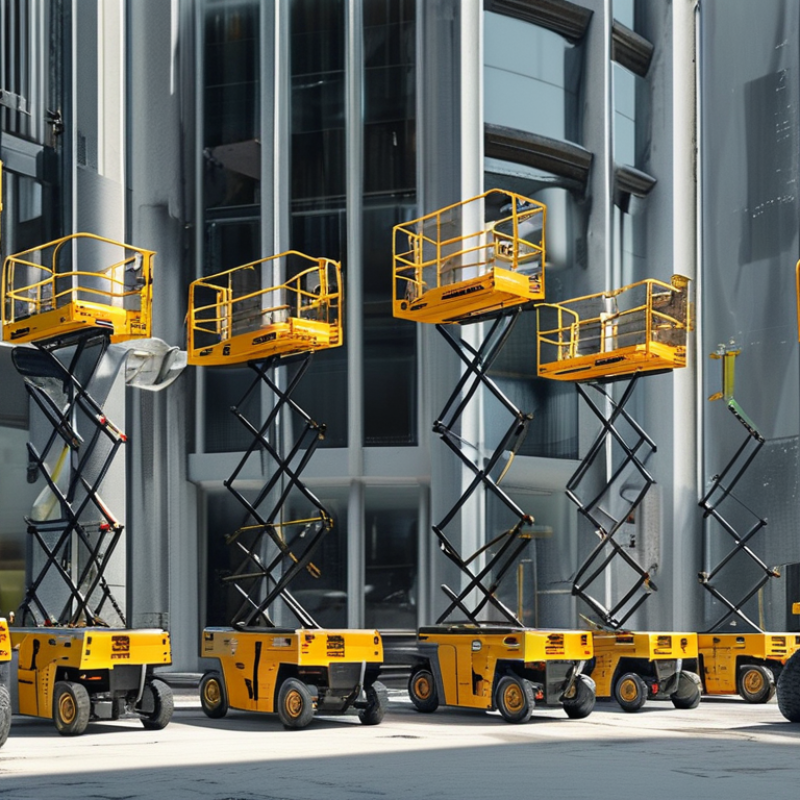
Why Choose Articulating Lift Rental for Your Project Needs?

Benefits of Renting Articulating Lifts for Various Projects

When considering project needs, articulating lifts offer unique advantages. The versatility of these lifts makes them ideal for varied tasks. According to recent data from the International Powered Access Federation, the demand for aerial work platforms, including articulating lifts, has grown significantly. Around 10% of all construction work involves elevated tasks, highlighting the increasing need for reliable solutions.

Renting articulating lifts can be more cost-effective than purchasing. For short-term projects, renting eliminates hefty upfront costs. Industry reports indicate that rental rates can be lower than 25% of the purchase price over a year. This allows businesses to allocate funds to other essential areas without sacrificing safety and efficiency.

Articulating lifts provide enhanced mobility and reach, catering to diverse project requirements. They are designed to maneuver through tight spaces. However, not all operators are sufficiently trained. This contributes to accidents, which the Bureau of Labor Statistics notes increased by 15% over the last five years. Recognizing these challenges is vital for maximizing the benefits of renting.

Cost-Effectiveness of Articulating Lift Rentals Compared to Purchases

Articulating lifts are becoming a popular choice for various construction projects. Their ability to maneuver in tight spaces makes them a versatile option. Moreover, renting these lifts is often more cost-effective than purchasing. According to industry reports, the average purchase cost of an articulating lift ranges from $25,000 to $100,000, depending on specifications. In contrast, renting can cost 10% to 20% of the retail price for short-term projects, significantly lowering overhead expenses.

Renting also avoids maintenance costs. Ownership implies regular upkeep, which can be expensive and time-consuming. A study by the American Rental Association (ARA) indicates that businesses that rent instead of buy can save up to 30% on operational costs. This allocated budget can be better used elsewhere, allowing for flexibility in project expenditure.

When considering a lift for your project, think about the duration of use. If you require a lift for a short period, rental is almost always the better choice. Remember to account for potential rental agreements that provide additional services, such as insurance.

Don’t forget to evaluate the total cost of ownership. Sometimes, lower initial costs can mask hidden expenses. Each project is unique, and thorough planning is crucial for ensuring financial efficiency. Consider both short-term needs and long-term goals when making your decision. **Research various rental companies and examine their terms carefully before committing.**

Cost-Effectiveness of Articulating Lift Rentals Compared to Purchases

Project Type Rental Cost per Week Purchase Price Total Project Duration (Weeks) Total Cost of Rental Cost Savings Compared to Purchase
Commercial Construction $1,200 $50,000 12 $14,400 $35,600
Residential Renovation $800 $30,000 8 $6,400 $23,600
Industrial Maintenance $1,500 $75,000 10 $15,000 $60,000
Event Setup $600 $20,000 3 $1,800 $18,200

Flexibility and Versatility of Articulating Lifts for Different Applications

Articulating lifts are becoming increasingly popular in various industries due to their flexibility and versatility. They can reach heights and navigate tight spaces, making them ideal for construction, maintenance, and even filming. According to industry reports, the articulating lift market is projected to grow by 5.2% annually over the next five years. This growth highlights their importance in project planning and execution.

These lifts can handle diverse applications. They excel in both indoor and outdoor environments, providing operators with the ability to reach platforms, roofs, and ceilings safely. In complex job sites, the articulated arm allows for precise positioning. For instance, construction teams often prefer these lifts when dealing with overhead structures. Yet, despite their benefits, operators must be aware of the potential challenges. Understanding load limits and navigating uneven terrain can be difficult without proper training.

Flexibility comes with responsibility. While adapting to different tasks, it's vital to account for factors like site conditions and lift capabilities. Some users report difficulties in maneuvering lifts in crowded spaces. Regular safety training can mitigate these risks, enhancing reliability. Balancing the versatility of articulating lifts with responsible usage ensures projects are completed efficiently and safely, ultimately leading to successful outcomes.

Safety Features and Compliance in Articulating Lift Rentals

When considering an articulating lift rental, safety features are paramount. These machines are designed with advanced safety technologies. Features like automatic shut-off systems help prevent accidents. Many lifts include platforms with guardrails to ensure the operator’s safety. Regular safety checks are crucial for these lifts before each use. However, the responsibility also lies with the operator to understand how each feature functions.

Compliance with safety regulations is another essential factor. Different regions may have specific laws governing lift usage. Ensuring that your rental equipment meets these legal requirements is critical. Operators should be trained to recognize compliance guidelines. Yet, it’s easy to overlook the importance of proper training. Often, operators assume that experience is sufficient. This assumption can lead to risky situations. Investing time in safety training is vital for minimizing risks on the job site.

Maintenance and Support in Articulating Lift Rental Agreements

Maintenance and support are critical components of articulating lift rental agreements. Regular inspections ensure that equipment operates safely and effectively. According to industry reports, nearly 30% of rental lift accidents are associated with mechanical failures. This highlights the importance of choosing rental suppliers who prioritize maintenance.

When entering a rental agreement, customers should check the maintenance history of the equipment. Reliable suppliers conduct routine checks and repairs. This practice minimizes downtime and ensures compliance with safety standards. In the long run, this can reduce costs associated with unexpected breakdowns and accidents.

Support services also play a significant role. Suppliers should offer training for operators. A well-trained operator improves safety and productivity. However, many projects fail due to inadequate training. In fact, 20% of lift-related accidents in the industry stem from operator error. Assessing the level and quality of training provided is crucial to mitigate this risk.

Back To Top