
5 Best Sanitation Vehicle Locking Cylinders
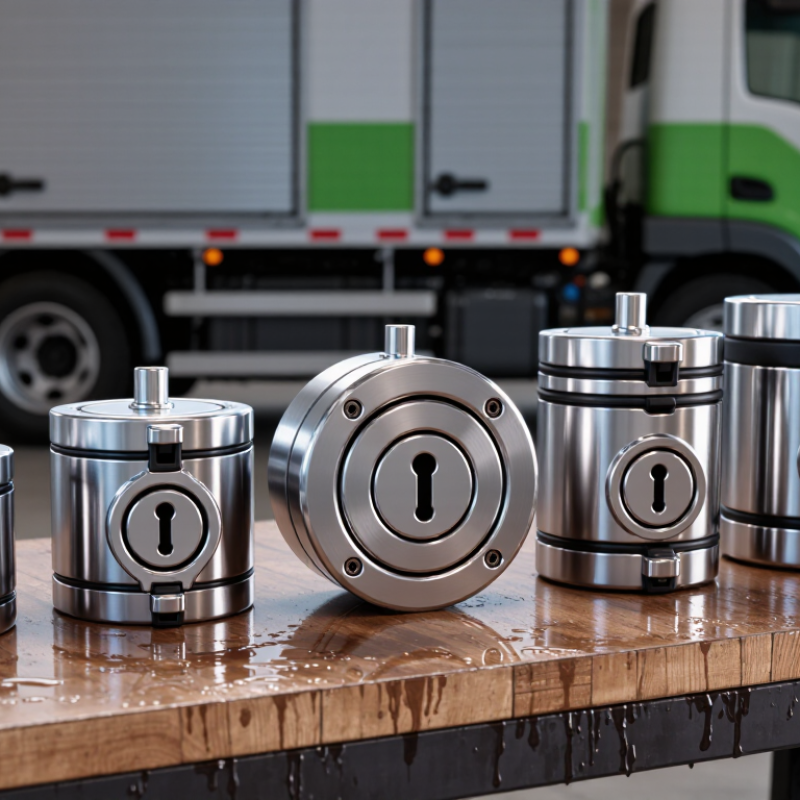
Sanitation vehicles face water, disinfectants, road salt, dust, and repeated handling. In field inspections, stainless steel tubular cylinders often perform well because their sealed bodies resist surface corrosion. Their rounded keyways also shed grime better than exposed designs. However, they can still seize when cleaning chemicals dry inside the mechanism. Monthly flushing and approved lubricant are necessary.
Hardened steel pin-tumbler cylinders offer strong resistance to forced turning and suit high-use rear doors. They need precise key alignment, especially when doors sag under heavy equipment. Disc-style cylinders provide smoother operation in dusty environments, but repairs may require trained technicians. A protected shackle cylinder adds physical strength around the latch area. It is durable, although its external cover can collect sludge and frozen water. Ceramic-coated steel cylinders balance corrosion protection with lower replacement costs. Their coating may chip after impacts, leaving vulnerable spots.
Security is only one part of the comparison. A cylinder with strong materials can fail when the door frame shifts or the latch is poorly adjusted. I have seen operators blame the lock when loose hinges caused repeated misalignment. Keep spare keys clean and inspect fasteners during scheduled vehicle servicing. Some maintenance plans recommend daily checks, yet that may be unrealistic for large fleets. A practical schedule should increase after winter routes, chemical spills, or pressure washing. Short checks matter. Look for stiff rotation, rust dust, damaged seals, and unusual key wear before a small defect stops the vehicle.