
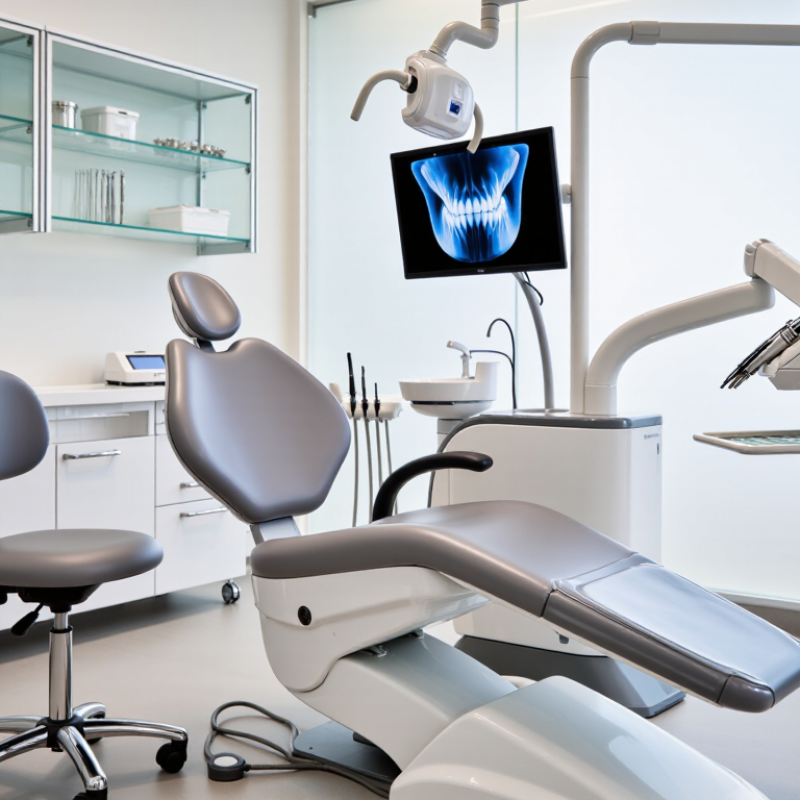
2026 Top Dental Equipment Tools for Global Buyers
Reliable diagnosis begins with accurate, repeatable tools.
Intraoral cameras help patients see cracked fillings, plaque deposits, and gum inflammation. Digital radiography supports evaluation of caries, bone levels, and impacted teeth. An electronic apex locator can improve working-length control during root canal treatment.
However, imaging quality depends on calibration, positioning, and staff training. A sharp screen cannot correct poor technique. Buyers should check sensor durability, data security, service access, and local radiation requirements before purchase.
Treatment equipment must match clinical workload, not showroom appeal.
High-speed handpieces need stable cooling and simple maintenance. Curing lights require tested intensity, because weak output can leave restorations under-cured. Endodontic motors, ultrasonic scalers, and dental units should offer predictable control.
Surgical care needs sterile instrument sets, surgical suction, irrigation systems, and dependable lighting. Validated sterilization cycles are essential after every procedure.
Small omissions still happen, especially during busy shifts. That risk deserves honest review.
Prevention tools support safer, more consistent daily care.
Ultrasonic scalers remove deposits efficiently, while air-polishing systems can improve stain management when used correctly. Fluoride application trays, periodontal probes, disposable barriers, and hand hygiene stations also matter.
Instrument tracking reduces missed reprocessing steps. Global buyers should request operating instructions, maintenance schedules, training materials, and conformity documents. Local regulations may differ.
A lower purchase price can become expensive when parts, calibration, or qualified technicians are unavailable. Perfect equipment selection is unrealistic; careful verification is not.