
2026 Best Carbon Steel Plate Manufacturers Worldwide
Choosing reliable Carbon Steel Plate Manufacturers requires more than comparing prices or browsing polished company websites. Plate performance depends on chemistry, rolling control, heat treatment, surface condition, and traceable testing. A mill may produce excellent structural plate, yet lack the certifications or delivery capacity required for pressure vessels, shipbuilding, bridges, or heavy machinery.
Edwin Basson, Director General of the World Steel Association, has stated, “Steel is fundamental to a sustainable future.” This observation reflects the material’s continuing importance, but it also raises a practical question: which manufacturers can deliver consistent quality with lower environmental impact? The answer depends on evidence, not reputation alone. Mill test certificates, ISO certifications, third-party inspections, and verified production records deserve close attention.
This 2026 guide examines leading Carbon Steel Plate Manufacturers worldwide through practical criteria. These include product range, available grades, plate thickness, rolling technology, export experience, quality control, and customer support. Details matter. A plate’s edge condition, flatness, and ultrasonic test results can affect fabrication costs later. Small deviations become expensive problems.
No ranking is perfect.
Market conditions change. Energy costs, raw material availability, regional standards, and shipping schedules can alter a manufacturer’s position within months. Therefore, this overview should support careful comparison rather than replace technical due diligence. Buyers should confirm current specifications directly with each supplier and request recent documentation before placing an order. Reliable decisions come from measurable performance, transparent communication, and a clear understanding of the project’s actual demands.
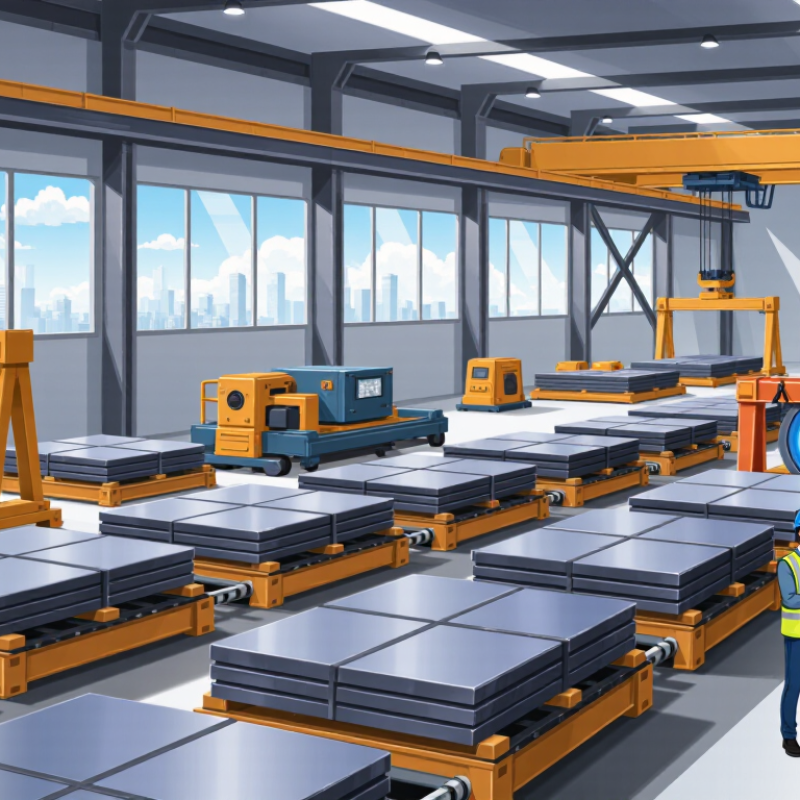
Carbon Steel Plate Basics: 0.05–2.1% Carbon and Key ASTM Grades
Carbon steel plate contains roughly 0.05–2.1% carbon by weight. This range strongly influences hardness, strength, weldability, and forming performance. Low-carbon plate, often below 0.25%, bends and welds easily. Medium-carbon plate offers greater strength but requires tighter fabrication control. High-carbon plate is harder, yet less forgiving during welding.
ASTM grades help buyers compare chemistry and mechanical performance. ASTM A36 is widely used for frames, brackets, and general structures. ASTM A572 grades provide higher strength for bridges, platforms, and heavy equipment. ASTM A516 is designed for pressure-vessel service, where toughness and thickness testing matter. ASTM A283 may suit lighter structural applications. Carbon limits vary by grade and plate thickness, so a grade name alone is not enough.
Experienced procurement teams check the mill test certificate, heat number, yield strength, tensile strength, elongation, and impact results. They also verify ultrasonic testing when internal defects could affect safety. Plate surfaces should be inspected for laminations, deep scale, and edge cracking. I have seen projects delayed because a technically correct grade lacked the required delivery condition. That mistake is easy to repeat. Welding procedure qualification, plate thickness, temperature, and cutting method should be reviewed before purchase, not after fabrication begins.
2026 Best Carbon Steel Plate Manufacturers Worldwide - Carbon Steel Plate Basics: 0.05–2.1% Carbon and Key ASTM Grades
| Carbon Steel Category | Typical Carbon Content | Typical Characteristics | Common Plate Applications | Weldability and Formability |
|---|---|---|---|---|
| Low-carbon steel | 0.05–0.30% | Good ductility, toughness, and general-purpose strength; usually the most fabrication-friendly category. | Structural frames, machinery parts, tanks, platforms, bridges, and general fabrication. | Generally excellent weldability and cold formability, subject to thickness and carbon-equivalent controls. |
| Medium-carbon steel | 0.30–0.60% | Higher strength and hardness potential than low-carbon steel, with reduced ductility. | Wear-resistant components, shafts, rails, heavy machinery, and parts requiring heat treatment. | Welding normally requires tighter heat-input control, preheating, and qualified procedures. |
| High-carbon steel | 0.60–1.00% | High hardness and strength potential, with lower ductility and greater cracking sensitivity. | Cutting tools, springs, high-wear components, and specialized heat-treated products. | Limited weldability; careful preheating, post-weld treatment, and distortion control may be necessary. |
| Very-high-carbon steel | 1.00–2.10% | Very high hardness and wear resistance after appropriate heat treatment; relatively low toughness. | Specialized tooling, dies, wear parts, and high-hardness engineering components. | Poor weldability and limited formability; normally selected for specialized rather than general structural plate. |
Key ASTM Carbon Steel Plate Grades
| ASTM Specification | Grade / Class | Indicative Carbon Limit or Range | Minimum Yield Strength | Minimum Tensile Strength | Typical Uses |
|---|---|---|---|---|---|
| ASTM A36/A36M | Structural carbon steel | Carbon limit commonly up to approximately 0.26%, depending on product thickness and specification requirements | 250 MPa / 36 ksi | 400–550 MPa / 58–80 ksi | General structural fabrication, buildings, bridges, supports, base plates, and machinery frames |
| ASTM A283/A283M | Grade C | Low-carbon plate; maximum carbon varies by grade and thickness, with Grade C commonly specified up to approximately 0.24% | 205 MPa / 30 ksi | 380–515 MPa / 55–75 ksi | Light structural work, tanks, formed components, and general-purpose welded fabrication |
| ASTM A572/A572M | Grade 50 | Low-alloy high-strength plate; carbon limit is commonly up to approximately 0.23%, subject to thickness and product requirements | 345 MPa / 50 ksi | 450 MPa / 65 ksi | Bridges, structural members, construction equipment, towers, and weight-saving designs |
| ASTM A588/A588M | Grade 50 | Weathering structural steel; chemistry includes alloying additions and varies by product form and thickness | 345 MPa / 50 ksi | 485 MPa / 70 ksi | Outdoor structures, bridges, architectural façades, and applications requiring improved atmospheric corrosion resistance |
| ASTM A515/A515M | Grade 60 / 65 / 70 | Carbon-silicon steel plate for elevated-temperature pressure vessels; carbon limits vary by grade and thickness | Approximately 220–260 MPa / 32–38 ksi, depending on grade | 415–485 MPa / 60–70 ksi, depending on grade | Boilers, pressure vessels, storage tanks, and elevated-temperature service |
| ASTM A516/A516M | Grade 60 / 65 / 70 | Carbon-manganese-silicon pressure-vessel plate; carbon limits vary with grade and thickness | 220–260 MPa / 32–38 ksi, depending on grade | 415–550 MPa / 60–80 ksi, depending on grade | Welded pressure vessels, process equipment, boilers, tanks, and low-temperature service applications |
| ASTM A537/A537M | Class 1 / Class 2 | Heat-treated pressure-vessel steel; chemistry and carbon limits vary by class and thickness | Approximately 310–345 MPa / 45–50 ksi | 450–485 MPa / 65–70 ksi | Pressure vessels, liquid-storage tanks, energy equipment, and heavy welded structures |