
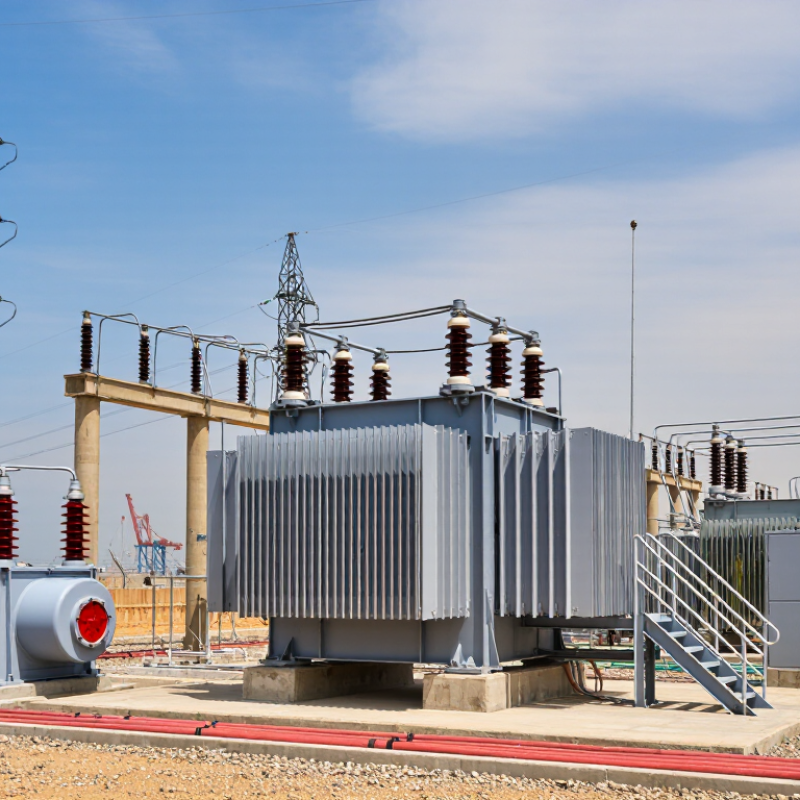
2026 Best Substation Transformer Types for Global Buyers
Choosing a substation transformer starts with the voltage profile, not a catalog image. Transmission networks often require high-voltage transformers with strong insulation coordination. Distribution substations may need medium-voltage units with simpler operating requirements. The selected ratio must match normal voltage, seasonal variation, and future interconnection plans. A small mismatch can create heat, losses, or unstable downstream voltage.
Capacity should reflect measured demand, motor starting, renewable output, and planned load growth. Engineers commonly compare peak load with a practical reserve margin. Oversizing looks safe, but it can increase cost, losses, and low-load inefficiency. Undersizing is worse. It may force overheating during a hot afternoon.
Cooling method matters here. Natural cooling can suit moderate loads, while forced-air or oil-assisted systems may support heavier duty cycles.
Grid conditions change the decision. Frequent faults require stronger short-circuit withstand capability and careful protection coordination. Coastal sites need better corrosion control. Dusty or high-altitude locations can reduce cooling performance and insulation strength.
On-site surveys remain essential. Soil resistance, ambient temperature, transport access, and maintenance skills should enter the specification. A spreadsheet cannot reveal every problem. Engineers sometimes rely too heavily on standard assumptions. That deserves review.
Buyers should request verified test data, clear loss guarantees, noise limits, and documented compliance with applicable IEC or IEEE requirements. Reliable selection comes from matching technical evidence with actual grid behavior.